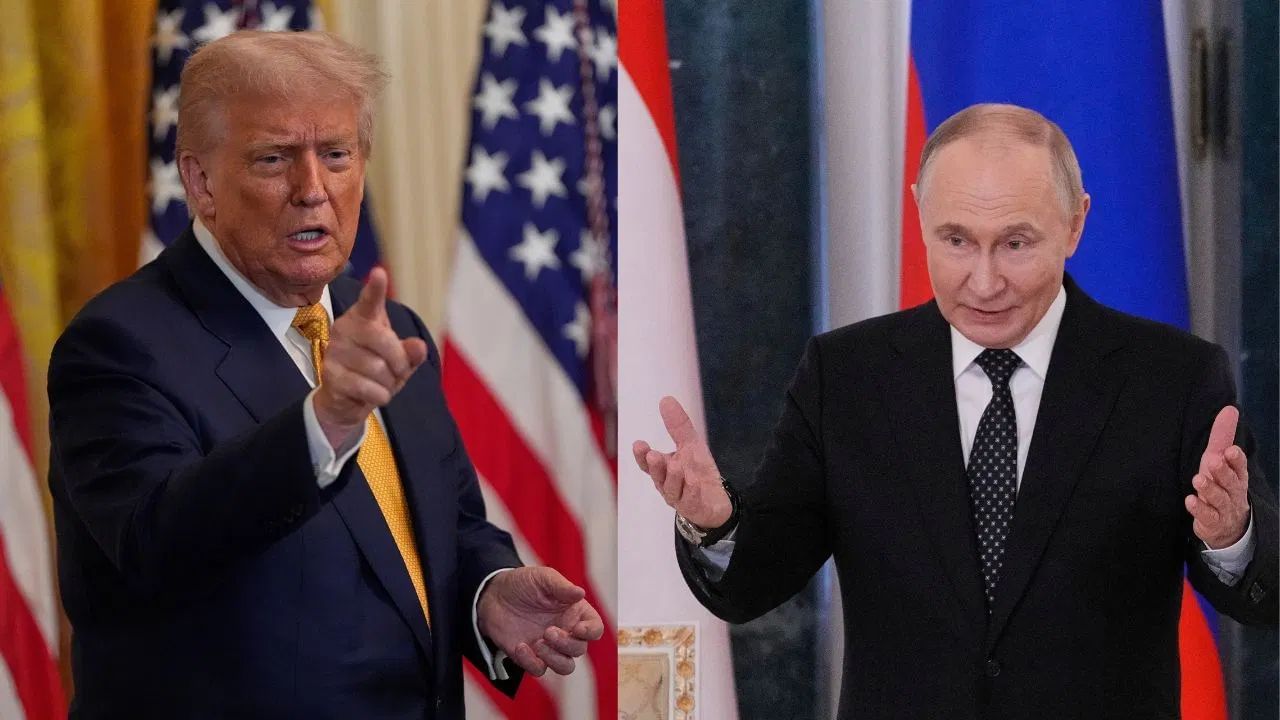

The city of Anchorage, Alaska, will soon be the site of a critical meeting between two global power brokers: Donald Trump and Vladimir Putin. This highly anticipated event, occurring six years after their previous encounter, could be a turning point in the ongoing Russia-Ukraine conflict.
The central issue is whether these leaders can find common ground. The success of the talks rests on whether they can agree on their terms. Trump is perceived as a master negotiator, however, Putin’s experience, political knowledge, and diplomatic tactics position him as a formidable player. Therefore, Trump’s chances of getting Putin to accept his conditions are uncertain. Analyzing recent events can reveal potential advantages for each leader.
Trump’s past deals are characterized by failures and disputes. North Korea is an example. Trump indicated his willingness to hold talks with Kim Jong Un to achieve a nuclear-free North Korea. Kim Jong Un’s sister made it clear that the U.S. must acknowledge North Korea’s nuclear weapons status and warned that talks would not bring about disarmament. On the matter of Iran, during his first term, Trump withdrew from the Obama-era nuclear agreement but did not present a new, lasting deal. In his second term, Trump gave Iran a deadline to meet the nuclear deal’s conditions, but both Iran and Israel remained firm, leading to a 12-day conflict. Iran maintains its stance to this day.
Trump’s attempts with Brazil also failed. He aimed to get Brazil on board, but failed. He placed a heavy tariff of up to 50% on Brazil, ostensibly to shield former President Bolsonaro from legal actions. Despite this, Brazilian President Lula da Silva did not yield, and relations between the two countries deteriorated. These events suggest that Trump’s deal-making efforts often spark initial buzz, but they often end in deadlock or remain incomplete.
Putin’s approach to negotiations differs considerably from Trump’s. Putin is known to act more than he speaks. Experts believe he establishes agreements in a highly controlled setting. The relationship with North Korean leader Kim Jong Un serves as a recent example.
Although Kim Jong Un is seen as an isolated and untrustworthy leader, Putin has, without much fanfare, developed a strong alliance with Kim. North Korea has also sent its soldiers to support Russia in the war in Ukraine. Thus, Trump’s deals often dominate headlines and create immediate attention, while Putin’s are typically sealed behind the scenes and have enduring influence over the years.