
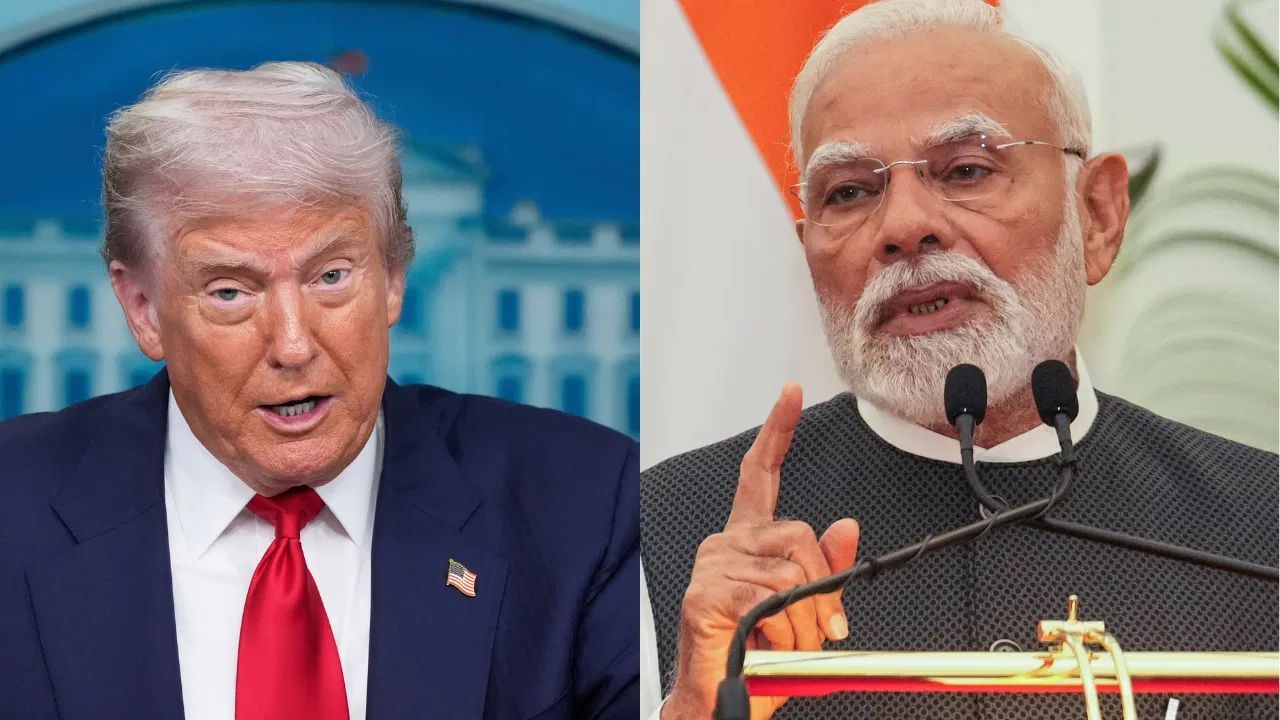

Donald Trump’s recent comments regarding India have revealed a complex interplay of geopolitical and economic factors. Initially, Trump suggested that the U.S. had ceded influence over India and Russia to China. Shortly thereafter, he expressed continued friendship with Indian Prime Minister Narendra Modi, while also indicating disapproval of some of his current actions. The significant tariffs the U.S. has levied on India are a central point of contention.
India’s refusal to cease oil purchases from Russia is a key reason behind the U.S.’s dissatisfaction. The U.S. implemented a 50% tariff on India on August 27th, including a 25% penalty related to the Russian oil imports. India, however, has not changed its position, arguing that this decision aligns with its national interests and contributes to global oil price stability. Finance Minister Nirmala Sitharaman and Foreign Minister S. Jaishankar have both reiterated India’s stance.
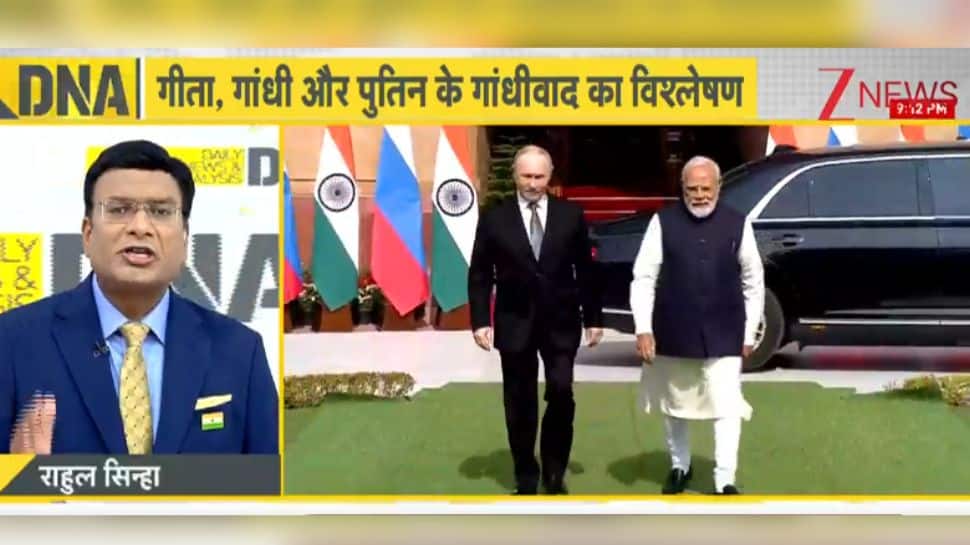
India’s increasing global activity is another relevant factor. Prime Minister Modi’s presence at the Shanghai Cooperation Organisation (SCO) summit in Tianjin, where he met with Chinese President Xi Jinping and Russian President Vladimir Putin, underscored India’s proactive involvement in international diplomacy. This demonstrates India’s independent foreign policy.
The stalled bilateral trade agreement (BTA) between India and the U.S. also contributes to the strained relationship. The U.S. has been advocating for greater access for American agricultural and dairy products in India’s market. India has not agreed to reduce tariffs on these products, prioritizing the protection of its domestic farmers.
India’s involvement in the upcoming BRICS summit, which will address strategies to mitigate the effects of U.S. tariffs, is also significant. The U.S. has imposed similar tariffs on Brazil, the current BRICS chair. The summit will be attended by countries including India, China, Russia, South Africa, Indonesia, Iran, and the United Arab Emirates.
The differing opinions within the U.S. regarding Trump’s approach further complicate the situation. Trump’s trade advisor, Peter Navarro, criticized India’s position on the Russia-Ukraine conflict and accused India of supporting the Kremlin. These statements were met with disapproval among the Hindu community in the U.S. Former National Security Advisor Jake Sullivan has also voiced concerns about the strategic implications of the tariffs. India has made it clear that its foreign policy will be independent of external influence. This shift suggests India’s intent to act as a balancing force in global affairs.