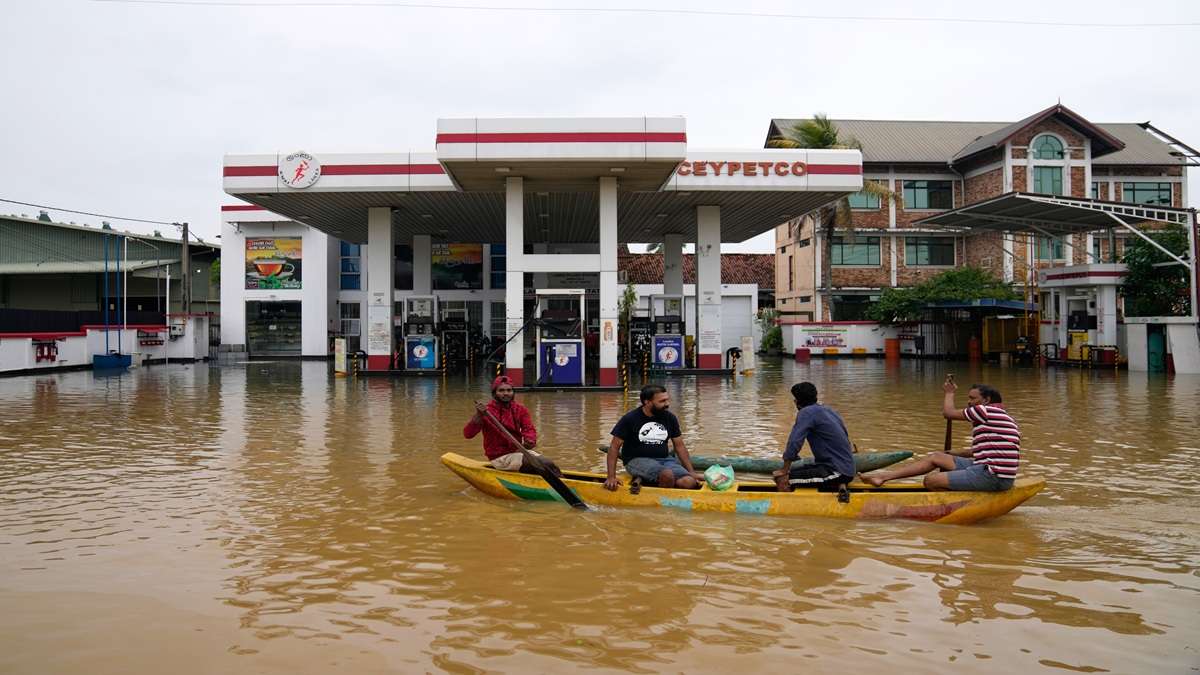

Cyclone Ditwah has left a trail of destruction across Sri Lanka, claiming 159 lives and leaving 203 people missing. The severe weather event triggered massive floods and deadly landslides, displacing hundreds of thousands and impacting over 774,000 people in 25 districts. In response to the escalating crisis, new flood alerts have been issued for eastern Colombo as the Kelani River’s water levels have become critical. The river’s surge, fueled by continuous rainfall, poses a significant threat to low-lying areas. Emergency services are working to evacuate residents from at-risk zones, setting up relief centers in schools and community buildings. However, a concerning trend of public reluctance to evacuate is hindering rescue operations. Over 122,000 displaced individuals are currently taking refuge in 919 relief centers across the country. The government has mobilized resources and authorized emergency spending to address the immediate needs of the affected population. International aid is also being mobilized, with Japan sending a JICA assessment mission to coordinate relief efforts, following similar contributions from India, the US, and the Maldives. The cyclone itself has moved towards Tamil Nadu, but Sri Lanka anticipates only light showers. The focus remains on ongoing search and rescue operations in severely affected districts like Badulla and Kandy, where landslides have caused immense casualties. Widespread power disruptions and the destruction of thousands of homes add to the profound impact of the cyclone.