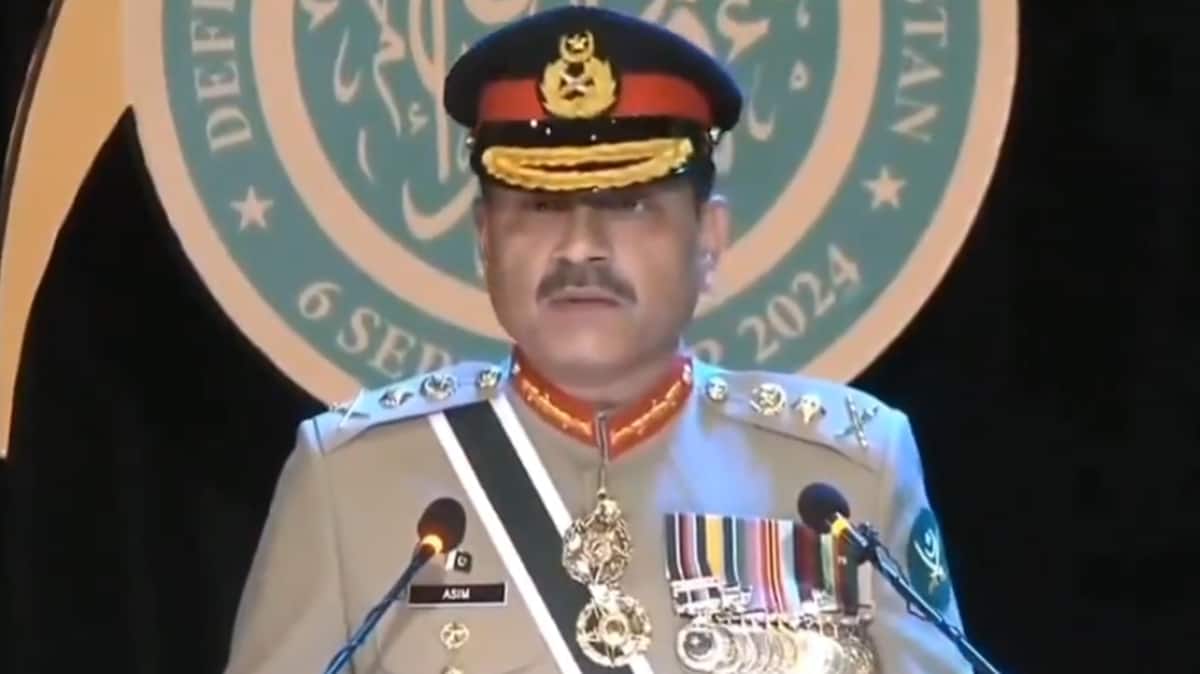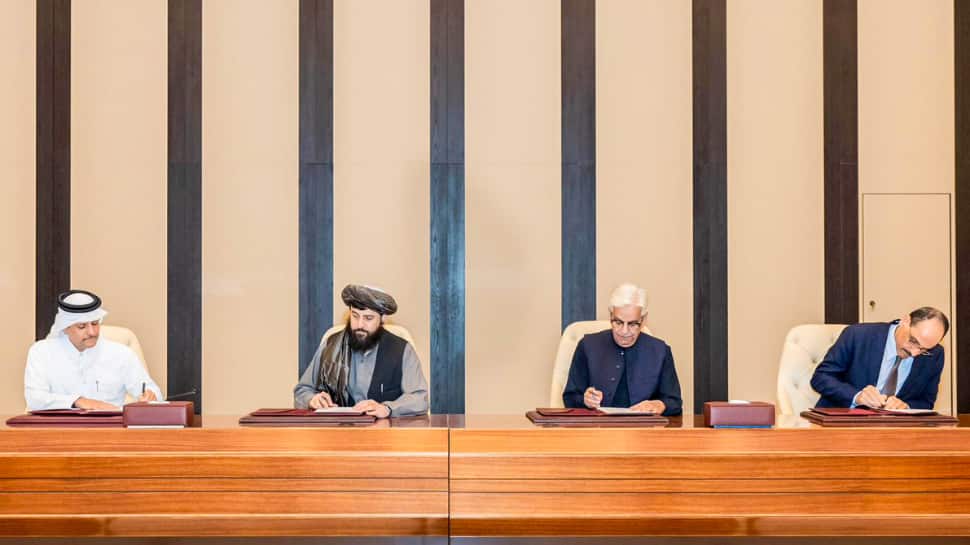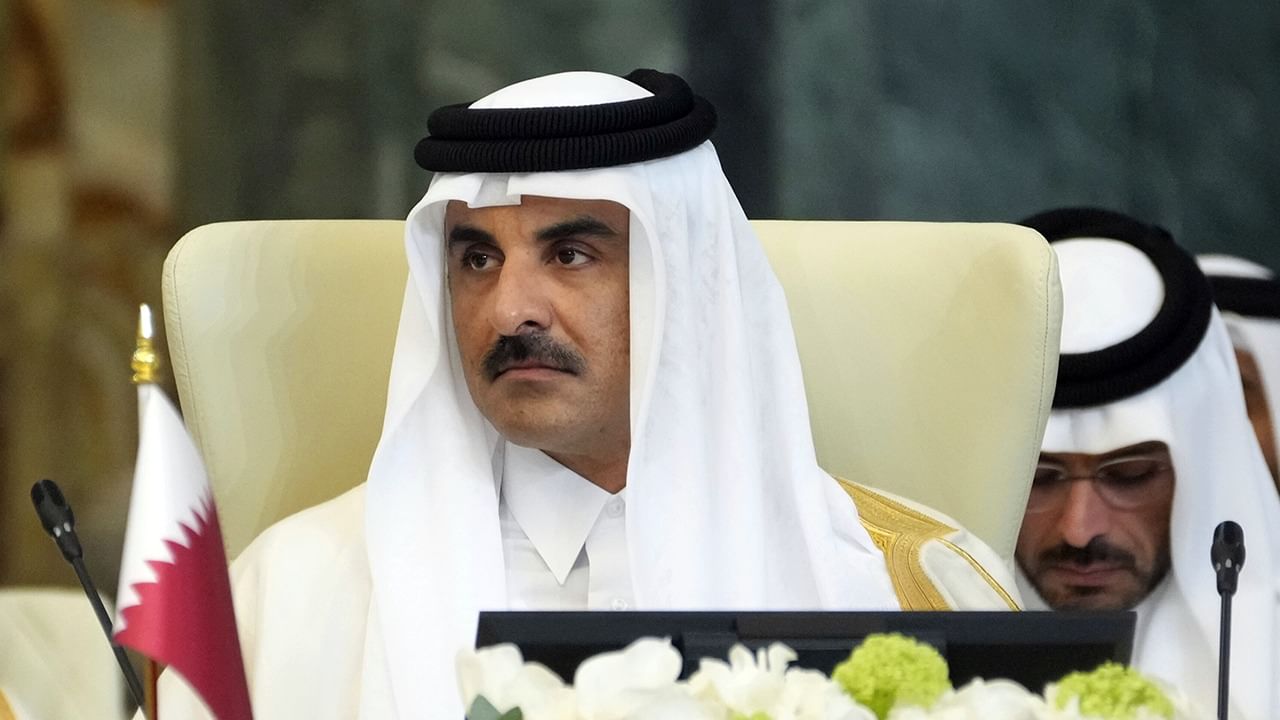

The capital of Qatar, Doha, hosted a joint emergency summit bringing together the Arab League and the Organisation of Islamic Cooperation (OIC). The gathering saw leaders from 55 Muslim nations uniting to strongly condemn Israel’s recent actions.
Key participants included Pakistan, Turkey, Azerbaijan, and Saudi Arabia, all of whom accused Israel of aggression and expressed solidarity with Qatar. However, the muted response from two of Qatar’s crucial neighbors, the UAE and Bahrain, raised eyebrows.
Last week, Israel conducted around 10 airstrikes in Doha, targeting senior Hamas leaders who were reportedly discussing a Gaza ceasefire. The attacks resulted in at least six deaths, provoking outrage within Arab and Muslim nations. The summit leaders viewed this as an unprecedented act of aggression, considering the targeting of Qatar as a challenge to the entire Muslim world.
The 55 Muslim nations in attendance issued a warning to Israel, stating that such attacks would not only endanger regional peace but also potentially escalate the situation. Countries such as Pakistan, Turkey, Saudi Arabia, and Malaysia publicly supported Qatar. However, the UAE and Bahrain only sent minor representatives instead of their heads of state. This lack of strong support from neighboring countries is perceived as a significant setback for Qatar.
This situation is rooted in the Abraham Accords, which have led to a normalization of relations between Israel and both nations. Consequently, they appear to be avoiding an open confrontation with Israel. Qatar has long aimed to portray itself as a prominent voice for the Muslim world in regional politics. Yet, the tepid backing from its neighbors could tarnish its image.