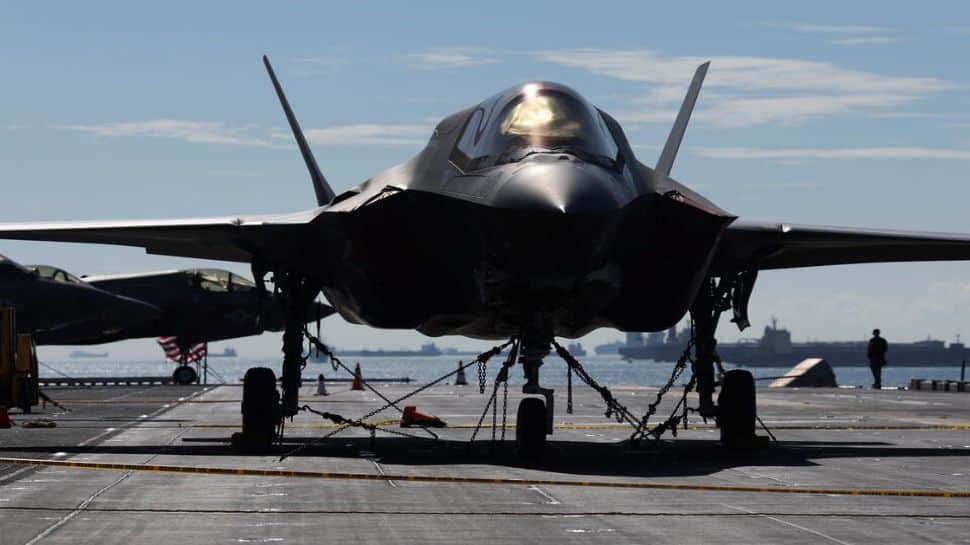

The highly advanced F-35 Lightning II stealth fighter is at the center of complex international diplomacy and U.S. strategic policy. Following President Trump’s indication of a potential sale to Saudi Arabia, the global interest in this cutting-edge aircraft is palpable. The F-35 is distinguished by its unparalleled stealth capabilities and proprietary technologies, making its availability a privilege reserved for nations that meet rigorous U.S. security and political standards.
Navigating the acquisition of the F-35 involves adhering to a stringent code of conduct and security protocols. Even steadfast allies like Israel are subject to specific restrictions, underscoring the U.S. government’s tight control over its most sophisticated aerial asset. The F-35 represents the zenith of American air combat technology.
A non-negotiable condition for F-35 sales is the absence of Russian S-400 air defense systems. This policy has significant geopolitical implications, as evidenced by Turkey’s expulsion from the F-35 program after it proceeded with acquiring the S-400, despite U.S. objections and warnings. The S-400 system, once intended for operational use, has reportedly been kept in storage.
Furthermore, the U.S. harbors deep concerns about potential Chinese technological infiltration, particularly through 5G networks involving companies like Huawei. This apprehension has influenced F-35 sale decisions, contributing to hesitations regarding sales to nations where such infrastructure is prevalent, including past considerations for the UAE.
The foundational principle of maintaining Israel’s qualitative military edge in the Middle East remains a paramount factor. This U.S. commitment dictates that Israel receives preferential access to advanced weaponry, including the F-35, thereby shaping the regional military balance and limiting access for other Middle Eastern countries.
Security concerns related to espionage also factor into F-35 export decisions. Countries like Taiwan, facing significant intelligence threats, are generally excluded from acquiring the F-35 to prevent the compromise of its sensitive technologies.
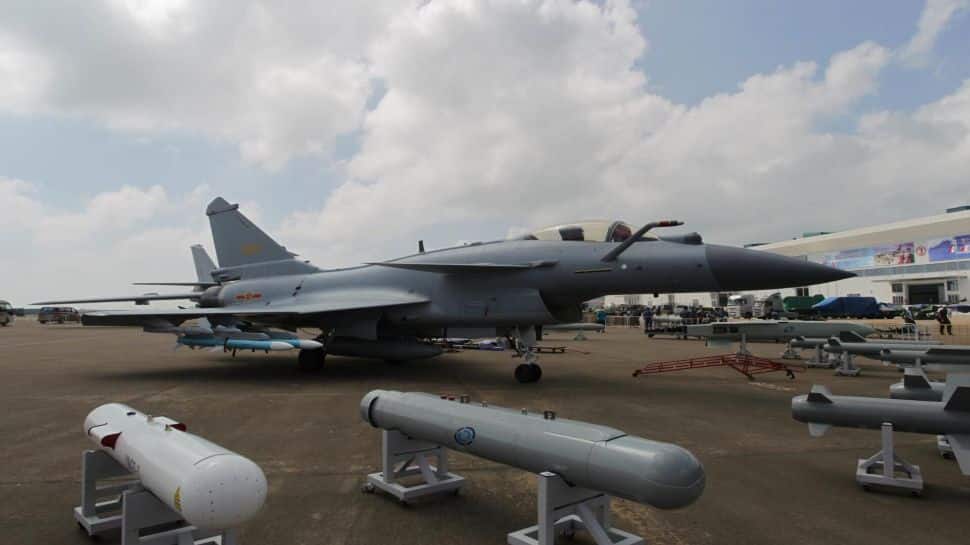
The proposed sale of 48 F-35 jets to Saudi Arabia has encountered internal resistance from the Pentagon. Defense Intelligence Agency assessments highlight the significant risk of China gaining access to crucial F-35 technologies through Saudi channels, potentially bolstering China’s own stealth fighter capabilities.
Lockheed Martin’s F-35 Lightning II, operational since 2015, is a monumental achievement in aerospace engineering and the most expensive weapons program to date. However, the aircraft’s substantial acquisition and operational costs, coupled with limitations on technology transfer, present practical challenges for potential buyers like India, which is contemplating the F-35’s suitability for its defense needs.