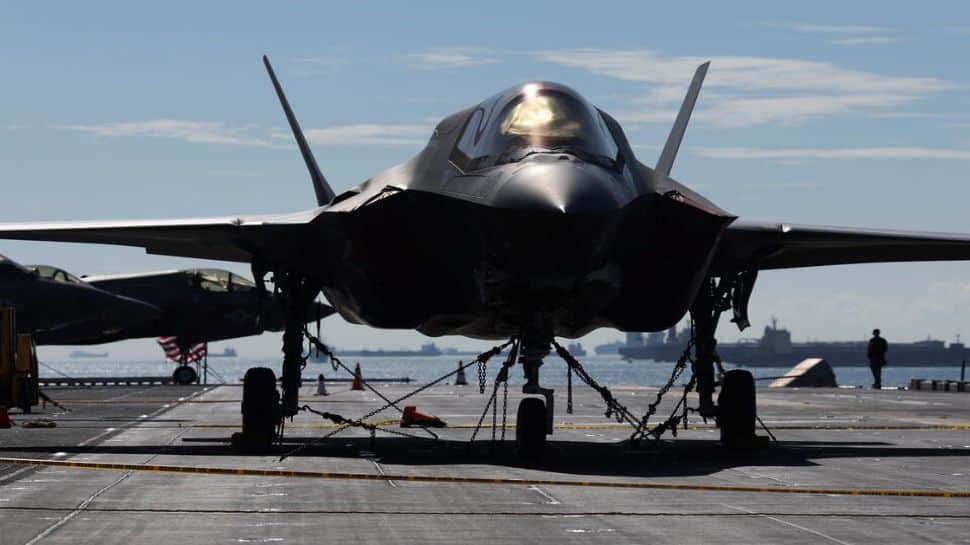

The F-35 Lightning II, Lockheed Martin’s cutting-edge stealth fighter, has once again become a focal point of international defense strategy. Recent attention surged after President Trump indicated a potential sale of this highly advanced aircraft to Saudi Arabia. The F-35 is packed with revolutionary stealth capabilities and closely guarded technological innovations, which the United States is extremely selective about sharing. It is only offered to nations that pass rigorous security and political vetting, making it a highly exclusive asset sought by many but obtained by few.
Access to the F-35 is governed by a strict set of rules and security considerations. Even America’s staunchest allies, such as Israel, operate under defined limitations concerning the aircraft. The F-35 is considered the most sophisticated fighter jet in the US arsenal, featuring unparalleled stealth properties and layered security features that are vital to its strategic advantage.
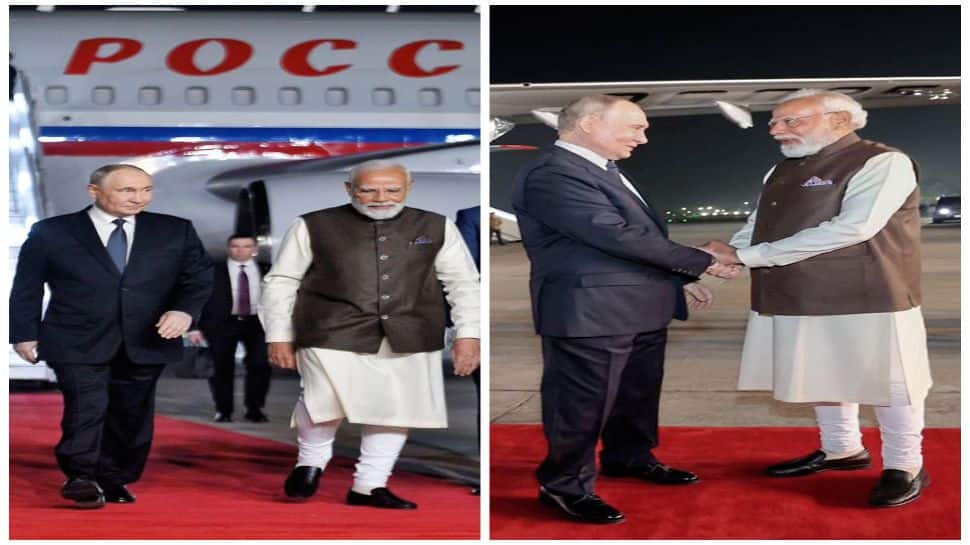
A critical determinant for potential F-35 buyers is their relationship with Russian military technology. The US has a non-negotiable policy of withholding the F-35 from any country that possesses the Russian S-400 air defense system. Turkey’s experience serves as a stark example; despite being a NATO ally, its decision to acquire the S-400 resulted in its removal from the F-35 program and the loss of its significant investment in the aircraft.
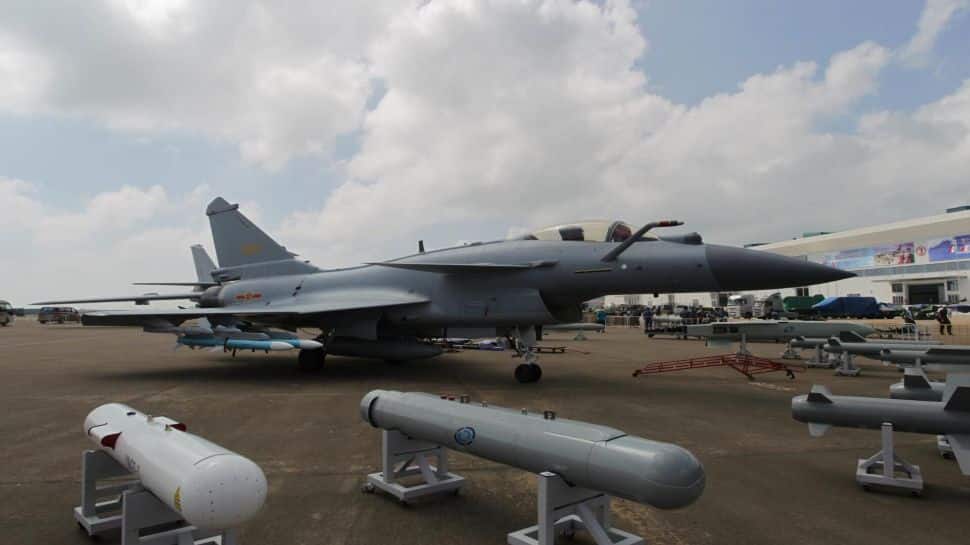
Concerns regarding Chinese technological influence also play a role in F-35 export decisions. The US has strong reservations about potential data security risks and espionage associated with Chinese technology, exemplified by its ban on Huawei in its 5G infrastructure. This caution extends to F-35 sales, prompting reviews of security implications in countries with significant Chinese tech presence, affecting deals with nations like the UK and the UAE.
In the Middle East, the US adheres to a firm commitment to maintain Israel’s ‘qualitative military edge.’ This principle restricts the sale of advanced weaponry, including the F-35, to other regional states like Qatar, the UAE, and Egypt, while Israel remains a key recipient. However, Saudi Arabia’s expressed interest in the F-35 could signal a future recalibration of regional air dominance.
Nations facing significant espionage threats are also excluded from F-35 acquisition. Taiwan, for instance, is deemed too vulnerable to intelligence leaks from China, leading to its request for the fighter jet remaining unfulfilled due to security risks.
Despite President Trump’s support for a potential F-35 sale to Saudi Arabia, the Pentagon has raised alarms about the risks of exposing sensitive technologies. Defense intelligence agencies warn that Saudi possession could create pathways for China to gain insights into the F-35’s stealth features and operational systems, potentially enhancing their own fighter jet programs.
The F-35 Lightning II, produced by Lockheed Martin, is the culmination of a massive investment, designed to replace older combat aircraft. Its operational costs are exceptionally high, making it one of the most expensive military assets to fly and maintain, underscoring its exclusive status in global air forces.
India’s potential acquisition of the F-35 is complicated by several factors. While the US has considered offering it through Foreign Military Sales, the jet’s prohibitive cost, demanding maintenance, and limited scope for technology transfer present practical hurdles. India faces the strategic decision of whether the prestige of the F-35 outweighs its significant operational and financial implications.