
Curious about countries without mountains? Explore the unique topography of nations characterized by their extreme flatness. These low-elevation lands offer a different perspective on global geography, presenting both environmental vulnerabilities and unique advantages.
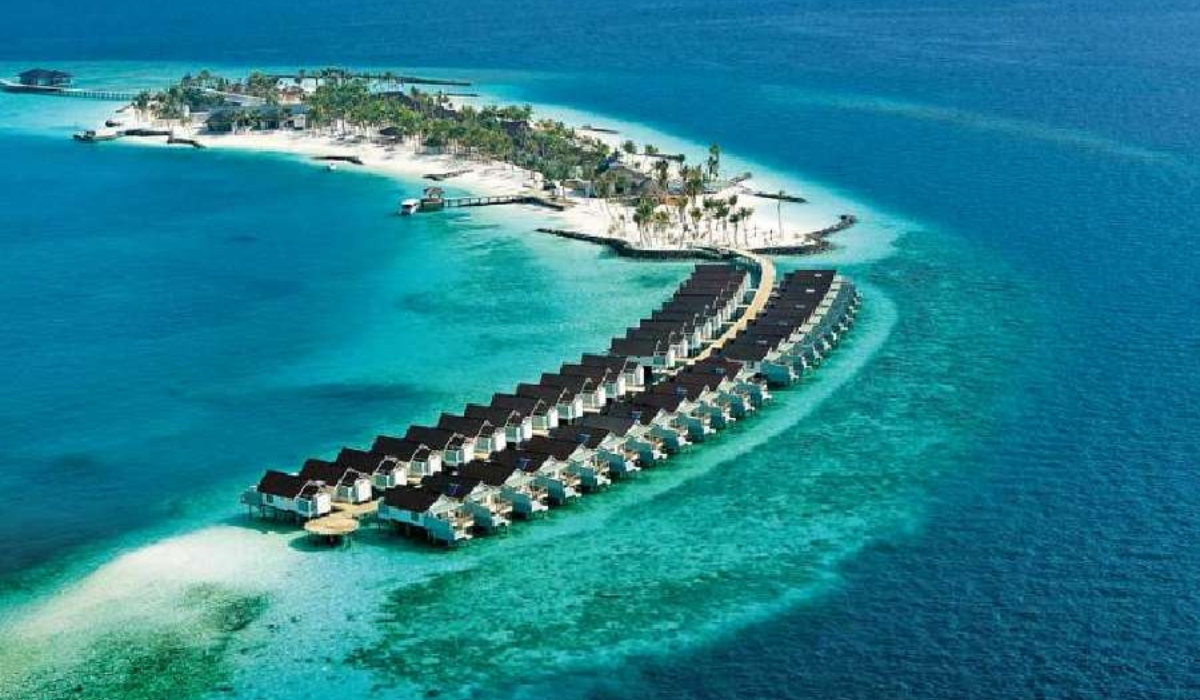
Consider Vatican City, the smallest sovereign state, where elevations range from a mere 19 to 75 meters, leaving no room for mountains. The Maldives, renowned for its stunning beauty, is also recognized as the world’s flattest nation. Its islands hover just above the water, with an average elevation of only 1.5 meters, making it exceptionally vulnerable to rising sea levels.
Similarly, the Pacific nation of Kiribati, comprised of low coral atolls, is deeply threatened by global warming and encroaching seas. Denmark, though featuring gentle undulations, officially has no mountains; its highest natural point is considered a hill. Other low-lying countries include Estonia, Latvia, Lithuania, and The Gambia, all characterized by vast plains.
While these flat countries contend with significant environmental risks, such as flooding and coastal erosion, their topography simplifies many aspects of life. Easier transportation networks, more accessible land for farming, and straightforward infrastructure development are notable benefits stemming from their level terrain.