

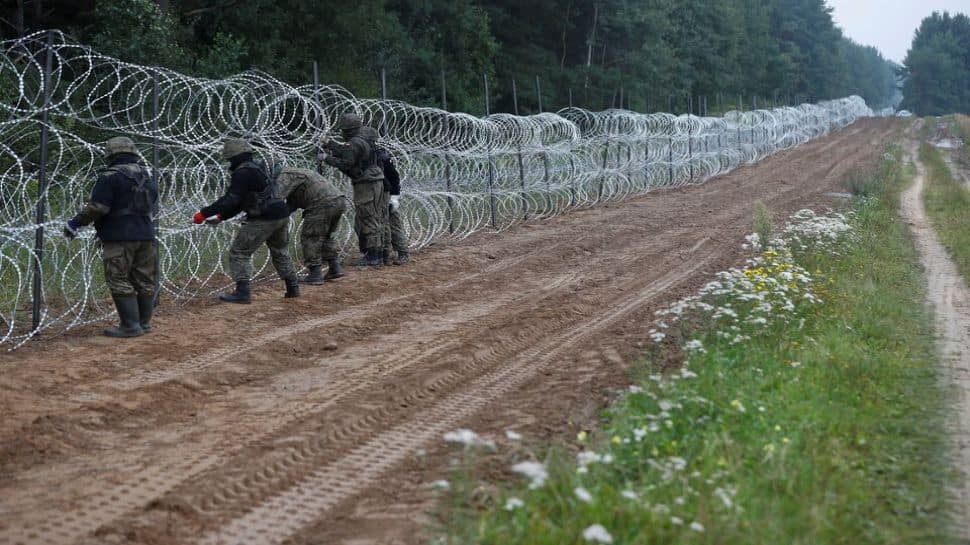

As international security dynamics shift, European nations are looking to age-old methods to bolster their defenses, particularly along their eastern frontiers. Finland and Poland are spearheading the adoption of the ‘peatland defense system,’ a strategy that transforms natural wetlands into formidable military barriers, inspired by recent tactical successes.
This approach involves saturating land to create treacherous marshy conditions, making it nearly impossible for infantry, armored vehicles, and artillery to advance. Finland is meticulously mapping and re-flooding drained zones along its 1,500-kilometer border with Russia. Simultaneously, Poland is reinforcing its defenses against Russia and Belarus by prioritizing the restoration of marshland ecosystems along its eastern edge.
The strategic benefits of such terrain are not new. Throughout history, marshlands have served as natural fortresses. During the pivotal Operation Barbarossa in World War II, the swamps of Belarus and Northwestern Russia severely disrupted German military operations, bogging down tanks and collapsing supply lines.
These contemporary peatland revival efforts are also designed to address climate change. Countries are investing in projects that recreate these vital habitats, which are crucial for capturing atmospheric carbon, regulating water cycles, and enhancing biodiversity. This innovative dual-use strategy of border fortification and environmental stewardship is redefining national security for the 21st century.