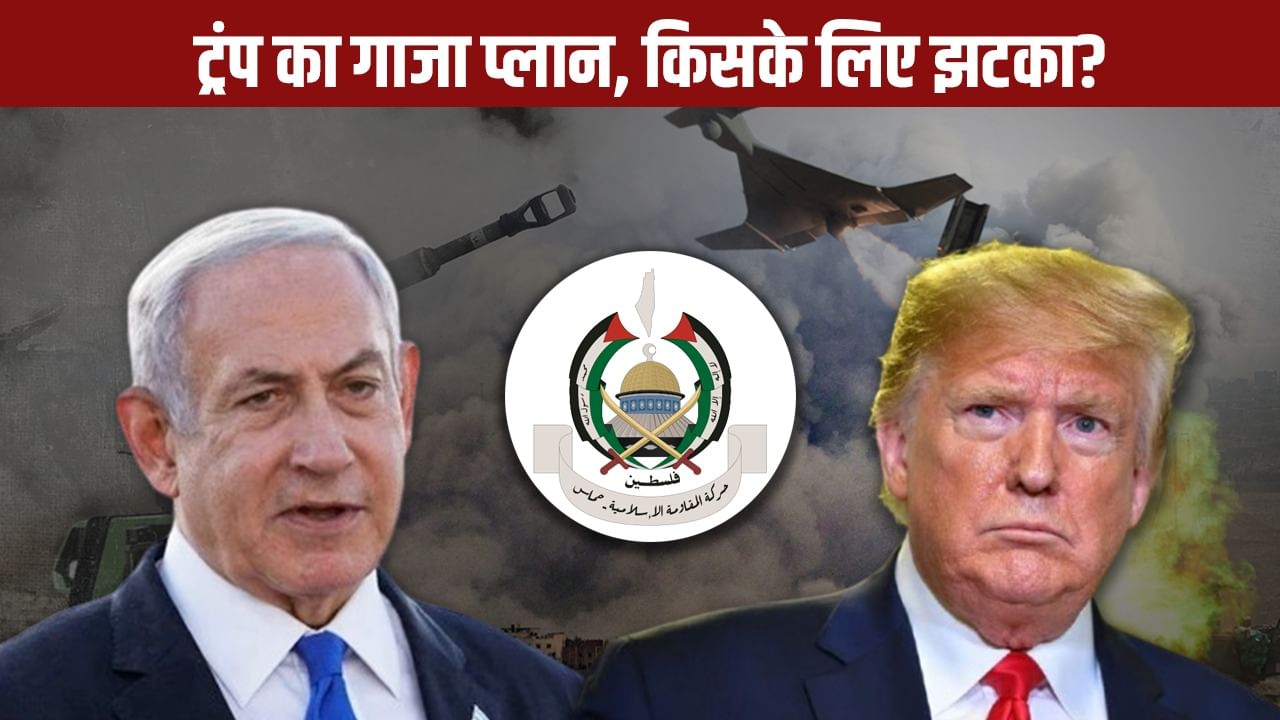

On September 29, 2025, President Donald Trump proposed a 20-point peace plan for Gaza, aiming to bring an end to the ongoing conflict between Israel and Hamas. The plan, agreed upon by Israeli Prime Minister Benjamin Netanyahu, was revealed during Netanyahu’s visit to the United States. The two leaders jointly presented the details of the plan to the public. Trump made it clear that if Hamas rejects the proposal, Israel retains the right to eliminate the group, and the US will offer its support. A central question remains: will Hamas accept this plan, as its rejection could hinder the chances of establishing a lasting peace in Gaza? The key features of the plan involve an immediate ceasefire, the release of all hostages held by Hamas, and the creation of an international peace board, chaired by Trump, with former British Prime Minister Tony Blair as a key member. Additional components include the release of prisoners by Israel, the reconstruction and development of Gaza, the establishment of an international security force, strengthened security along the borders, guarantees of human rights, and the commencement of peace talks between Israel and Palestine. Netanyahu has made it clear that Israel will not allow Hamas to continue governing Gaza. He envisions a peaceful administration in Gaza, the removal of Hamas’s weaponry, and a phased withdrawal of Israeli forces. Hamas has not yet officially responded to the proposal, stating they have not received the formal plan and will discuss it with the Palestinian government. Some reports suggest a positive outlook from Hamas, while a senior official has indicated that the terms favor Israel and are not acceptable. The Palestinian government has welcomed the plan, describing it as a genuine effort and stating their intent to hold new elections, reform the school curriculum, and establish a new security force. For Israel, Trump’s plan presents an opportunity to justify military operations in Gaza and weaken Hamas. For the Palestinian government, it offers a chance to govern Gaza. However, for Hamas, the plan poses a significant challenge, as it excludes them from governance and requires disarmament. In essence, the Trump peace plan signifies a setback for Hamas while creating possibilities for Israel and the Palestinian government.