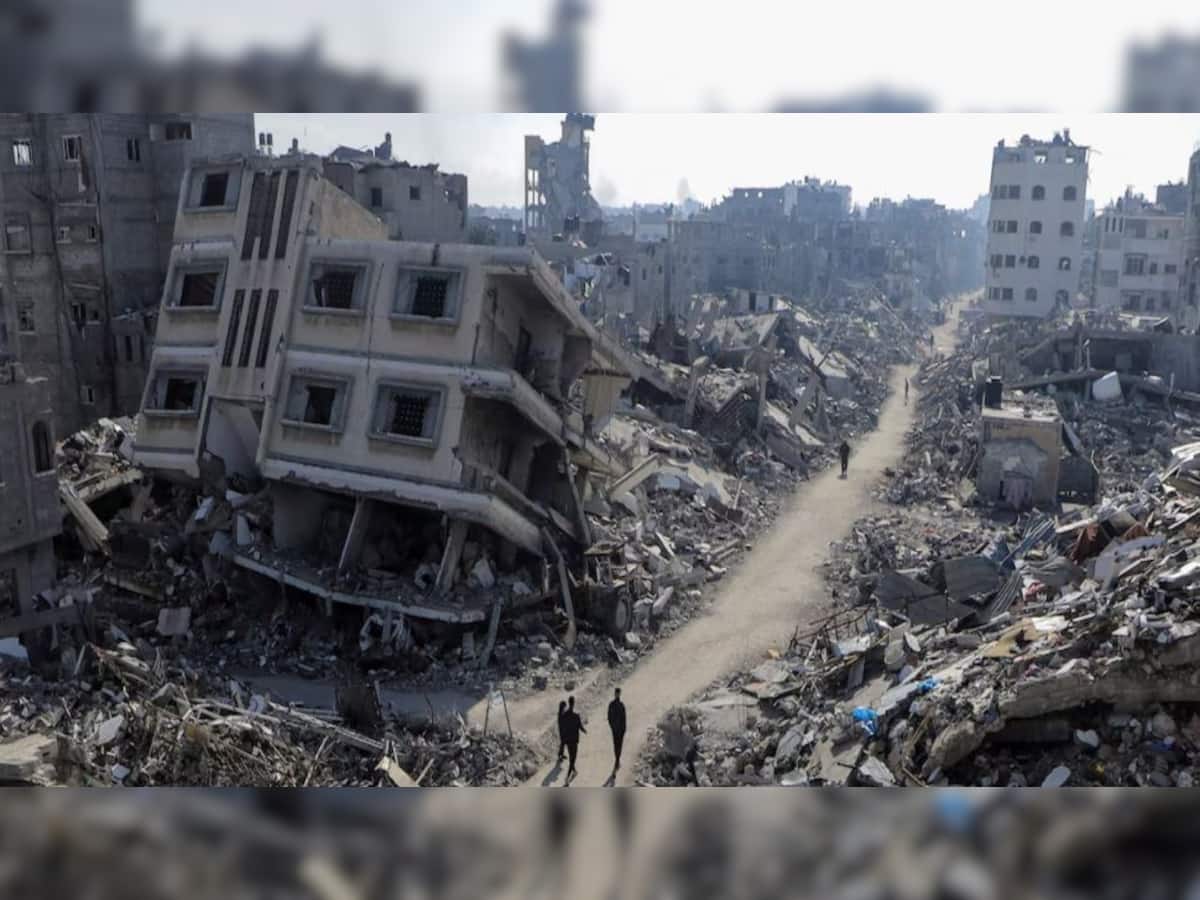

The devastating conflict in Gaza, now spanning two years, has acted as a powerful catalyst, fundamentally reshaping the Middle East’s intricate web of power and alliances. Its impact extends far beyond the besieged strip, profoundly affecting Lebanon, Syria, Iran, and Yemen, and altering global perceptions and interactions with the region.
Experts emphasize the unprecedented nature of these changes, noting how the past two years have redefined regional dynamics and international involvement. The conflict’s genesis lies in the Hamas attack on Israel on October 7, 2023, the deadliest in Israeli history, which resulted in significant loss of life and a large number of hostages taken.
This brutal assault served as a stark wake-up call, exposing vulnerabilities in Israel’s perceived security. Israel’s subsequent large-scale military response in Gaza has resulted in widespread destruction and a staggering number of Palestinian casualties, figures corroborated by international organizations. The human cost is immense, with long-term consequences for future generations.
The October 7th events unleashed a cascading effect, drawing in various Iran-aligned entities. Hezbollah in Lebanon and the Houthi movement in Yemen, alongside Hamas, form part of Iran’s extensive ‘Axis of Resistance.’ This escalation compelled Israel to adopt a more direct and aggressive strategy, moving from defensive measures to proactive targeting of its adversaries’ networks.
Israel’s military campaign targeted key nodes of this network, including Hezbollah in Lebanon, leading to the neutralization of leadership and vital infrastructure. Simultaneously, Syria underwent a swift political upheaval with the collapse of the Assad regime, a situation partly attributed to the diminished support from Iran and Hezbollah. Israel also conducted strikes against Syrian military sites to mitigate future threats.
The long-standing covert conflict between Israel and Iran escalated into open confrontation in 2024. Key moments included direct aerial engagements and, in June 2025, an Israeli strike on Iran’s nuclear program, which led to a brief but intense war, involving the US and ultimately brokered into a ceasefire via Qatari diplomacy.
These events have significantly weakened Iran’s network of proxy forces, impacting Hamas and Hezbollah’s capabilities. The fall of the Syrian government has also diminished Russia’s regional sway. China’s previous role as a mediator has receded as US engagement has increased. In contrast, Turkey has emerged as a significant player, fostering closer ties with the new Syrian government and influencing regional outcomes.
Diplomatic initiatives led by Egypt, Qatar, and Turkey have been crucial in achieving ceasefires and facilitating hostage releases in Gaza. International pressure and the involvement of global powers were also critical factors. Israel, despite its military capabilities, now faces considerable diplomatic isolation.
While a fragile ceasefire is in place, critical issues concerning Palestinian self-governance, security, and international recognition remain contentious. The broader international community continues to classify Palestinian territories as occupied. Nevertheless, the dramatic shifts present a window of opportunity for a renewed push towards regional stability and a departure from decades of persistent conflict.