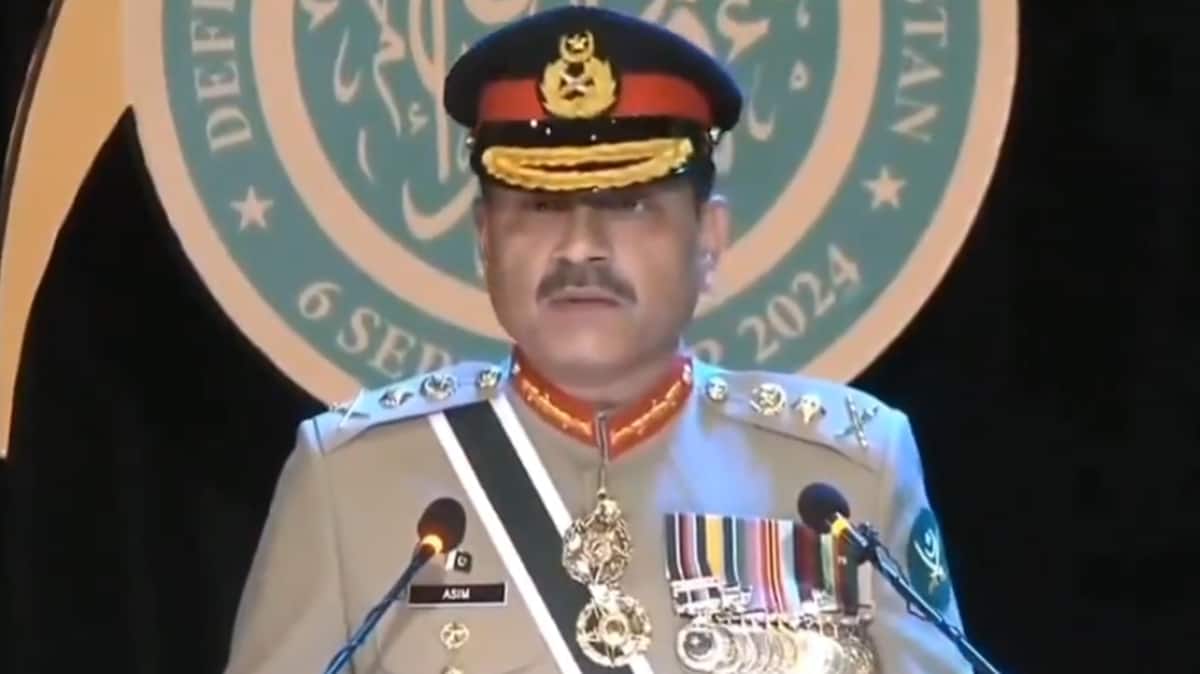
Pakistan is actively pursuing a significant shift in its foreign policy, aiming to break free from a period of diplomatic isolation that followed the downfall of Imran Khan’s government. For nearly three years, the country experienced limited engagement with major global powers. Now, under the leadership of Army Chief General Asim Munir, a deliberate strategy is unfolding to restore Pakistan’s international standing and economic vitality.
The current diplomatic approach is characterized by a series of calculated engagements. This includes cultivating a positive relationship with the United States, marked by former President Donald Trump’s commendations of General Munir and descriptions of Pakistan as a ‘peace-making nation.’ Trump has even credited himself with preventing a nuclear escalation between Pakistan and India. These developments signal a potential realignment, with talks focusing on a comprehensive ‘package deal.’ This deal could involve significant US interests, such as access to military facilities, joint efforts in monitoring cryptocurrencies, exploring vital mineral resources, and investing in Pakistan’s offshore oil reserves.
For the Pakistani military leadership, these international ventures offer a pathway to enhance political legitimacy and address the nation’s pressing economic concerns. The recent awarding of offshore oil exploration blocks to international consortia, including Turkish companies, is a testament to this ambition. Despite historical challenges in deep-sea oil extraction, with very few wells drilled over decades, these initiatives highlight a serious effort to tap into potential energy wealth.
Alongside the US outreach, Pakistan is strengthening its strategic partnership with Saudi Arabia. Prime Minister Shehbaz Sharif’s recent visit to Riyadh led to the establishment of a new Economic Cooperation Framework, designed to foster joint projects in crucial areas like energy, mining, IT, tourism, and food security. A defense pact formalized in September further cements this alliance, positioning Pakistan as a key security partner in the Islamic world and a desirable destination for Saudi investment aimed at stabilizing its economy.
Despite these concerted diplomatic efforts, some international observers suggest that Pakistan’s current foreign policy is more reactive than proactive, driven by immediate economic needs and domestic political considerations. The potential deployment of troops to Gaza is seen by some as a move to signal solidarity with the Muslim world and bolster domestic approval. Experts argue that this intensified global engagement is a direct consequence of Pakistan’s internal instability, with the military potentially using peace-building narratives to strengthen its public image and influence. The international perception, they contend, is that of an opportunistic nation seeking relevance rather than a consistently reliable partner.