
Gilgit-Baltistan is currently grappling with an acute wheat shortage that has caused considerable distress among its population and intensified criticism of the federal government. Residents are seen queuing up for hours before dawn, hopeful for a share of the limited subsidized wheat available at ration shops. This essential commodity, vital for weathering the harsh winter months, has become increasingly scarce over recent weeks. Families across Gilgit, Skardu, Hunza, and other areas are facing uncertainty about their ability to secure even basic food staples. Market prices for wheat have skyrocketed, making it unaffordable for a significant portion of the population.
Many residents and local groups contend that the current wheat scarcity is not an unforeseen event but rather a symptom of systemic neglect. They argue that Gilgit-Baltistan, already deprived of political rights, is also consistently underserved when it comes to essential resources. The sentiment is captured by a Skardu shopkeeper who stated, “This region always suffers first when resources are low and is the last to receive aid. This has been the status quo for years.”
Adding to the hardship, the region is simultaneously battling severe and frequent electricity outages. Many localities are plunged into darkness for most of the day, severely impacting businesses that rely on refrigeration and consistent heating. Students preparing for exams are finding it difficult to study due to the lack of power, despite living in an area that generates a substantial amount of Pakistan’s hydroelectric power. This situation is widely attributed to the region’s unique governance framework. Gilgit-Baltistan exists outside Pakistan’s constitutional structure, lacking representation in the National Assembly or Senate and access to the Supreme Court. Decisions concerning land, water, and revenue are made by distant authorities, leading to a feeling of powerlessness and a perception that the region is exploited for its resources without proportionate benefits.
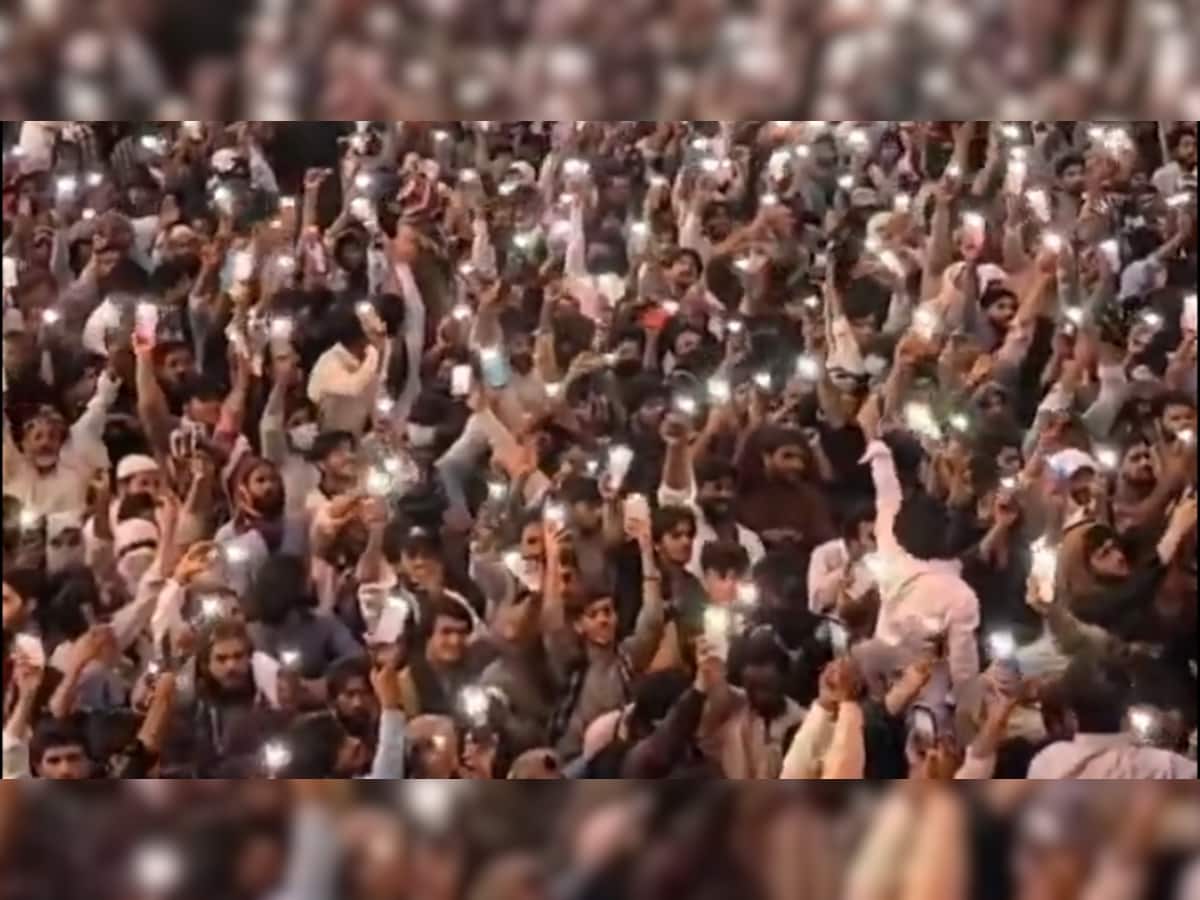
Civil society organizations have pointed out that the severity of this winter’s wheat shortage could have been mitigated through proactive measures by federal authorities. Local administrative bodies had repeatedly warned about dwindling supplies. However, instead of increasing shipments, residents report receiving only standard assurances and blame being placed on transportation issues. The growing shortages have triggered street protests, with images and videos depicting citizens demanding the reinstatement of subsidized supplies and an explanation for the irregular distribution. Many elderly individuals have spoken of returning home empty-handed on multiple occasions, a situation that was rare even in previous challenging winters.
Protesters frequently link the current food crisis to what they describe as Islamabad’s broader approach to the region. This includes the acquisition of land for development projects like dams and road corridors without transparent compensation, the export of hydroelectric power while local communities face darkness, and the initiation of major projects without local consultation. They interpret these actions as indicative of a governance model that marginalizes Gilgit-Baltistan, overlooking its strategic and economic significance. For the people of Gilgit-Baltistan, the immediate focus is on securing enough wheat for survival. As winter intensifies and no clear plan has been announced by the government, there is a growing fear that the crisis will worsen. Residents express fatigue with promises of patience, believing these persistent shortages highlight a fundamental issue: a region abundant in natural resources is struggling for basic food due to its limited voice in national policy-making.