
A severe wheat shortage is causing widespread hardship and sparking significant anger in Gilgit-Baltistan, with residents directing blame towards Islamabad for perceived neglect. Families across the region, including in major towns like Gilgit, Skardu, and Hunza, are struggling to access subsidized wheat, a critical food staple for the harsh winter months. Reports indicate long queues and empty shelves at ration shops, as supplies have become increasingly difficult to secure. Local market prices for wheat have surged dramatically, pushing it beyond the affordability of many.
Many residents and local traders believe this is not a natural scarcity but a consequence of systemic issues. There are claims that the region, which already faces political disenfranchisement, is deliberately deprioritized when it comes to essential supplies. This pattern, they contend, means Gilgit-Baltistan disproportionately suffers during resource shortfalls and experiences prolonged recovery periods. Compounding the food crisis are severe and ongoing electricity outages affecting daily life and businesses, even in areas that contribute significantly to national hydropower generation. Students, in particular, are facing difficulties studying due to unreliable power.
The core of the problem, according to numerous locals, lies in Gilgit-Baltistan’s unique governance structure. Operating outside the constitutional framework of Pakistan, the region lacks representation in national legislative bodies and access to the Supreme Court. This means key decisions regarding land, water, and revenue are made remotely, limiting local autonomy and input. Consequently, many perceive the current system as one that exploits the region’s resources without adequately providing for its inhabitants.
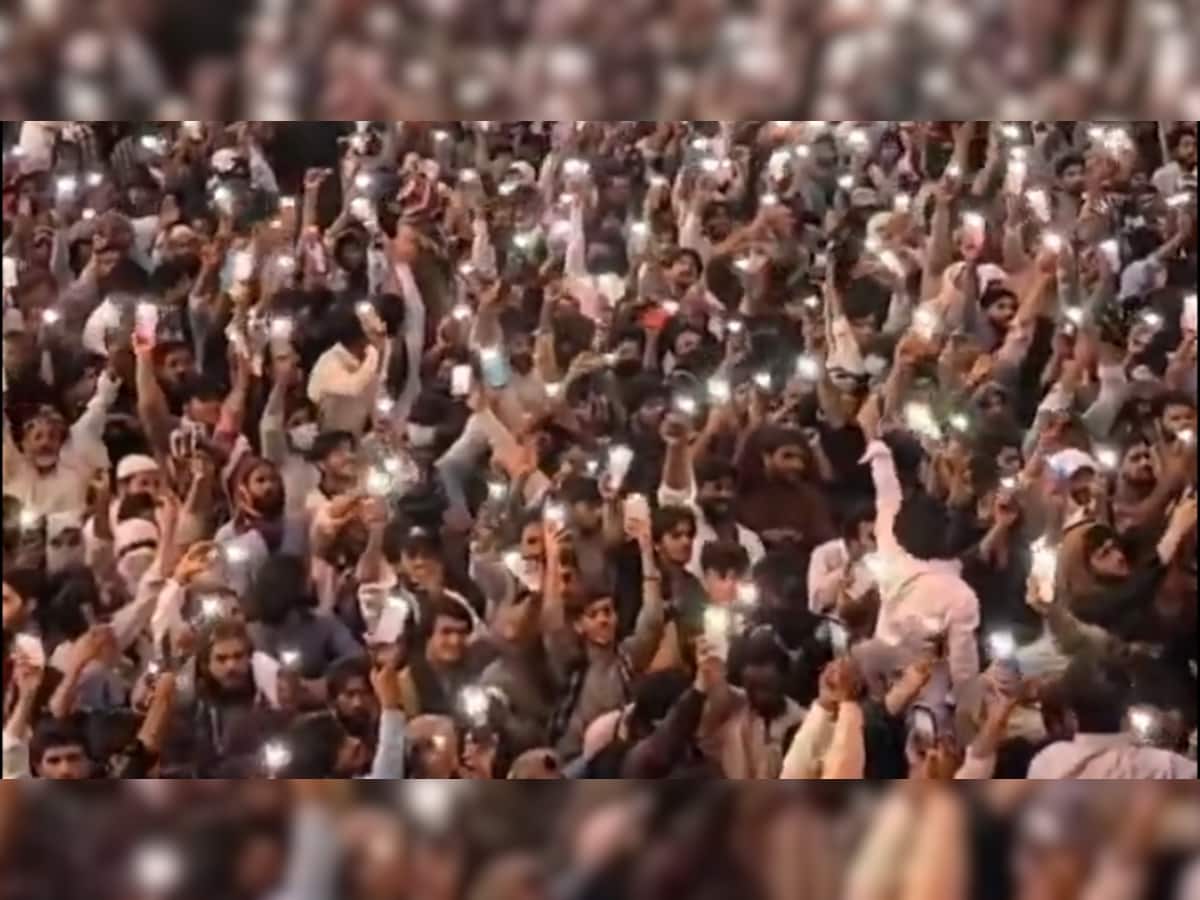
Civil society advocates have stated that the current winter’s wheat crisis could have been preempted if federal authorities had responded promptly to earlier warnings from local administrations about critically low supplies. Instead of increasing shipments, residents allege, they were met with routine reassurances and explanations citing transport issues. The worsening shortages have led to public protests, with demonstrators demanding the restoration of subsidized grain supplies and greater transparency in their distribution. Many older individuals have spoken of returning home day after day without the essential wheat, a hardship that was rare even in past difficult winters.
Protesters frequently link the food crisis to broader concerns about governance, such as land acquisition for development projects without equitable compensation, the export of electricity generated locally while residents face blackouts, and the initiation of major projects without public consultation. These issues, they argue, point to a governance model that marginalizes Gilgit-Baltistan, despite its strategic importance. For families facing the immediate challenge of food security, the situation is dire. With winter’s grip tightening and no clear government action plan, there is a deep-seated fear that the crisis will only worsen. Many believe that the struggle for basic food in this resource-rich region is a direct result of its limited political influence and the government’s failure to prioritize its needs.