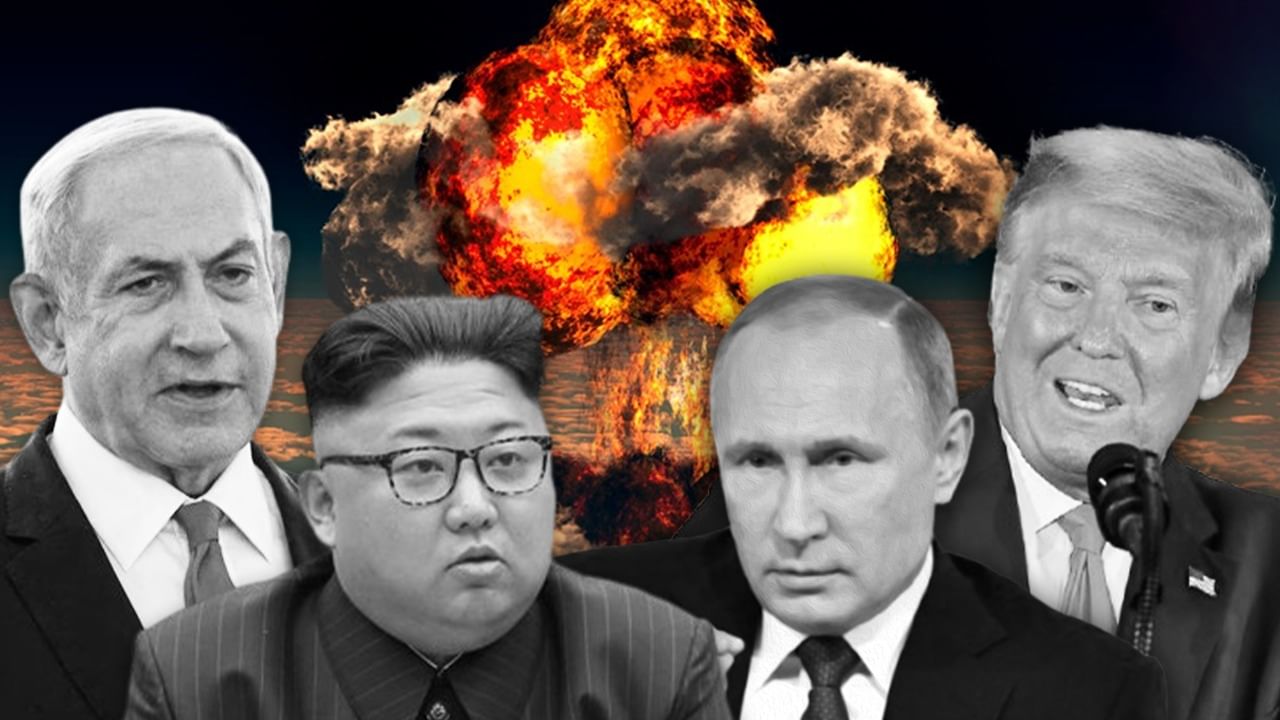

The conflict between South Korea and North Korea adds another layer of complexity to the nuclear threat landscape. South Korea has signed the Treaty on the Non-Proliferation of Nuclear Weapons, making it a target for North Korean aggression. Kim Jong Un has claimed North Korea possesses nuclear weapons, further escalating tensions between the two nations and increasing the possibility of a nuclear attack. The United States might respond to any North Korean aggression by targeting Kim, on behalf of South Korea.
The escalating tensions between Israel and Iran are rooted in nuclear concerns. Israel accuses Iran of developing nuclear weapons, leading to attacks on Iranian territory. The United States has also targeted Iranian nuclear sites with bomber aircraft. Both the United Nations and the IAEA have issued repeated warnings, and Iran has restricted the IAEA’s access to its nuclear facilities. Negotiations between Iran and the United States are currently stalled.
A recent YouGov survey revealed that between 41% and 55% of people in the UK, France, Germany, Italy, and Spain believe a Third World War could occur in the next ten years. The survey also included the opinions of 45% of Americans. A large majority of those surveyed, between 68% and 76%, believe that any future war would involve nuclear weapons, potentially causing even greater devastation than Hiroshima. Most people in Europe and America believe that a Third World War is a real possibility. Specifically, between 72% and 82% in Western Europe, and 69% in the United States, view Russia as the primary threat. Additionally, Europeans have concerns about the United States; 58% in Spain, 55% in Germany, and 53% in France, feel that the growing threat from Russia alongside the US, is not helpful for peace.