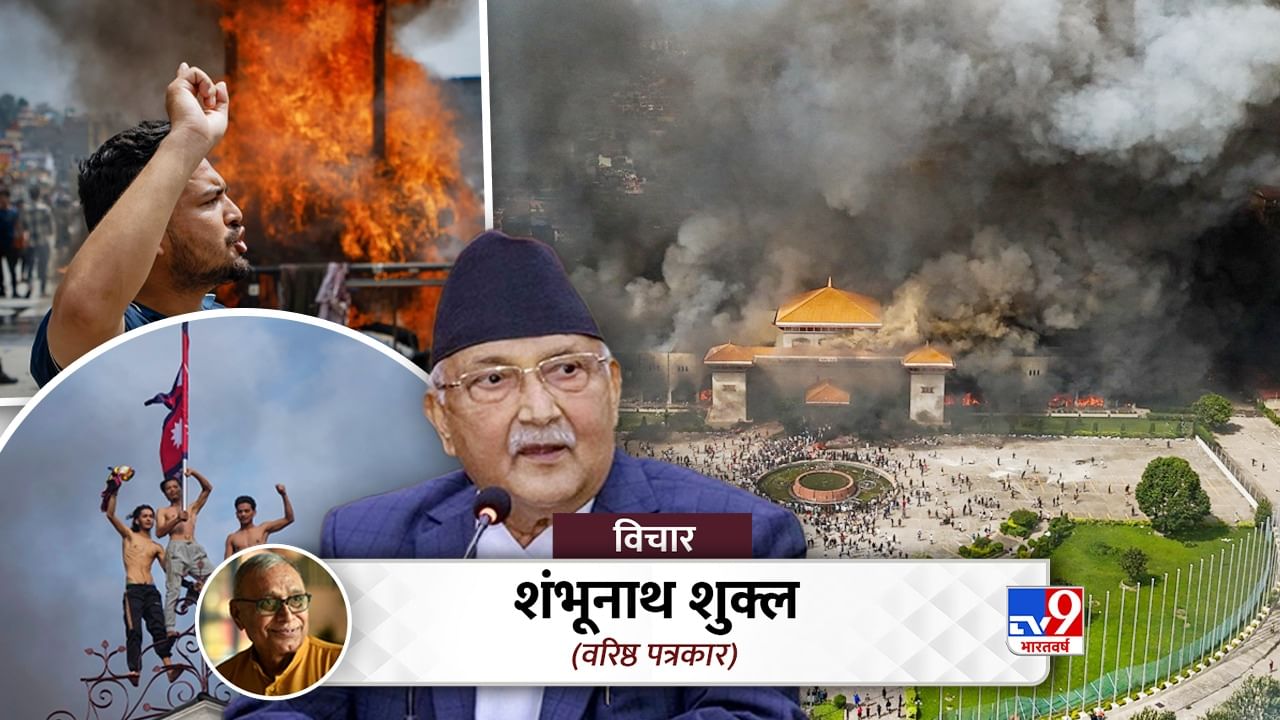

The recent unrest in Nepal, mirroring events in countries like Sri Lanka, Bangladesh, and Afghanistan, highlights a pattern of government instability in smaller nations. In Nepal, the government of KP Sharma Oli failed to respond effectively to growing public discontent. The protests, which escalated into violent clashes, resulted in significant property damage, loss of life, and the resignation of the Prime Minister.
The underlying causes of the unrest are complex, including widespread corruption, frequent changes in government, and strained relations with India. The Oli government’s perceived favoritism towards China and its handling of the Lipulekh border dispute further aggravated tensions. Additionally, the marginalization of the Madhesi community contributed to the growing dissatisfaction.
This instability is not unique to Nepal. Over the past few years, similar situations have unfolded in other South Asian nations, characterized by factors such as corruption, unemployment, and external interference. The use of social media has played a significant role in mobilizing public opinion and facilitating protests. The Libyan experience in 2011, where social media was instrumental in overthrowing Muammar Gaddafi, serves as a precedent.
Smaller nations often struggle to maintain political stability due to various factors, including the erosion of public trust, the prevalence of corruption, and the impact of economic challenges. The examples of Bangladesh and other countries demonstrate that even after government changes, addressing these underlying issues can be difficult.
The current situation in Nepal is being led by Balen Shah, the mayor of Kathmandu, a young politician from the Madhesi community. The political landscape in Nepal is impacted by the involvement of global powers, including India, China, and the United States. The future direction of Nepal remains uncertain, but it is clear that the country is facing significant challenges in navigating its political and economic future.