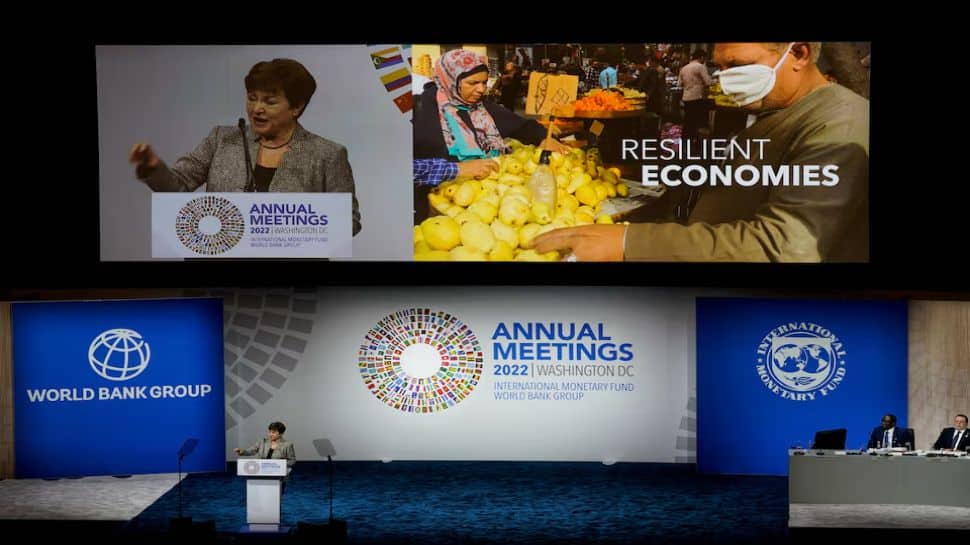

In 2025, the International Monetary Fund (IMF) is facing a significant debt situation, with Argentina, Ukraine, and Egypt emerging as the top three borrowers, collectively accounting for approximately half of the $162 billion in outstanding loans. This financial reality was a central theme at recent IMF and World Bank meetings in Washington, D.C., attended by global financial delegates. The critical discussions revolved around the implications of these large debts for global economic stability, effective debt management techniques, and strategies to assist nations in dire financial straits. The IMF has also cautioned about potential financial distress, exacerbated by factors such as U.S. trade policies and the rise of global protectionism.
The IMF functions as a ‘lender of last resort,’ providing essential financial assistance to countries experiencing severe economic crises when conventional borrowing options are unavailable. These loans are invariably accompanied by stringent conditions, often mandating austerity measures that can lead to significant hardship for citizens, creating a complex dilemma for borrowing nations.
Founded in 1944, the IMF’s primary objective is to promote global economic stability. It has grown from 44 founding nations to 191 members and collaborates with the United Nations to uphold this mission. The organization offers policy advice, short-term financial aid, and capacity-building programs. Membership is open to all countries upon approval by existing members. The IMF’s funding comes from member contributions, which are determined by the size of their economies. These contributions influence a country’s quota, dictating its borrowing limits and voting power. The IMF has a total lending capacity of around $1 trillion, funded by its member states. Wealthier nations often act as creditors, earning interest on their financial contributions.
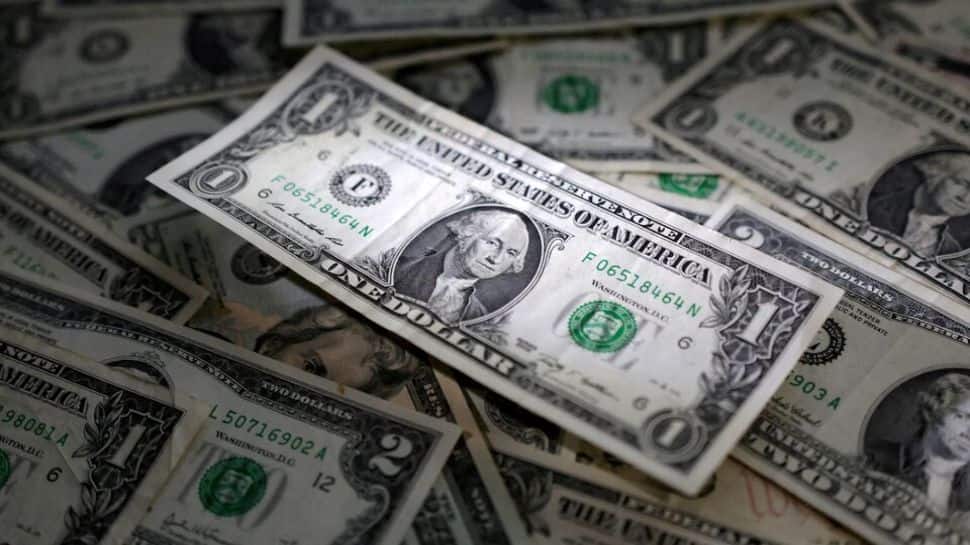
As of October 15, the IMF’s total outstanding credit has reached an all-time high of SDR 118.9 billion, roughly $162 billion, owed by 86 countries. Argentina holds the largest debt at SDR 41.8 billion (approximately $57 billion), followed by Ukraine with SDR 10.4 billion ($14 billion), and Egypt with SDR 6.9 billion ($9 billion). These three countries together owe nearly 50% of the total IMF debt.
Argentina’s position as the IMF’s largest borrower is a consequence of its consistent reliance on external financing. In April, it received its 23rd IMF program, a $20 billion bailout intended to stabilize its economy. Historically, Argentina received the largest loan in IMF history in 2018 ($57 billion) to address fiscal imbalances and curb a currency crisis. Further financial support was pledged in October 2025 by the U.S. administration, including a $20 billion currency swap arrangement designed to bolster Argentina’s foreign currency reserves.
Ukraine’s debt of over $14 billion is a direct result of the devastating economic impact of the 2022 Russian invasion. Its external debt has more than doubled pre-war levels, reaching $152 billion by April. In March 2023, the IMF approved a four-year Extended Fund Facility (EFF) valued at $15.5 billion, as part of an international effort to stabilize Ukraine’s economy and support essential civilian spending and debt servicing amidst significant military expenditures.
Egypt’s status as the third-largest debtor is linked to its ongoing need to borrow to stabilize its economy amidst high debt levels, fiscal deficits, low foreign currency reserves, and soaring inflation. A 2016 EFF program worth $11.9 billion aimed to resolve long-standing economic issues. In March 2025, the IMF disbursed $1.2 billion to Egypt, following the fourth review of an $8 billion reform program, which has shown preliminary signs of economic stabilization.
While IMF loans are substantial, they represent a relatively small percentage of a country’s total debt and GDP in many cases. However, for some nations, the IMF debt-to-GDP ratio is particularly high. Suriname leads this category at 13% of its GDP, followed by the Central African Republic (9.4%), Argentina (8.3%), Barbados (7.4%), and The Gambia (6.95%).