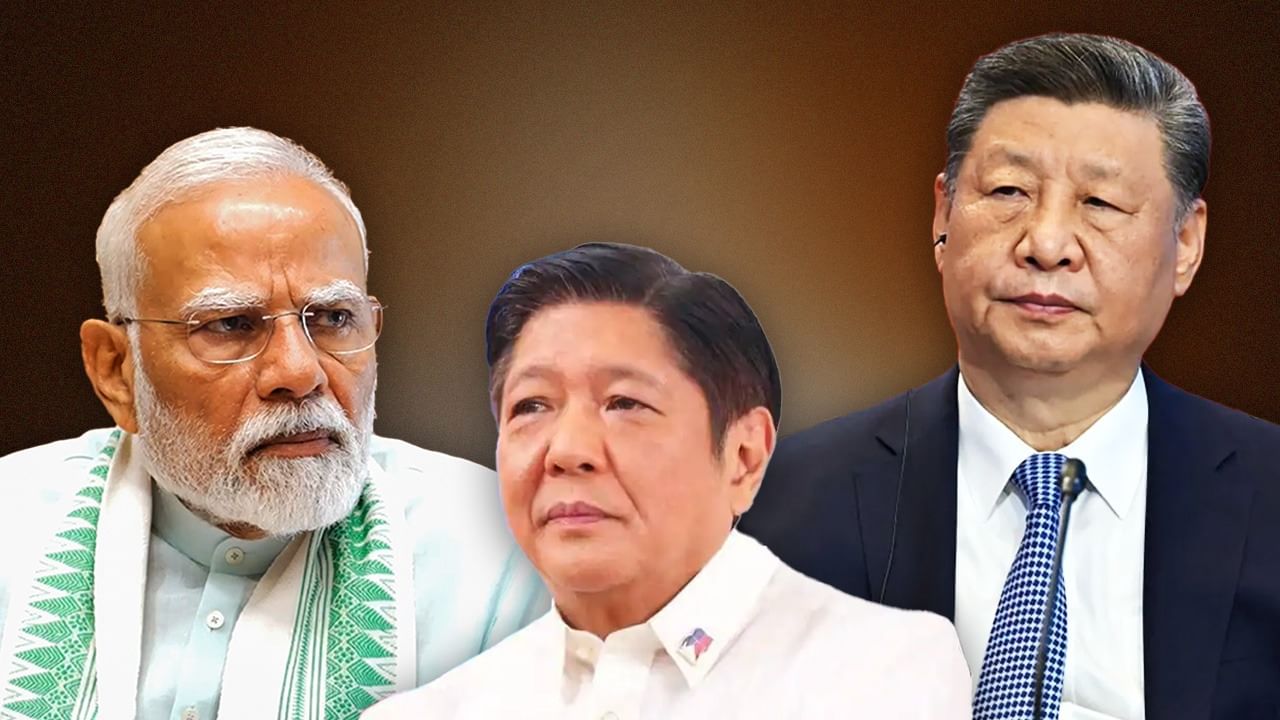

In a move to counter the rising aggression of China in the South China Sea, India and the Philippines have established a new strategic partnership. Philippine President Ferdinand Marcos Jr. is currently visiting India, at the invitation of Prime Minister Narendra Modi, from August 4th to August 8th. This strategic alliance goes beyond mere diplomatic relations, aiming for a collaborative roadmap for future years. The enhancement of the relationship to a strategic partnership level marks the 75th anniversary of diplomatic ties between the two countries, shifting the emphasis from mere engagement to joint preparation for the future.
Both countries have delivered a clear message regarding China’s increasing presence in the South China Sea. While not mentioning China by name, they have acknowledged the legally binding character of the 2016 international arbitration decision. They also expressed concerns regarding aggressive and coercive behavior, with an emphasis on maritime law, the freedom of navigation, and regional stability.
India and the Philippines will increase cooperation in the defense and security sectors. The Joint Defense Cooperation Committee (JDCC) and the Joint Defense Industry Committee (JDILC) will conduct routine meetings. They will collaborate on military training, defense technology, and activities carried out by the three armed forces. Joint ventures will also be undertaken for maritime security, hydrography, cybersecurity, counter-terrorism, and the fight against maritime piracy.
In 2024-25, trade between the two countries reached $3.3 billion. The goal is to simplify trade through a Preferential Trade Agreement (PTA). There will be substantial collaboration in pharmaceuticals, automobiles, EVs, agriculture, startups, biotech, tourism, and digital technology sectors. India and the Philippines will also cooperate in pharmaceutical research, skills development, and traditional medicine.
There will be an increased exchange of experts in Ayurveda, yoga, and healthcare. ITEC and ICCR scholarships will provide opportunities for education and research to young people. Both countries will jointly conduct research within the Science and Technology Program for 2025-28, covering areas like space science, peaceful nuclear energy, AI, fintech, and cyber forensics. Direct flights between Delhi and Manila will soon be launched. Efforts will also be focused on connecting ports, maritime transport, and digital connectivity. Indians will no longer need visas to visit the Philippines, and Philippine citizens will receive free e-tourist visas for India. The countries will also collaborate on platforms such as UN Security Council reform, International Solar Alliance, Global Biofuels Alliance, and Global South. They will share a common approach to environmental protection, disaster management, and sustainable development.