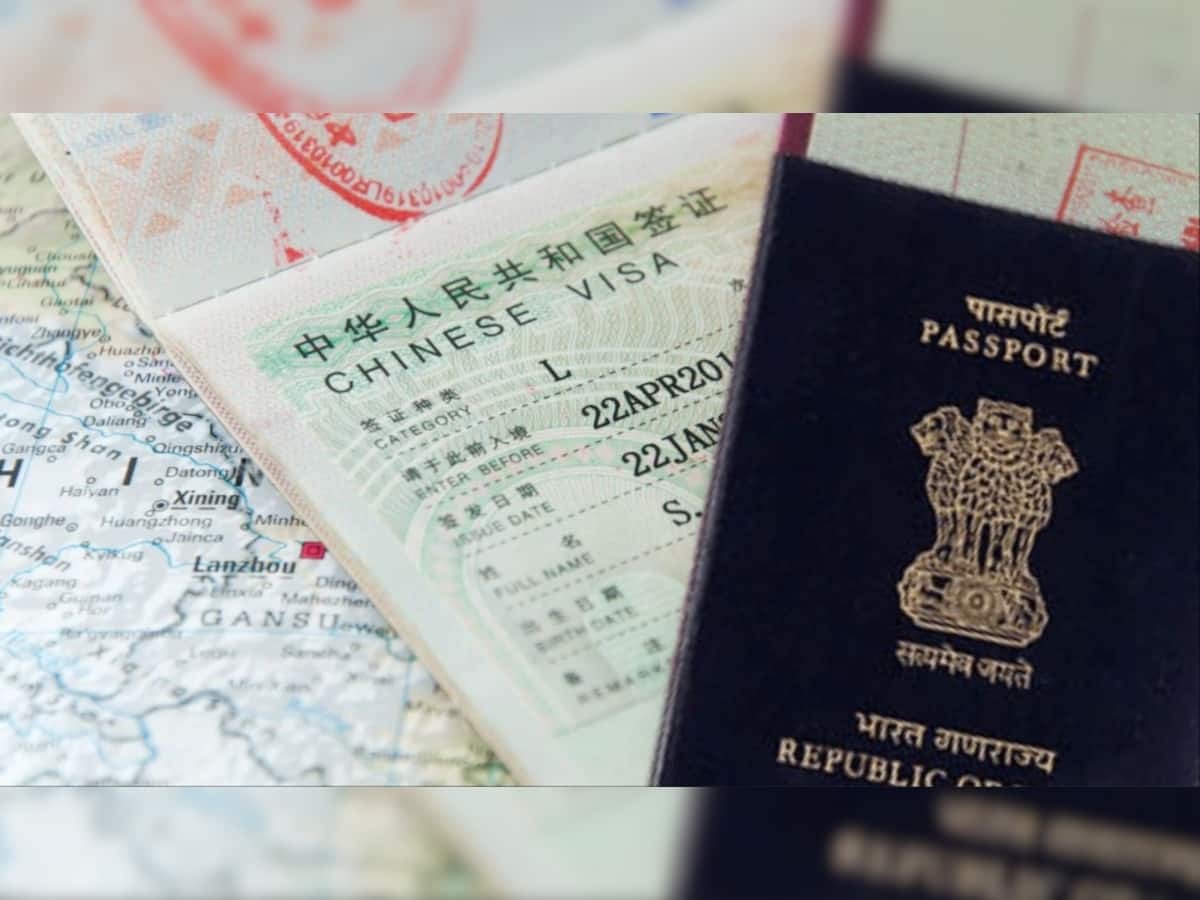

India has taken a significant step towards restoring normalcy by expanding the resumption of tourist visas for Chinese nationals. Citizens of China can now apply for tourist visas through any Indian embassy or consulate globally, marking a crucial development in bilateral relations post-LAC military standoff.
The initial phase of visa resumption for Chinese tourists began in July, but it was confined to specific Indian missions in China. The recent, quietly implemented global reopening signifies a broader diplomatic effort to mend ties that were strained following the 2020 suspension of visas. This suspension followed the Galwan Valley incident and the protracted military stand-off along the Line of Actual Control (LAC), an event that tragically led to casualties on both sides and marked a low point in India-China relations.
According to individuals familiar with the matter, India and China have recently committed to a series of ‘people-centric measures’ intended to stabilize their relationship. The resumption of direct flights in October, after a hiatus since early 2020, is a key indicator. Furthermore, both nations have agreed to revive the Kailash Manasarovar Yatra, a significant pilgrimage to Tibet, slated for this summer. Improved visa processing for various traveler types and the joint commemoration of the 75th anniversary of diplomatic relations, with events already underway at diplomatic posts, are also part of this renewed engagement.
These facilitate exchanges are aimed at fostering greater people-to-people contact, as advocated by the leadership of both countries. The positive trajectory towards normalization was bolstered by an agreement in October 2024 to disengage frontline troops along the LAC. This was swiftly followed by a meeting in Kazan between Prime Minister Narendra Modi and President Xi Jinping, where they agreed to re-establish bilateral dialogue channels to address enduring issues, including the border dispute.
Subsequent high-level dialogues involving foreign and defense ministers, national security advisors, and special representatives have yielded agreements to resume cooperation across various domains, including border trade and economic ties. China has also shown willingness to address India’s trade grievances, such as restrictions on the export of critical rare earth minerals. The collective impact of these measures points towards a measured and consistent effort to repair one of Asia’s most vital relationships.