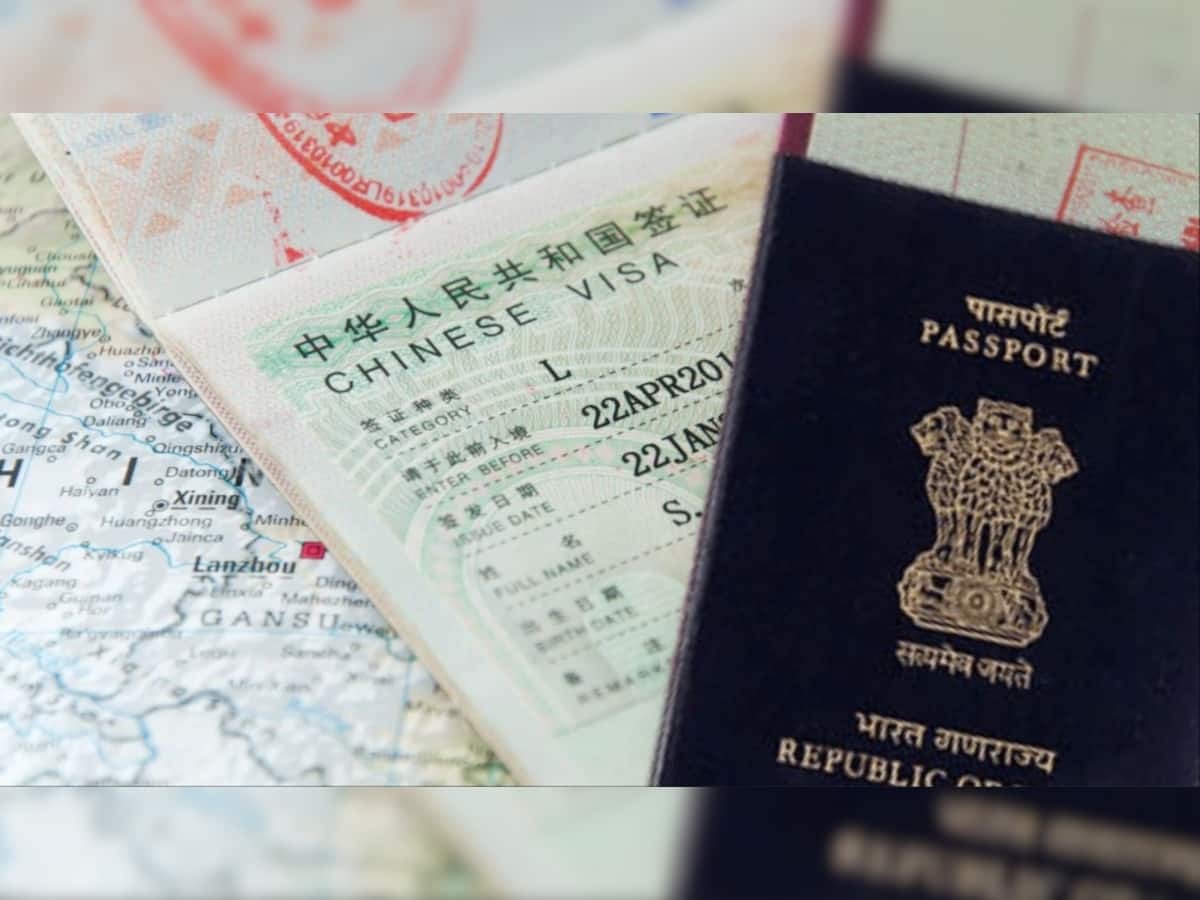

India has officially expanded the availability of tourist visas for Chinese nationals, enabling them to apply through Indian embassies and consulates across the globe. This expansion represents a significant stride in normalizing bilateral ties, particularly after the prolonged military disengagement along the Line of Actual Control (LAC).
Previously, in July, India had resumed tourist visas but restricted applications to its diplomatic missions in Beijing, Shanghai, Guangzhou, and Hong Kong. The broader global reinstatement, which took effect quietly earlier this week, follows a complete suspension of visa services for Chinese citizens starting in 2020. This suspension was a direct response to the LAC standoff and the devastating Galwan Valley clash, an event that significantly impacted bilateral relations.
Insights from individuals close to the matter reveal that India and China have recently agreed upon multiple “people-centric steps” aimed at fostering stability. Direct flights, ceased in early 2020, recommenced in October. Furthermore, both sides have pledged to reinstate the revered Kailash Manasarovar Yatra to sacred sites in Tibet, enhance visa facilitation services for diverse traveler groups, and acknowledge the 75th anniversary of diplomatic relations through coordinated events.
These initiatives are geared towards promoting people-to-people interactions, as envisioned by the leaders of both nations. The impetus for normalization accelerated following India and China’s agreement in October 2024 on disengaging frontline troops along the LAC. This breakthrough paved the way for a high-level summit where leaders committed to revitalizing bilateral mechanisms to resolve persistent issues, including the border dispute.
Subsequent to this meeting, high-ranking officials, including ministers and national security advisors, have engaged in numerous talks. These discussions have culminated in agreements to revive cooperation across sectors like border trade and economic engagement. Additionally, China has begun addressing India’s trade concerns, such as export limitations on rare earth minerals. This concerted approach signals a deliberate and progressive effort to rebuild a pivotal relationship within Asia.