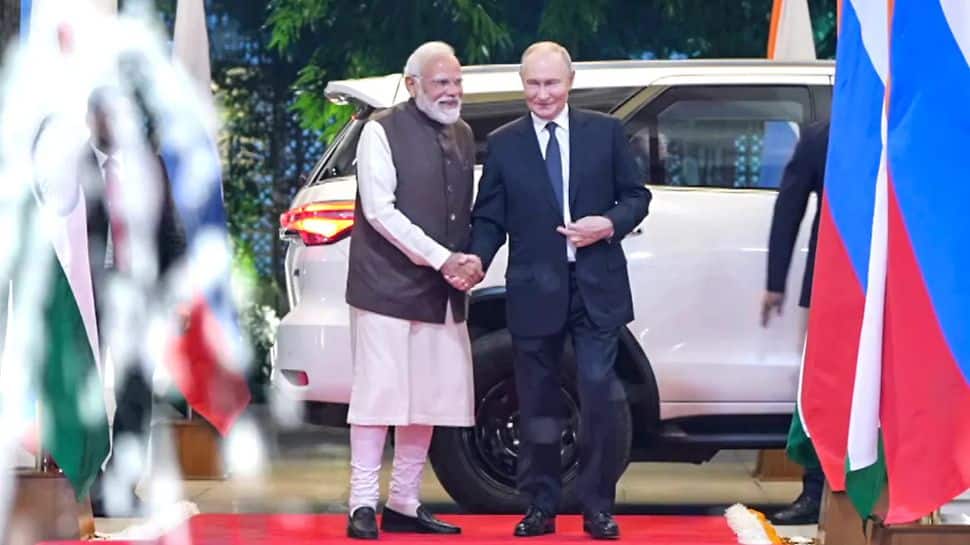

Russian President Vladimir Putin’s recent state visit to New Delhi was a significant demonstration of the deep-rooted and evolving relationship between India and Russia. The cordial atmosphere, marked by Prime Minister Narendra Modi’s personal reception, highlighted the enduring nature of this decades-old friendship.
Economic ties have flourished, with bilateral trade escalating dramatically to $68 billion from $8 billion five years ago. India’s continued imports of Russian crude oil, a vital source despite global sanctions, and its military’s reliance on Russian defense equipment, underscore the critical importance of this partnership for both nations’ strategic needs.
Against a backdrop of shifting global alliances and increased international pressure on Russia, India has reaffirmed its commitment to strategic autonomy. This visit emphasized India’s ability to maintain strong, independent relationships, acting as a crucial partner for Russia in a complex geopolitical climate.
The strategic implications extend to India’s own security and economic stability. Access to affordable Russian energy resources, particularly discounted oil, has been a significant boon for India’s economy, bolstering energy security and contributing to GDP growth.
Moreover, the summit served to illustrate Russia’s active engagement with the global community, particularly in Asia and the Global South. Moscow’s strategic outreach, including enhanced cooperation with countries like China, signals a focus on strengthening its influence and partnerships in key strategic regions.
A key message from the visit was Russia’s endorsement of India’s independent foreign policy. The extended duration of Putin’s stay signaled Moscow’s respect for India’s sovereign decision-making and its recognition of India as a trusted and capable partner.
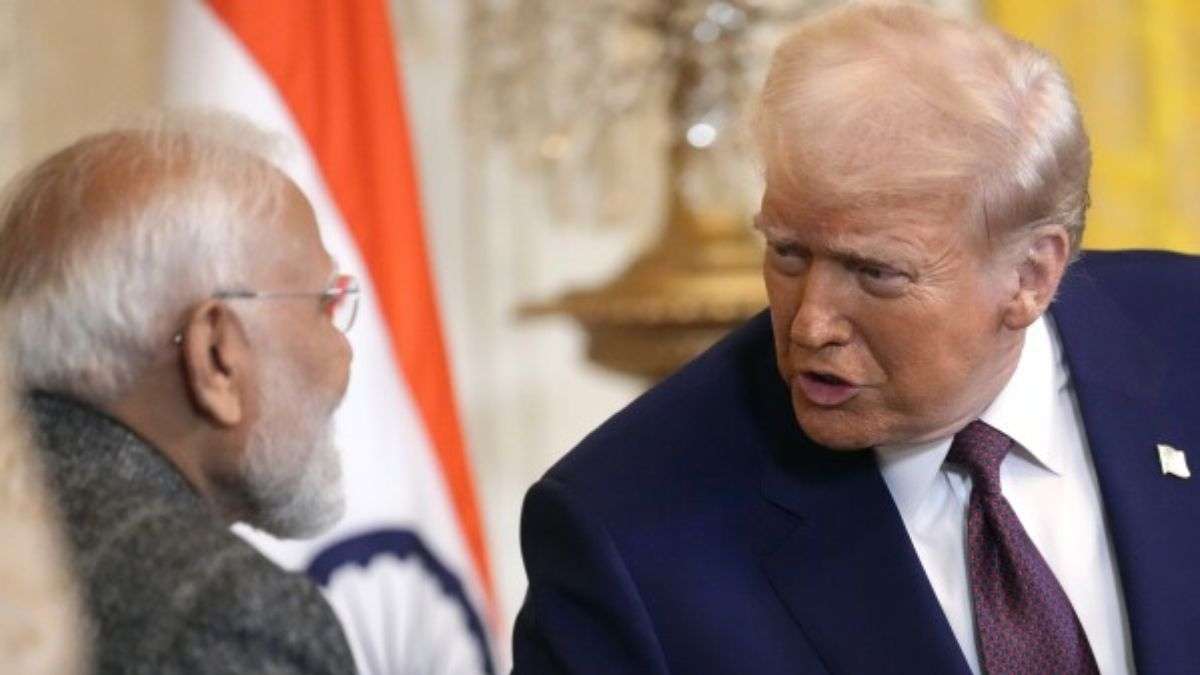
This visit also occurred while India was engaged in delicate diplomatic maneuvers with the United States, navigating sensitive trade and strategic discussions. India’s consistent approach of safeguarding its national interests while managing its relationships with major global powers was evident.
Looking ahead, the India-Russia partnership is set to deepen further, building on a quarter-century of cooperation. Discussions and plans point towards expanded collaboration in critical sectors such as defense, nuclear energy, and labor mobility, with potential integration through frameworks like the Eurasian Economic Union.
In conclusion, Putin’s visit to India was a powerful affirmation of continuity and momentum in the bilateral relationship, underscoring its resilience and its vital role in pursuing shared strategic objectives in a dynamic global environment.