
A landmark trade deal between India and the United States is reportedly on the cusp of finalization, promising a substantial reduction in US tariffs on Indian exports. Currently, American tariffs on a range of Indian goods stand at a considerable 50%. The impending agreement is expected to slash these rates to around 15-16%, providing a significant impetus for Indian exporters and the nation’s economy. This long-anticipated pact is now accelerating, with rapid advancements in discussions concerning energy cooperation and agricultural market access.
Chief Economic Advisor V. Anantha Nageswaran has voiced considerable confidence in an imminent resolution to the punitive tariffs imposed by the US. He anticipates that the additional 25% tariffs could be removed within the next few months. These duties have presented significant challenges for Indian businesses engaged in international trade. Nageswaran further indicated that ongoing negotiations regarding reciprocal tariffs might lead to their reduction to the anticipated 15-16% level, a prospect that would bring immense relief and celebration to India’s trade community.
For the fiscal year 2024-25, India’s exports to the US, its largest trading partner, reached $86.51 billion. The impact of existing tariffs was somewhat mitigated this year as India had already secured a substantial volume of its exports. However, retaining the 50% tariff rate could have severely hampered exports by as much as 30% in the following year, a critical blow to an economy heavily reliant on exports. The current trade deal aims to prevent such an adverse economic scenario.
A key component of the proposed agreement is energy cooperation. Reports suggest that India may begin to gradually reduce its crude oil imports from Russia, fostering broader economic collaboration with Washington. The prior imposition of the 25% punitive tariff was directly linked to India’s reliance on Russian oil. India currently imports approximately 34% of its crude oil from Russia, with US crude making up about 10%. The deal could involve India permitting ethanol imports and scaling back Russian crude purchases, in exchange for energy trade concessions from the US. This could prompt Indian state-owned oil companies to diversify their sourcing towards US crude. The price differential between discounted Russian crude and global benchmarks has significantly narrowed, making oil from the US and the Middle East more cost-competitive.
The trade pact also encompasses agricultural trade. India is poised to offer increased market access for US non-GMO corn and soymeal. This move comes at a critical juncture for US agricultural exporters who are facing reduced demand, particularly from China, which has drastically cut its corn imports. India presents a substantial opportunity as a potential major buyer for American agricultural products.
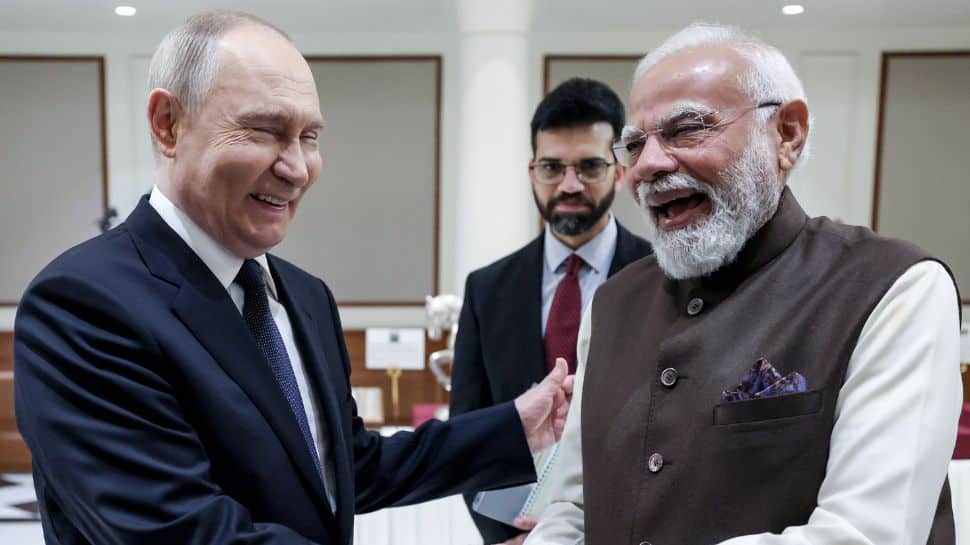
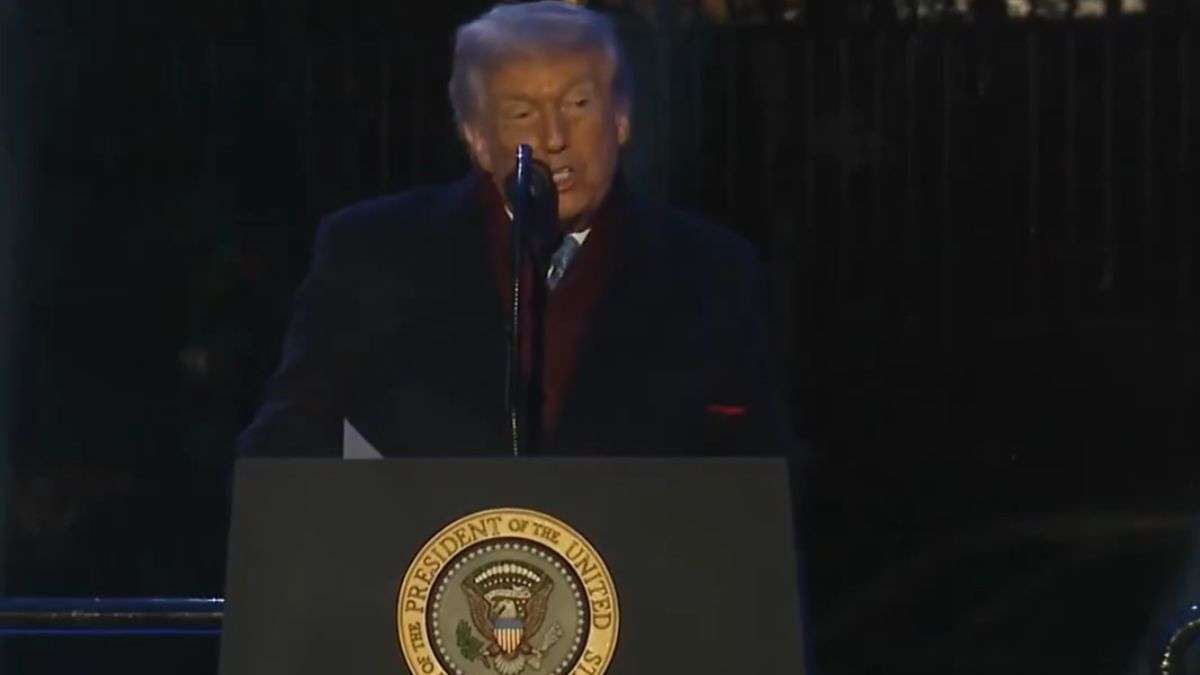
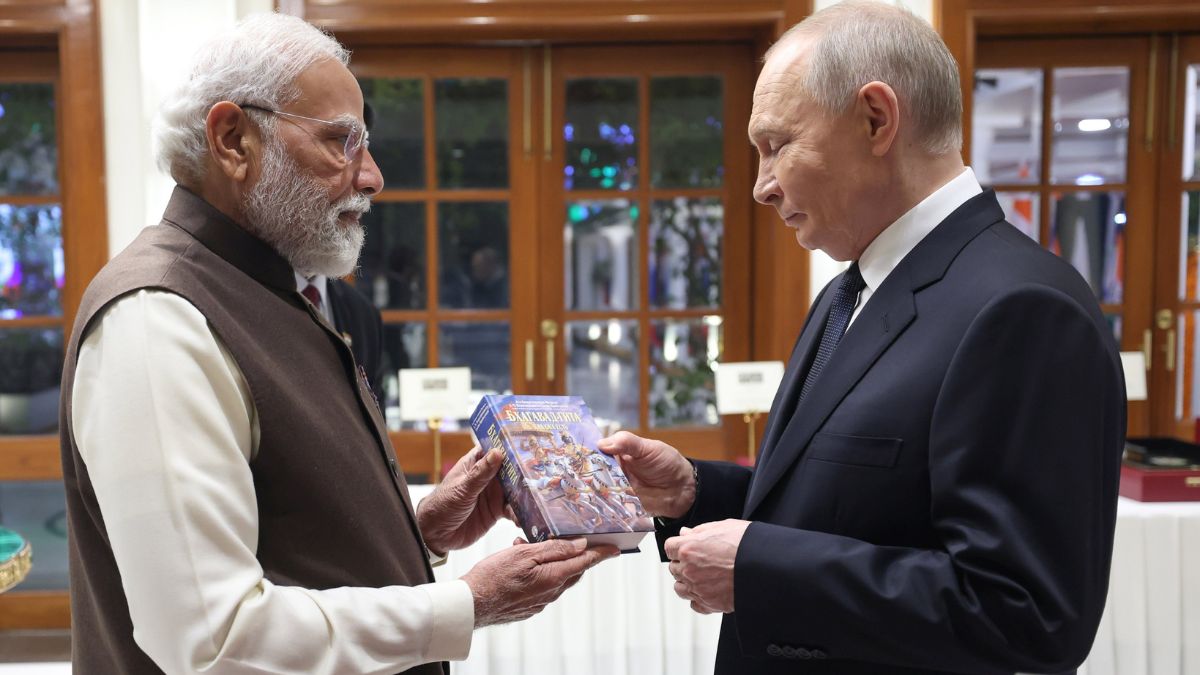
During a recent phone conversation, US President Donald Trump and Prime Minister Narendra Modi discussed energy extensively. President Trump later stated that Prime Minister Modi had assured him that India would limit its oil purchases from Russia. Prime Minister Modi acknowledged the call, describing it as “constructive engagement” and expressed appreciation for the outreach on social media.
While neither the Ministry of Commerce nor the White House has made formal statements, indications point towards a potential announcement of the trade deal coinciding with the ASEAN Summit. The finalization of this agreement would signify a major evolution in India-US trade relations, impacting tariff structures, boosting agricultural exchanges, and ushering in a new era of strategic energy alignment.