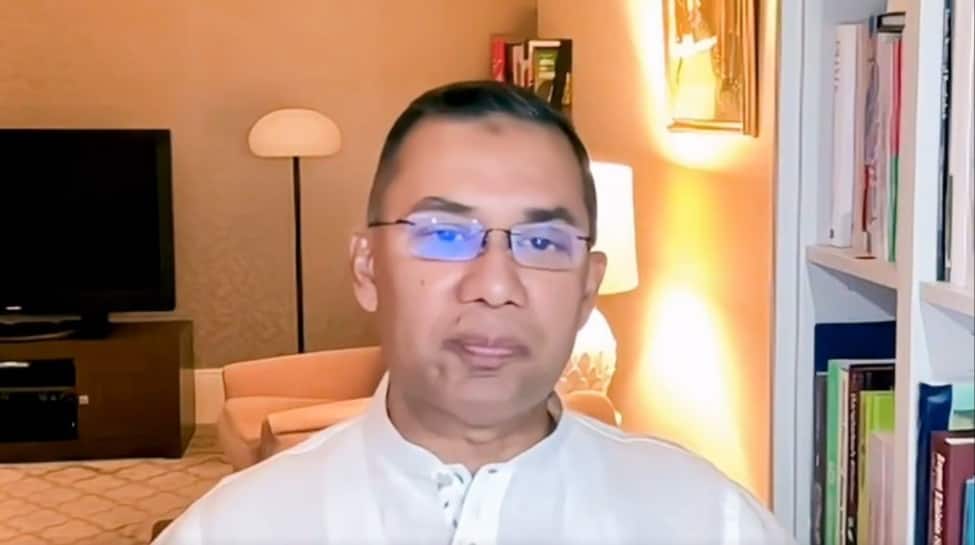
Tarique Rahman, the influential son of former Prime Minister Khaleda Zia, is set to make a dramatic return to Bangladesh after 17 years in exile. His arrival in Dhaka on Thursday, just weeks before national elections, marks a significant juncture for the Bangladesh Nationalist Party (BNP) and the nation’s volatile political scene. This development is of considerable interest to India, which is closely assessing the implications for regional stability.
The current political climate in Bangladesh is complex. The Awami League is barred from participating in the elections, and Khaleda Zia is receiving medical attention. In this vacuum, the interim government under Muhammad Yunus is reportedly struggling to manage the influence of radical Islamist factions, notably Jamaat-e-Islami, which is often associated with Pakistan’s ISI. These groups have reportedly gained ground after being previously outlawed.
Opinion surveys suggest the BNP is poised for success, but Jamaat remains a competitive force. The unexpected gains made by Jamaat’s student wing in the Dhaka University elections have amplified concerns in New Delhi. India’s strategic considerations are at play here. While historically relations have been strained, India perceives the BNP as a potentially more democratic and liberal political entity compared to the current administration. A BNP victory could foster political stability in Bangladesh and possibly realign its foreign policy away from China and Pakistan and closer to India. Under the interim government, Bangladesh’s relationship with Pakistan has strengthened, impacting its ties with India.
Rahman’s past critiques of the Yunus government’s foreign policy and his reported stance against an alliance with Jamaat are viewed favorably by India. He has previously articulated a “Bangladesh First” approach to foreign policy, prioritizing national interests. India’s recent support for Khaleda Zia during her illness was also a gesture appreciated by the BNP.
Rahman, who has been directing the BNP’s activities from London since 2008, is expected to arrive in Dhaka by noon on Thursday. The BNP is anticipating a massive reception, with plans for a large roadshow from the airport and a major public rally. He is also expected to contest a parliamentary seat in Bogura.
Authorities have implemented stringent security measures, including restricted access at Dhaka airport. This return is widely anticipated to be a pivotal moment in Bangladeshi politics. Rahman’s past legal entanglements, including convictions that the BNP claims were politically motivated, and his departure for medical treatment in London, form a significant part of his political narrative. India will maintain its watchful stance as events unfold.