
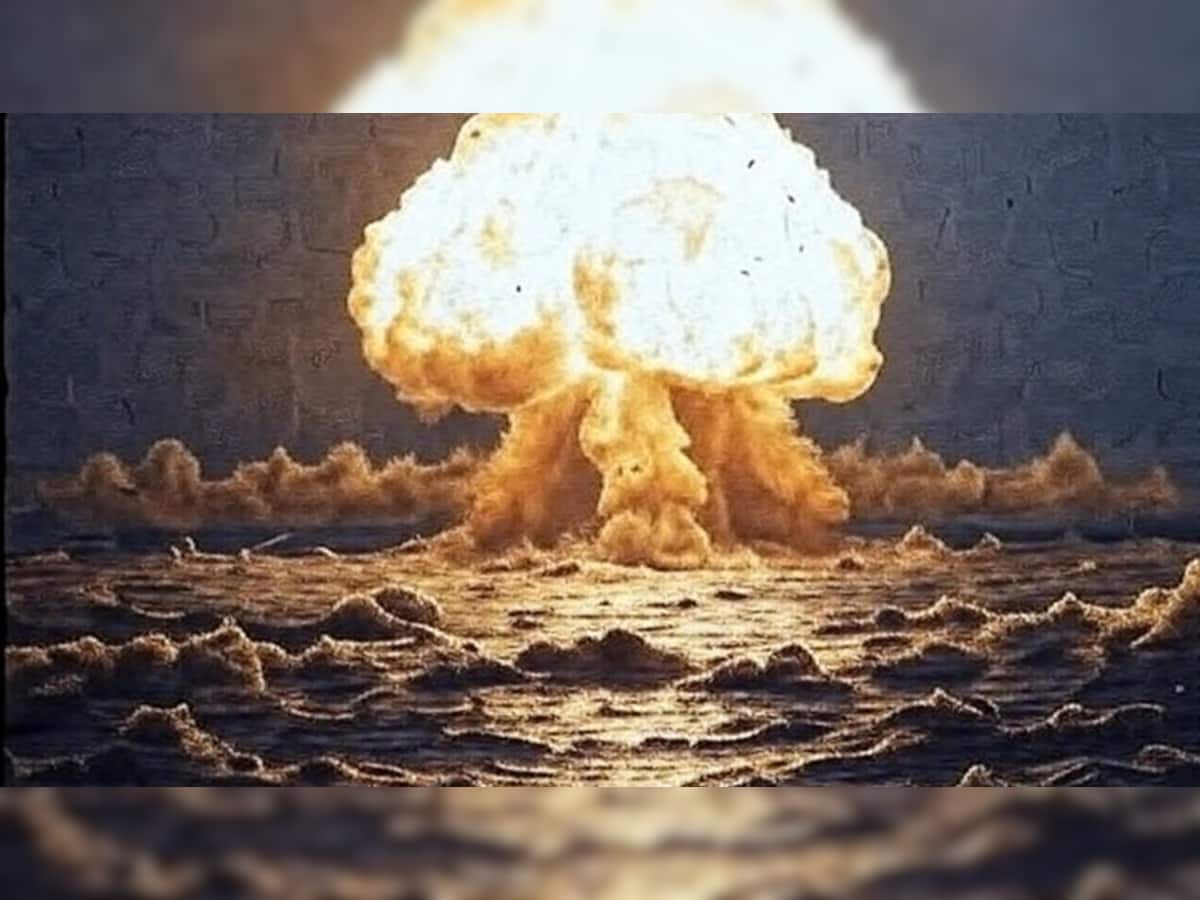

In an era of heightened global nuclear tensions, India is confronting a critical strategic decision: should it break its moratorium on nuclear testing and potentially demonstrate its hydrogen bomb capabilities? This debate has been amplified by reports of former US President Trump advocating for renewed US nuclear tests, coupled with intelligence on Russian and Pakistani nuclear activities.
Since the 1998 Pokhran-II nuclear tests, India has adhered to a policy of ‘credible minimum deterrence’ and a no-first-use (NFU) commitment. This has been a cornerstone of its responsible nuclear image. However, the changing global environment is forcing a reassessment of whether this restraint remains the optimal strategy for India’s security.
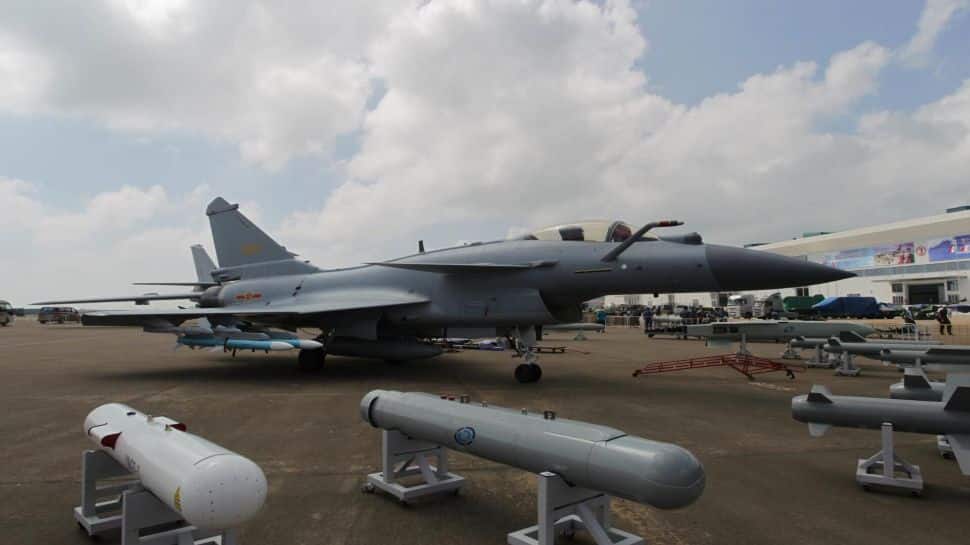
With an estimated 180 warheads, India’s nuclear arsenal is dwarfed by China’s projected 1,000 warheads by 2030. Pakistan’s expanding arsenal, expected to reach 200 warheads by 2028, further complicates the regional security dynamic. The advanced capabilities of China’s DF-41 missile system, featuring MIRV technology, present a significant challenge to India’s strategic defense.
While pursuing further nuclear tests could undermine India’s international reputation and diplomatic achievements, some analysts argue it’s a necessary step. They posit that if major nuclear powers are contemplating testing, India must ensure its own technological parity, validate its advanced thermonuclear designs, and solidify its deterrence credibility against growing regional threats. The decision point for New Delhi is whether to continue its cautious approach or to definitively prove its nuclear prowess.