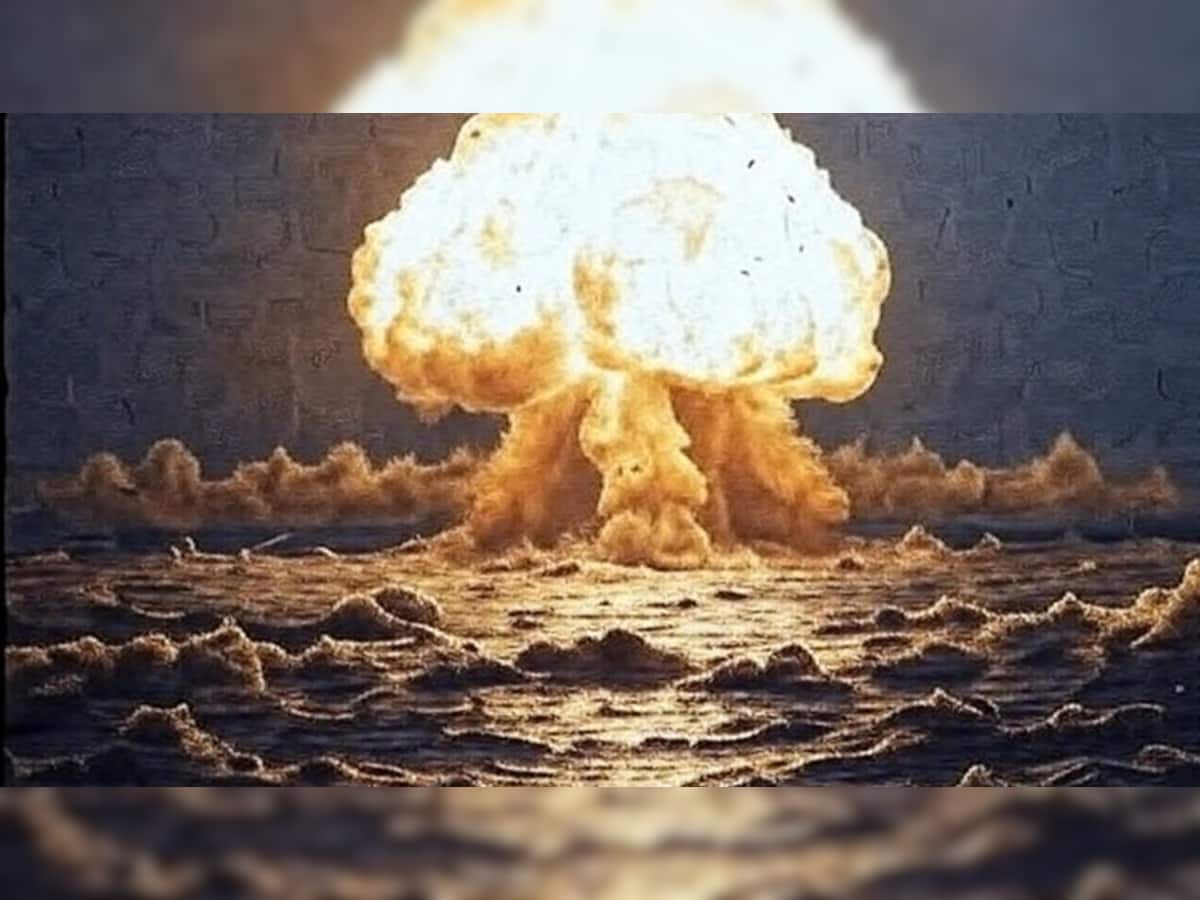

The global stage is witnessing a resurgence of interest in nuclear capabilities, prompting India to consider its own strategic options. Reports of potential U.S. and Russian nuclear activities, alongside claims of Pakistani experiments, have created ripples in international security discussions and are forcing a rethink of India’s nuclear posture.
India has steadfastly maintained a voluntary moratorium on nuclear testing since its 1998 Pokhran-II nuclear tests. This has been a cornerstone of its ‘credible minimum deterrence’ strategy and its commitment to a no-first-use policy. However, the growing military power of China, including its substantial nuclear arsenal and sophisticated missile systems, presents a formidable challenge. Analysts are debating whether continued restraint is the optimal path for India’s security, especially if other major nuclear powers abandon their testing pauses.
India’s nuclear arsenal is estimated at 180 warheads, while Pakistan maintains a comparable number. China’s arsenal, however, significantly outnumbers both and is expected to expand. Proponents of renewed testing argue that it would be an opportunity for India to conclusively validate its thermonuclear designs and enhance its warhead miniaturization for advanced delivery systems like MIRVs. While acknowledging the diplomatic implications, they emphasize the need for India to keep pace with technological advancements and maintain deterrence credibility in an increasingly complex geopolitical landscape.