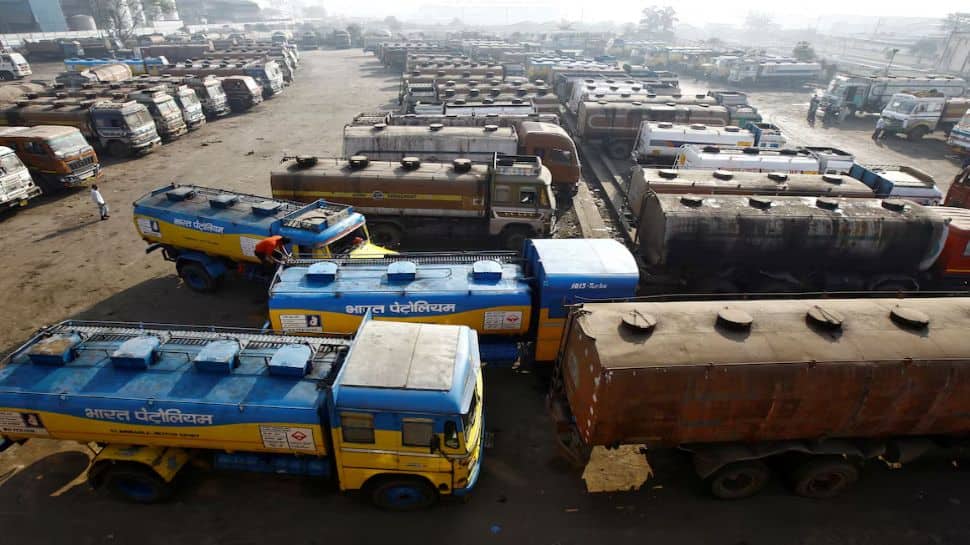

New Delhi is actively diversifying its crude oil sources, with a marked reduction in imports from Russia and an increased uptake from the United States and the Middle East. This strategic pivot sees Russian crude deliveries to India fall by 8.4% between April and September, a shift influenced by the recent 25% tariff imposed by Washington on Russian oil.
The global oil market’s dynamics, including tighter supply and reduced discounts from Russia, are prompting this change. Indian refiners are now prioritizing shipments from the Middle East and the U.S., moving away from the heavy reliance on Russian crude that characterized earlier trade patterns.
U.S. diplomatic efforts have also been instrumental. White House Trade Advisor Peter Navarro previously raised concerns that India’s oil purchases were indirectly financing Russia’s ongoing military operations. This pressure has clearly contributed to India’s evolving import strategy.
Data reveals that a significant Indian refinery was importing an average of 1.75 million barrels of Russian crude daily during the first half of the fiscal year. By September, these volumes stabilized at 1.6 million barrels per day, indicating a 14.2% decrease year-on-year.
Within India’s refining landscape, a divergence is observed. Private sector giants like Reliance Industries Limited and Nayara Energy saw an increase in Russian oil purchases in September, while state-owned companies have collectively decreased their intake. U.S. trade officials have linked the reduction of Russian imports to progress on tariff negotiations and broader trade agreements.
From April to September, India’s crude oil imports from the United States grew by 6.8%, reaching approximately 213,000 barrels per day. Overall, India’s total crude imports in September stood at 4.88 million barrels per day, a slight 1% decrease from August but a 3.5% rise from the previous year’s September figures.
Russia’s influence on India’s oil market has diminished, with its share dropping from 40% to about 36% in the six-month period. The U.S. has captured a larger slice of the market, while Middle Eastern suppliers now account for 45% of imports, up from 42%. OPEC nations collectively hold an increased share of 49%, up from 45%.
This trend showcases India’s proactive approach to securing its energy needs by broadening its supply base amidst international geopolitical and economic considerations. The United States is demonstrably benefiting from this strategic diversification, strengthening its energy trade ties with India.