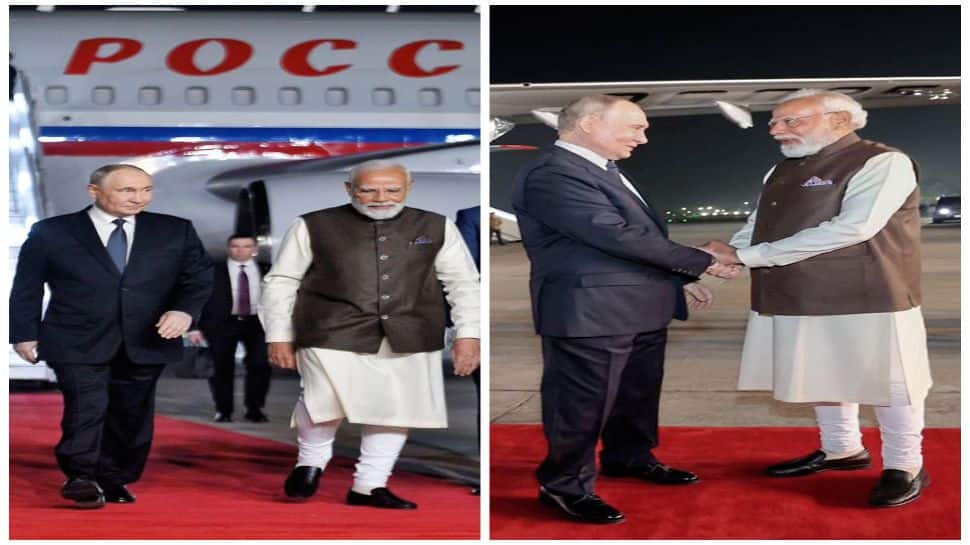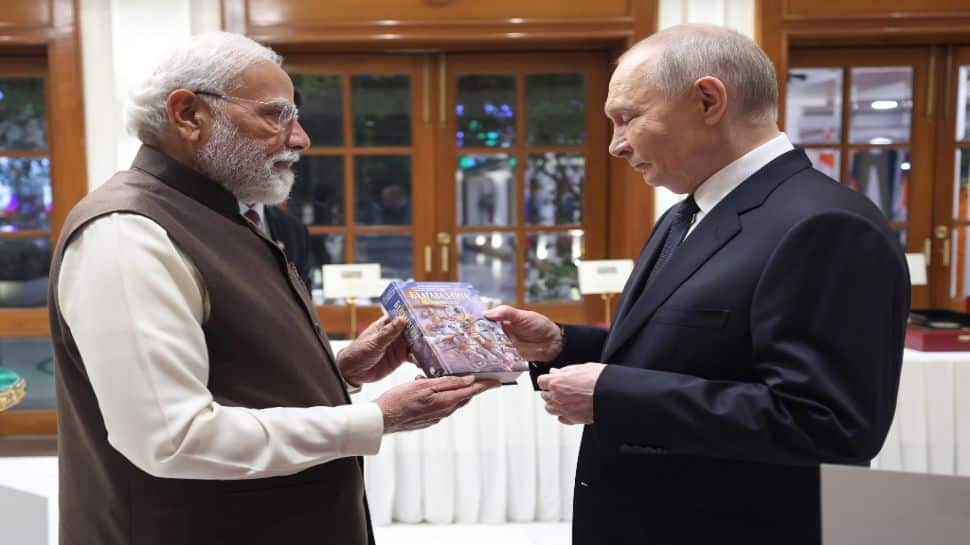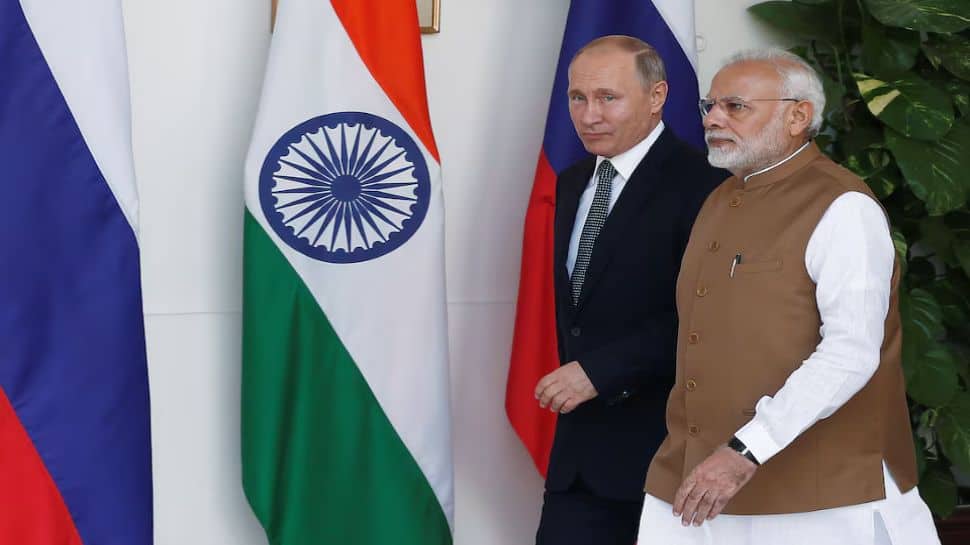

India’s recent display of battlefield prowess during Operation Sindoor was significantly enabled by its robust defense partnership with Russia. This long-standing strategic alliance has been pivotal in arming India with cutting-edge military assets, including the formidable BrahMos supersonic missile, the advanced S-400 air defense system, and sophisticated fighter jets. The upcoming visit of Russian President Vladimir Putin to New Delhi for discussions with Prime Minister Narendra Modi highlights the enduring significance of this cooperation. Central to their agenda will likely be the advancement of India’s homegrown ‘Indian Iron Dome’ project, Sudarshan Chakra, and the potential procurement of additional S-400 missile defense systems, which proved highly effective in repelling recent aerial threats.
The defense relationship between India and Russia has a deep historical foundation, beginning in the 1970s with the Indian Air Force’s adoption of Russian SAM-2 missiles. For decades, the MiG aircraft series and T-90 tanks have been essential components of India’s military infrastructure. This relationship has steadily evolved from a transactional buyer-seller dynamic into a true technology-sharing partnership. Over the past two to three decades, collaboration has progressed from simple acquisitions to joint development of complex systems, most notably the BrahMos missile.
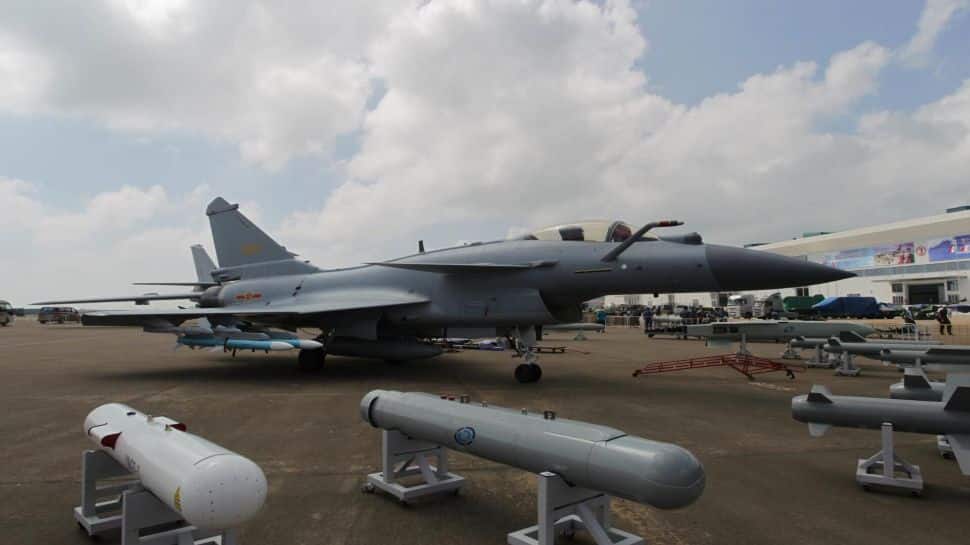
Christened after the Brahmaputra and Moscow rivers, the BrahMos missile system delivered exemplary performance during Operation Sindoor, demonstrating unmatched supersonic capabilities for precise target engagement. Equally critical was the recent induction of the S-400 air defense system. This powerful platform was extensively used to counter incoming missiles and drones, establishing an almost impenetrable defensive barrier that kept enemy aircraft at bay. On the offensive side, Sukhoi fighter jets, manufactured in India under Russian license, executed vital strike missions, solidifying their role as a primary pillar of India’s air power.
The scope of the Indo-Russian partnership extends well beyond conventional military cooperation, encompassing critical areas like civilian nuclear energy, space exploration, and submarine technology. Russian-designed reactors power India’s civilian nuclear program, joint space projects have facilitated satellite launches and research, and collaborative efforts in submarine development continue to bolster India’s maritime security. Today, a network of Indian industries is actively working with Russian counterparts on advanced defense technologies, enhancing India’s strategic autonomy. As global uncertainties mount, India’s reliance on Russia as a trusted and proven strategic ally remains steadfast. Operation Sindoor serves as a powerful symbol of this enduring friendship, illustrating how the Indo-Russian bond continues to empower India’s defense capabilities and secure its skies.