

Indonesia’s grand project to build a new capital, Nusantara, in Borneo’s tropical forests, is facing a significant crisis. Hailed as a symbol of national modernization, the city now risks becoming a ‘ghost city’ due to substantial funding cuts and a shift in governmental priorities. The initiative, spearheaded by former President Joko Widodo, was designed to relieve the immense pressure on Jakarta and establish a greener, more efficient administrative center by 2030.
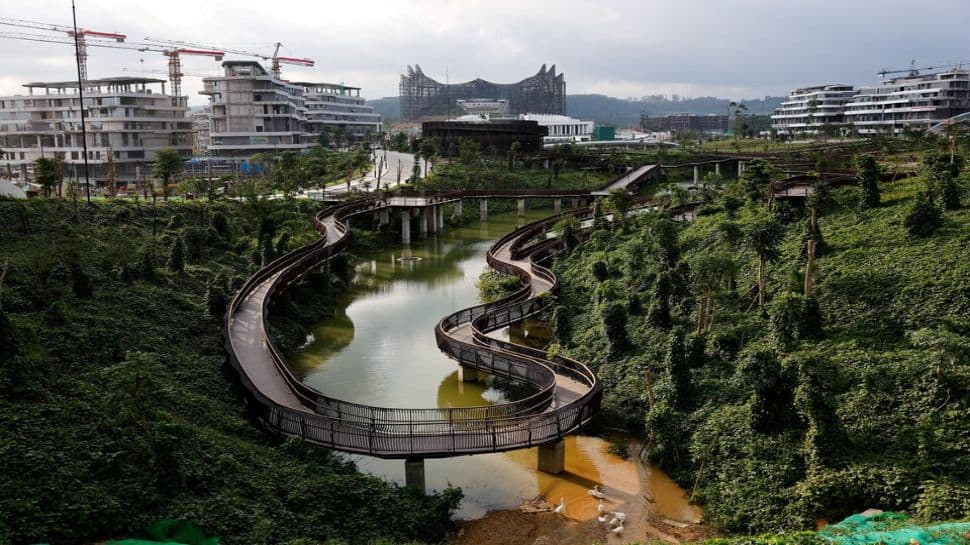
Currently, the expansive roads of Nusantara are largely deserted, with government buildings standing unfinished and awaiting completion. The anticipated buzz of a new capital is absent, replaced by the quiet hum of essential maintenance and the presence of construction crews. The situation has taken a downturn following President Prabowo Subianto’s ascent to power in October. His administration has significantly slashed the budget allocated for Nusantara. Funding for 2025 has been reduced to an estimated 700 million pounds, a steep decline from the approximately 2 billion pounds provided in 2024. Next year’s budget is even more constrained, with only 300 million pounds approved, a third of what was requested. Compounding this, private sector investment has lagged, missing its funding goals by over 1 billion pounds.
President Prabowo has yet to visit the new capital since taking office. While an announcement was made in May designating Nusantara as the “political capital,” the public was informed of this decision only four months later. Further instability has arisen with the resignations of the agency’s head and deputy head in 2024, intensifying concerns about the project’s future.
Nusantara currently houses about 2,000 civil servants and 8,000 construction workers, a starkly low number compared to the 2030 target of 1.2 million residents. The city boasts advanced infrastructure, including residential towers, ministry complexes, transportation networks, healthcare facilities, and an international airport, yet most of it remains in a developmental stage.
Experts are voicing serious doubts. Constitutional law expert Hardiansyah Hamzah has observed that the city already exhibits characteristics of a “ghost city.” He further explains that the “political capital” status carries little legal authority and indicates that President Prabowo does not consider Nusantara a primary focus. The vision for a cutting-edge capital for the world’s most populous Muslim nation now hangs in the balance, threatened by a lack of sustained commitment and investment.