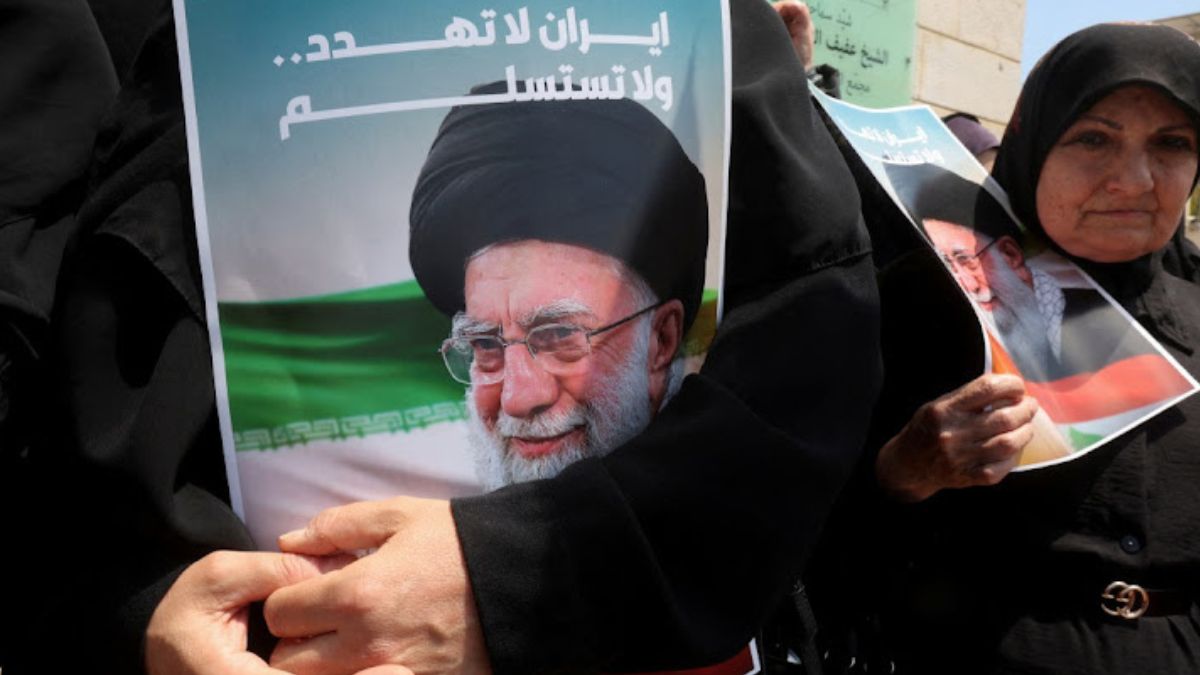

Following the temporary end to the hostilities between Israel and Iran, the focus has shifted to the unprecedented absence of Iran’s Supreme Leader, Ayatollah Ali Khamenei. His prolonged disappearance, especially during a time of national crisis, has sent ripples of concern throughout Iran. This lack of public appearances or communication has generated widespread speculation about his health, safety, and ability to govern.
Official sources indicate that Khamenei is sheltering in a secure location and avoiding electronic communication, allegedly to prevent assassination attempts. However, the lack of direct communication has raised questions about his involvement in critical decisions, including the cease-fire agreement brokered by the emir of Qatar. Mehdi Fazaeli, head of Khamenei’s archives office, responded to questions about his whereabouts, but his response did little to clarify the situation.
The absence of the Supreme Leader is also fueling internal power struggles. Various factions within the government are reportedly vying for influence, each with a distinct viewpoint on critical issues such as the nuclear program, relations with the United States, and the ongoing conflict with Israel. The longer Khamenei remains out of sight, the more pronounced these internal divisions may become.