

A recent security agreement between Iran and Iraq has sparked worries within the United States. The deal, which focuses on joint security operations along the extensive 1400-kilometer border, has caused the US to re-evaluate its position.
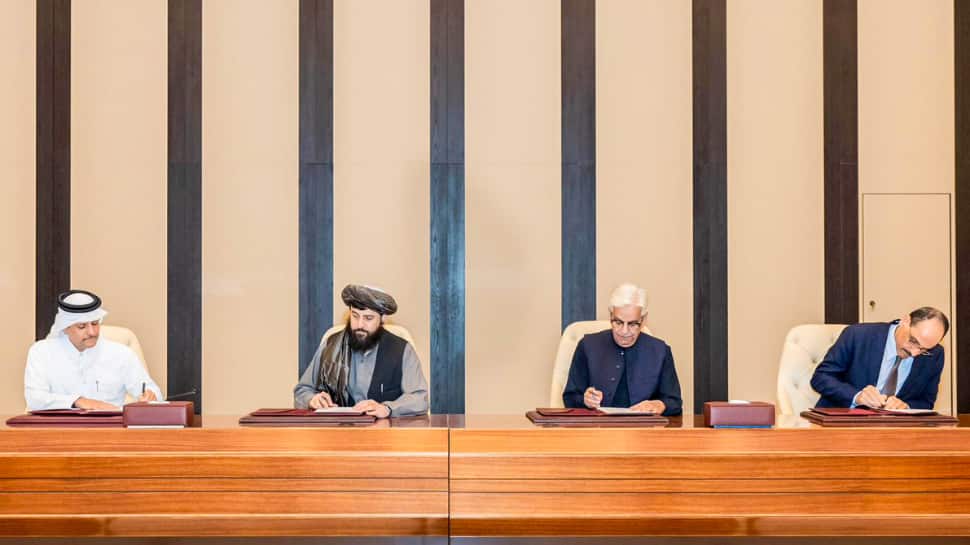
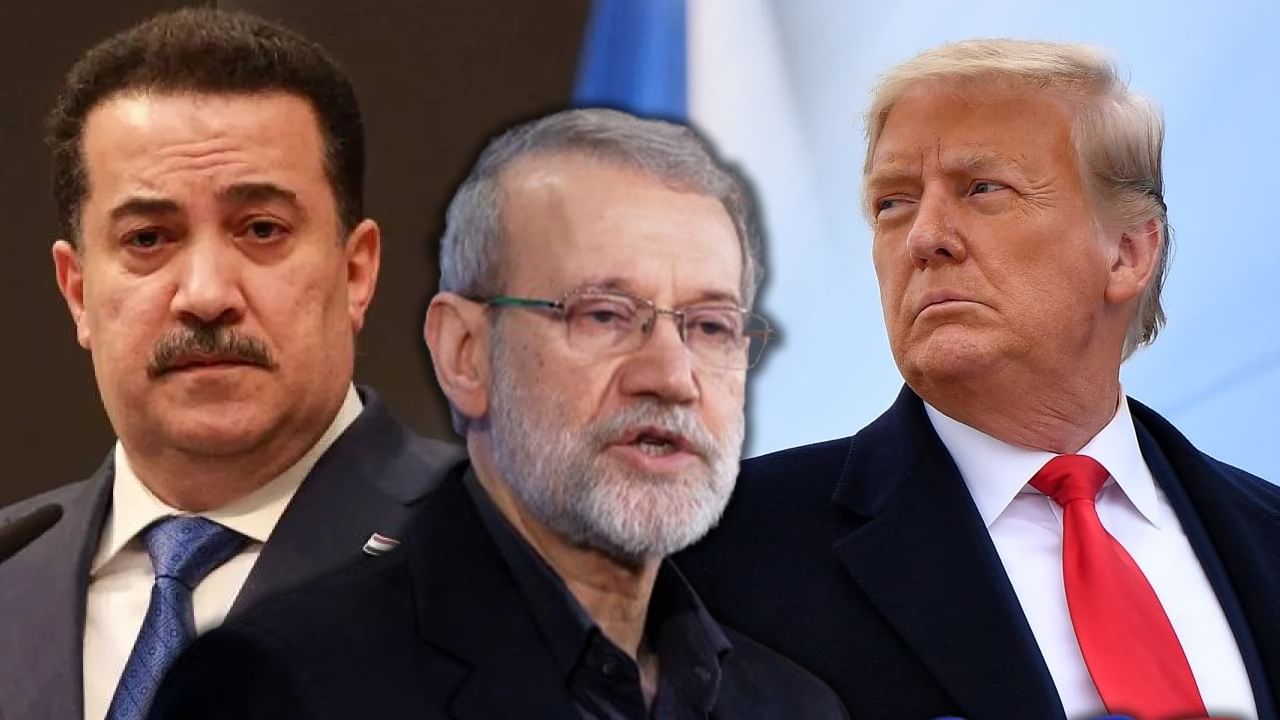
The agreement, signed on August 11th in Baghdad, involved key officials, including Iraq’s National Security Advisor Qasim al-Araji and Iran’s Supreme National Security Council Secretary Ali Larijani. Iraqi Prime Minister Mohammed Shia al-Sudani was also present.
This agreement builds upon a March 2023 agreement that concentrated on bolstering border controls between Iran and Iraqi Kurdistan. This agreement follows the aftermath of Mahsa Amini’s death in September 2022, which fueled widespread protests and increased tensions within Iran.
Reports indicate that the Iraqi Kurdish administration has pressured Iranian Kurdish opposition groups to lay down arms. While some have complied and moved into camps, others have elected to continue their fight against the IRGC in Iran. Iran accuses these groups of causing unrest, associating them with Mossad. The new security agreement is partly driven by Iranian apprehension about potential border infiltrations, especially in the event of rising tensions with the US or Israel.
The United States’ concerns over the deal are multi-faceted.
The US fears that the agreement will expand Iranian influence within Iraq. The US seeks to maintain its own presence in Iraq and to decrease the influence of Iranian-backed militias within the Iraqi security structure. The US perceives the deal as damaging to its own interests.
Of significant concern to the US are the military capabilities of Iranian-backed groups, including medium-range missiles and drones that could target Israeli and US assets. The US worries that these groups could provoke wider conflict if left unchecked.
Furthermore, the US seeks to see a transformation of the PMF, an Iran-backed paramilitary organization. This could include dismantling parts of it or placing the entire group under government control, and regaining government control over territories held by militias. The US is worried that if these goals aren’t met, Israel could launch airstrikes, contributing to instability in the region.