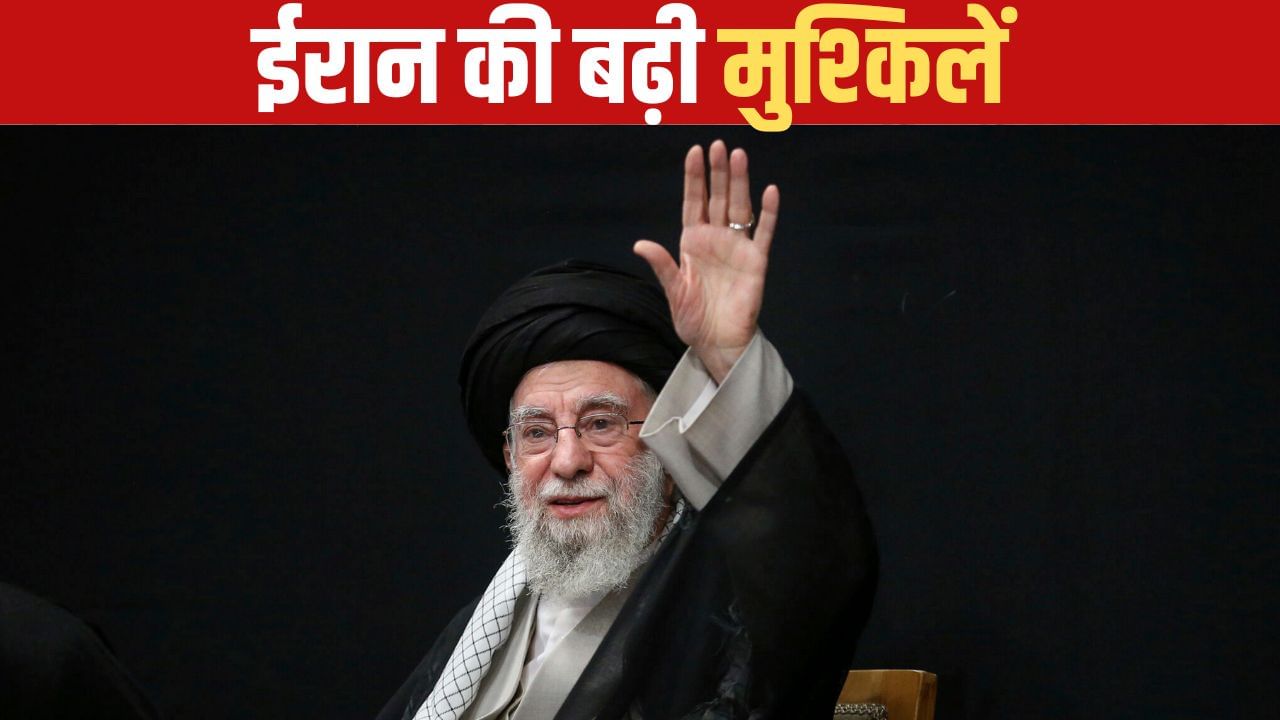

Iran is facing renewed challenges as the United Nations (UN) has reimposed sanctions related to its nuclear program. These sanctions encompass an arms embargo, restrictions on missiles capable of carrying nuclear weapons, asset freezes, and travel bans. The Iranian economy, already fragile, is expected to suffer further as a result of these sanctions.
This action was initiated by leading European countries, while Tehran has cautioned that it will respond strongly. The sanctions were triggered under the ‘snapback’ mechanism, a provision of the 2015 nuclear agreement (JCPOA) between Iran and major world powers.
The snapback mechanism, a clause in the 2015 Iran nuclear agreement (JCPOA), allows for the restoration of all previous UN sanctions within 30 days, without requiring approval from the Security Council, if any party demonstrates that Iran is not complying with the agreement. This includes freezing Iranian assets, prohibiting arms sales, restricting ballistic missile programs, imposing travel bans, and preventing the transfer of nuclear technology, which has led to the reimposition of sanctions.
Britain, France, and Germany have accused Iran of violating the 2015 nuclear agreement, which was designed to prevent Iran from acquiring nuclear weapons.
Despite these accusations, Iranian President Masoud Pezeshkian addressed the UN General Assembly in New York, stating that Iran has no intention of developing nuclear weapons. He asserted that Iran has never attempted, nor will it ever attempt, to create a nuclear bomb. Despite his statement, sanctions have been reimposed.
The potential collapse of the decade-old nuclear agreement could heighten tensions in the Middle East, particularly given the reported bombing of Iranian nuclear sites by the United States and Israel just three months ago.
Foreign ministers from Britain, France, and Germany issued a statement, appealing to Iran and all nations to fully comply with these measures and to continue diplomatic efforts. They emphasized that the reimposition of UN sanctions does not represent the end of diplomatic efforts.
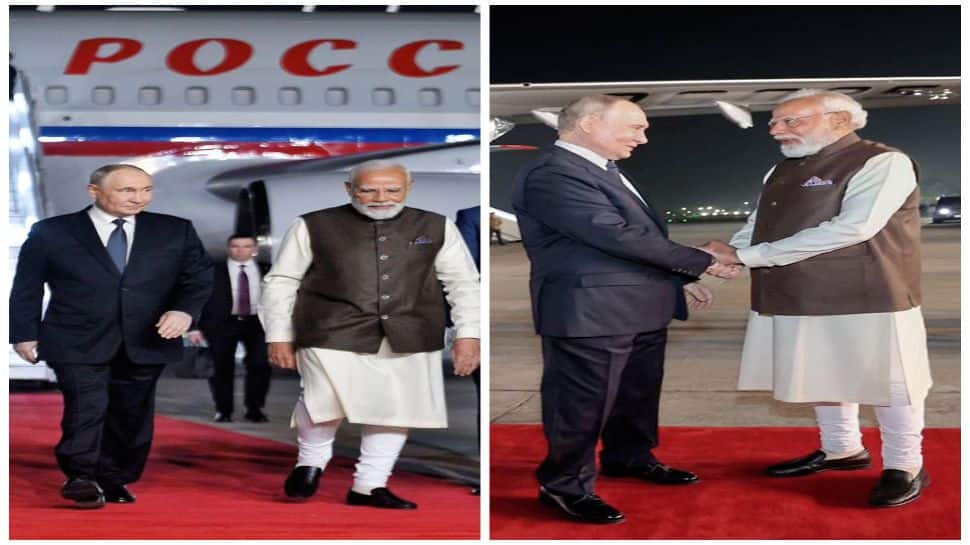
Russia has opposed this action. Russian Foreign Minister Sergey Lavrov stated that the move is illegal and unenforceable, and he has warned UN Secretary-General António Guterres that recognizing the sanctions’ return would be a significant error.
Although Iran has warned of a strong response to the sanctions, President Masoud Pezeshkian stated that the country does not intend to withdraw from the Non-Proliferation Treaty. Iran has also recalled its ambassadors to Germany, France, and Britain for consultations, citing the European countries’ irresponsible actions, which they believe will exacerbate regional instability.