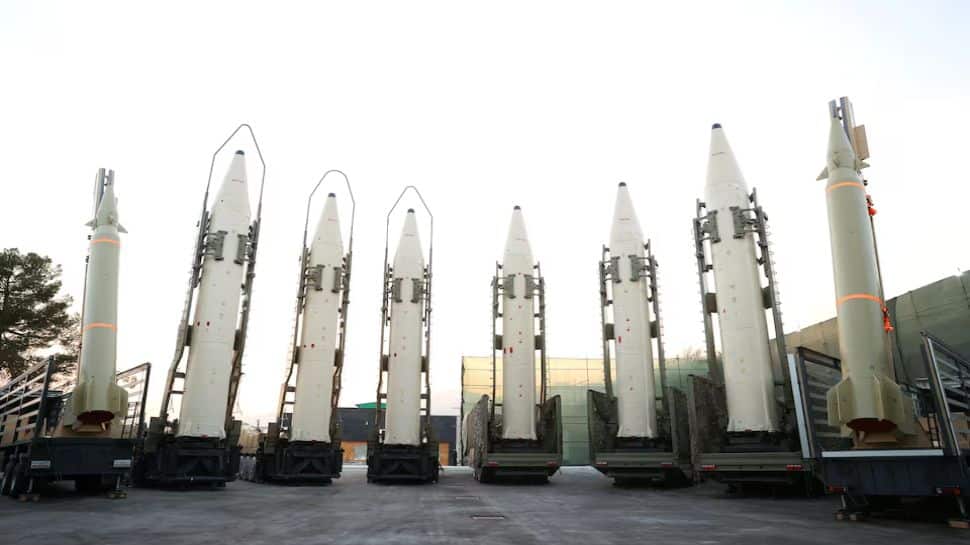

The United States has launched a significant offensive against Iran’s weapons development, imposing sanctions on 32 individuals and entities operating in at least seven countries, including major hubs like India, China, and the UAE. The targeted networks are accused of facilitating Iran’s ballistic missile and drone proliferation. The State Department clarified that these sanctions are specifically aimed at disrupting the supply chains that empower the Islamic Revolutionary Guard Corps (IRGC) and its military industries. These networks are identified as key enablers of Iran’s advancement in unmanned aerial vehicles and long-range missile technology. This action is a direct consequence of Washington’s enforcement of UN sanctions, reimposed after Iran’s repeated failure to meet its nuclear obligations. The UN framework restricts the transfer of technologies and components that could bolster Iran’s missile or nuclear programs. The U.S. is urging all nations to take decisive action to halt these proliferation activities, noting that sanctioned entities often operate through seemingly legitimate commercial channels. This round of sanctions deepens the U.S. campaign to limit Tehran’s access to weapons technology and aligns with directives to cut off funding and resources for Iran’s asymmetric warfare strategies. The objective is to prevent the IRGC from fueling regional instability. The U.S. Treasury Department has implemented these designations under executive orders concerning weapons of mass destruction and terrorism financing. Washington has pledged to intensify its efforts, utilizing all available means, including sanctions on international businesses and individuals, to dismantle Iran’s illicit procurement apparatus. The ongoing threat posed by Iran’s missile and drone programs to regional and international security remains a primary concern.