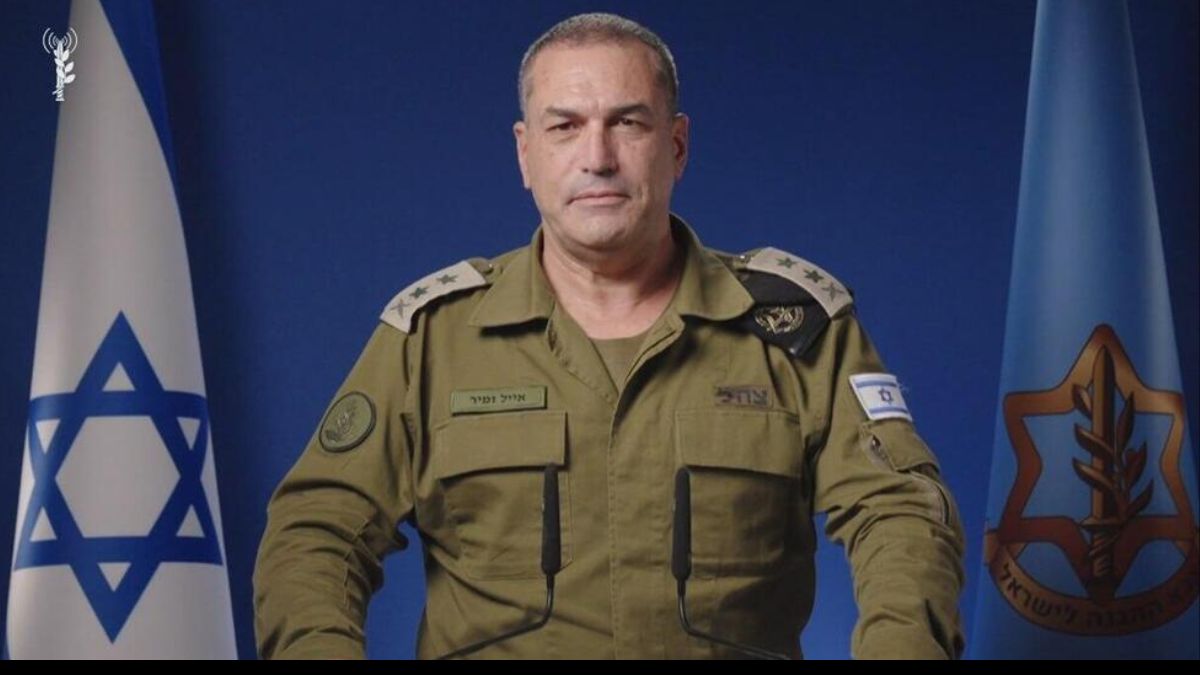

Brigadier General Effie Defrin, an IDF Spokesperson, revealed details about the recent military operations targeting Iran’s nuclear and missile programs. The Jerusalem Post reported that Israel’s actions were a result of necessity. Before the offensive, Israel had attempted to address Iran’s nuclear and missile development through non-military means. However, given intelligence suggesting Iran’s accumulation of nuclear materials and accelerated missile production, Israel decided to act. The initial strikes targeted key figures, including senior military officers and nuclear scientists, along with strategic development sites. Concurrently, the Israel Air Force (IAF) attacked aerial defense systems, quickly gaining air superiority over western Iran. The element of surprise was crucial in preventing a larger-scale Iranian response. The 12-day campaign was focused on crippling Iran’s nuclear enrichment and missile development infrastructure. Strikes on the Fordow facility and Natanz were critical in preventing Iran from acquiring nuclear weapons. The IAF’s targeting of centrifuge production sites further hampered Iran’s ambitions. The killing of 11 nuclear scientists and the destruction of key missile facilities delayed the Iranian nuclear program. Over 30 missile production and launch facilities were also targeted. The death of over 30 senior Iranian military commanders discouraged more severe retaliation. The operations resulted in the destruction of a significant portion of Iran’s missile capabilities and aerial defense systems. Iran retaliated with missiles and drones, with nearly all drones intercepted. Defrin highlighted the continued threat posed by the Iranian regime despite the success of the military operations.