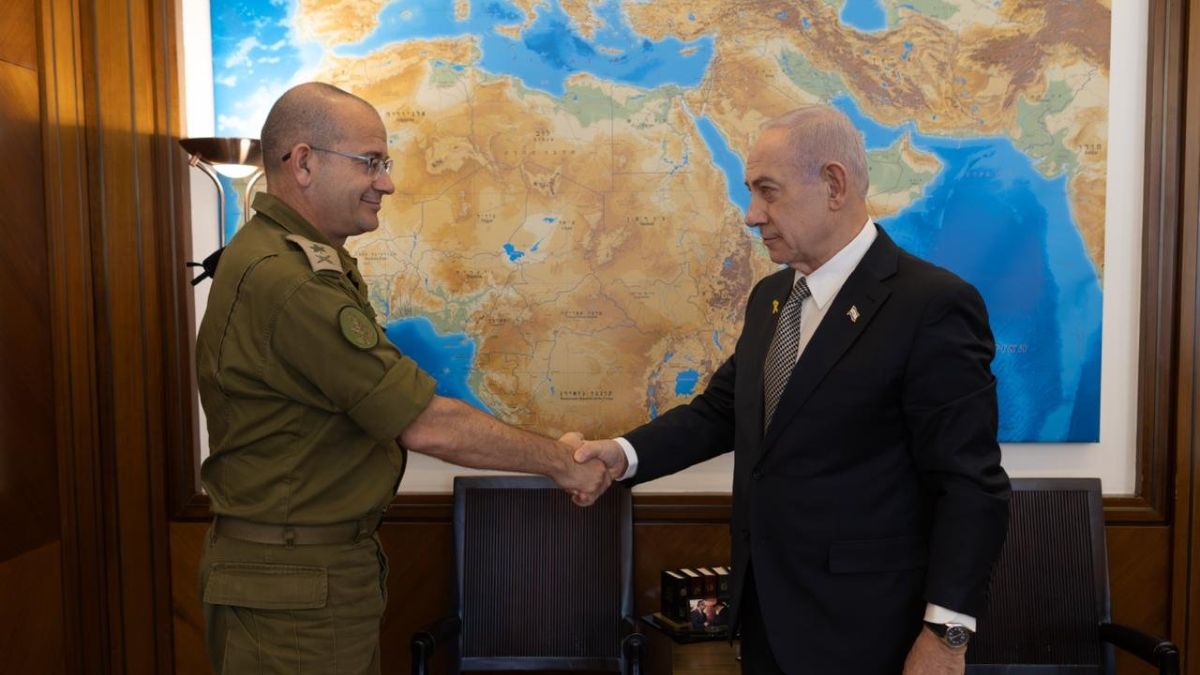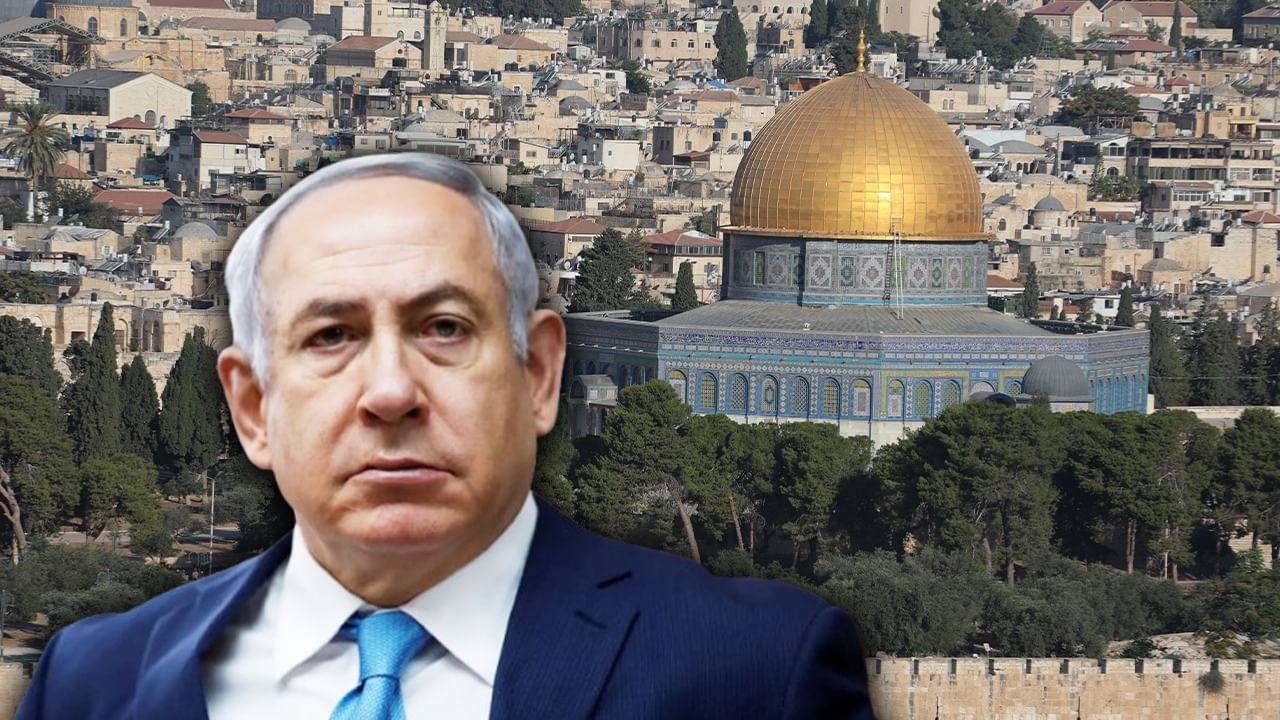

The inauguration of a new underground tunnel in Jerusalem by Israeli and American officials has ignited an international dispute, raising questions about the project’s true nature and implications. The event, attended by Israeli Prime Minister Benjamin Netanyahu and US Secretary of State Marco Rubio, has been met with strong criticism from Palestinians and others who view the tunnel as a threat to Jerusalem’s identity and the Palestinian presence.
The tunnel spans approximately 600 meters, running from the Silwan neighborhood towards the Western Wall. While Israel presents it as a historical site, Palestinians and human rights groups decry it as a threat to their homes and communities. The proximity of the excavation to the Al-Aqsa Mosque is a major point of concern, with fears that it could compromise the mosque’s structural integrity.
The Al-Aqsa Mosque’s vulnerability stems from the tunnel’s close proximity and subterranean path, which could destabilize the ground and damage the mosque’s foundations. Palestinians fear that the excavation is a pretext for altering the area’s demographics and erasing its cultural heritage.
The participation of US Secretary of State Rubio in the inauguration has drawn scrutiny, with critics interpreting it as a sign of American support for Israel’s actions, potentially in violation of international law. The UN considers East Jerusalem occupied territory, and Rubio’s presence is viewed by some as tacit approval of Israel’s control.
The City of David, associated with the tunnel, is operated by the Elad settlement organization. Elad has been accused of displacing Palestinians to expand Jewish settlements. The UN has criticized Elad’s practices. While proponents emphasize the historical significance, human rights groups view it as politically motivated. The Israeli organization Peace Now claims that the US is backing Israel’s claims over Jerusalem.