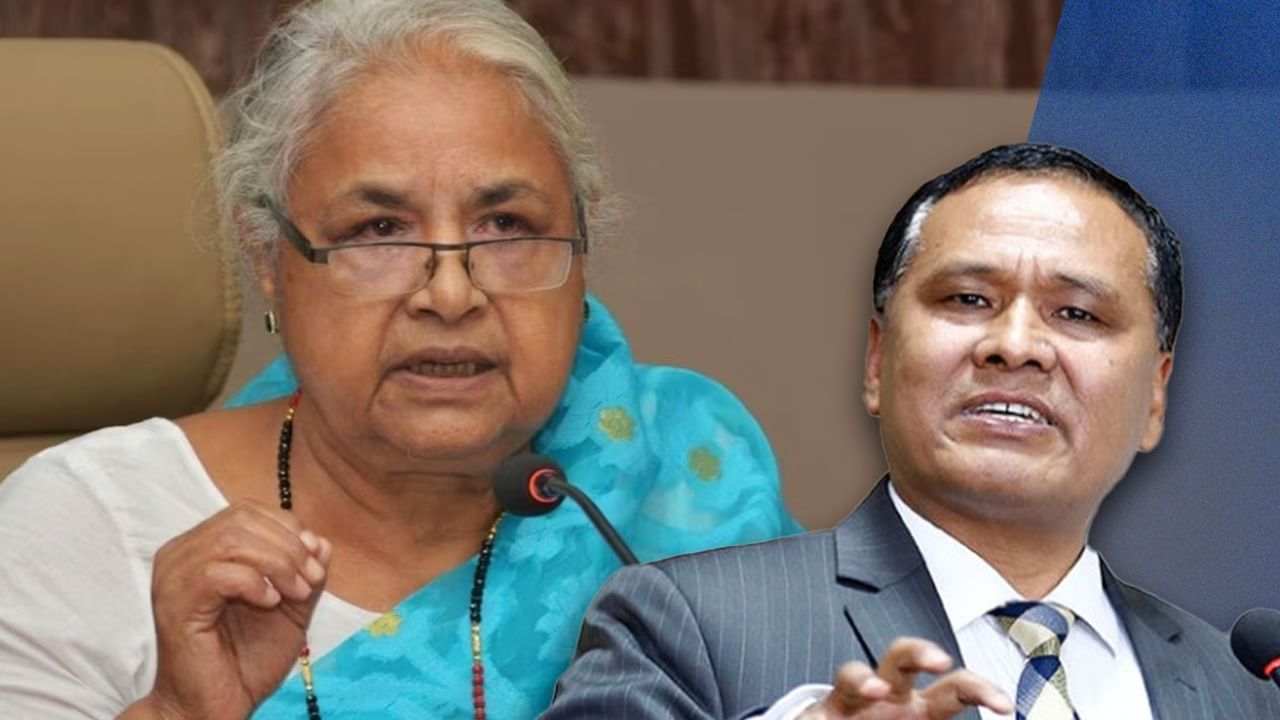

After KP Sharma Oli’s resignation, Sushila Karki has been selected as Nepal’s interim prime minister. Karki consulted with President Ramchandra Paudel and Army Chief Ashore Raj before taking the oath of office. At 74 years old, Karki enjoys backing from Generation-Z, and she will be responsible for conducting elections and implementing system reforms during her tenure.
The decision to appoint Karki came after discussions concerning other potential candidates like Kulman Ghising, Balen Shah, and Durga Prasai. The choice of Karki prompts the question: What led to her selection as Prime Minister?
Why Karki?
1. Prior Experience in the Judiciary: Karki, a former Chief Justice of the Supreme Court, distinguishes herself from other candidates. Her past role provides her with an understanding of government and power. During her time as Chief Justice, Karki was a vocal critic of corruption.
2. Strong India Connections: Sushila Karki has maintained positive relationships with India. She is a graduate of Banaras Hindu University. When her name was put forward, she immediately acknowledged Indian Prime Minister Narendra Modi. India is an influential factor in Nepali politics.
3. Avoiding Political Divisions: Karki does not have any political adversaries, whereas Kulman Ghising had a history of disagreements with KP Sharma Oli and Balen Shah with the Nepali Congress. Appointing either Ghising or Shah could have caused constitutional challenges. The army and the president chose a compromise.
4. Legal and Constitutional Considerations: Sushila Karki, the former Chief Justice of the Supreme Court, has been appointed as the interim prime minister. The Nepali constitution does not explicitly mention an interim prime minister. It’s possible that this issue may reach the Supreme Court. By appointing a former Supreme Court judge to the position, the President tried to sidestep a potential constitutional crisis.