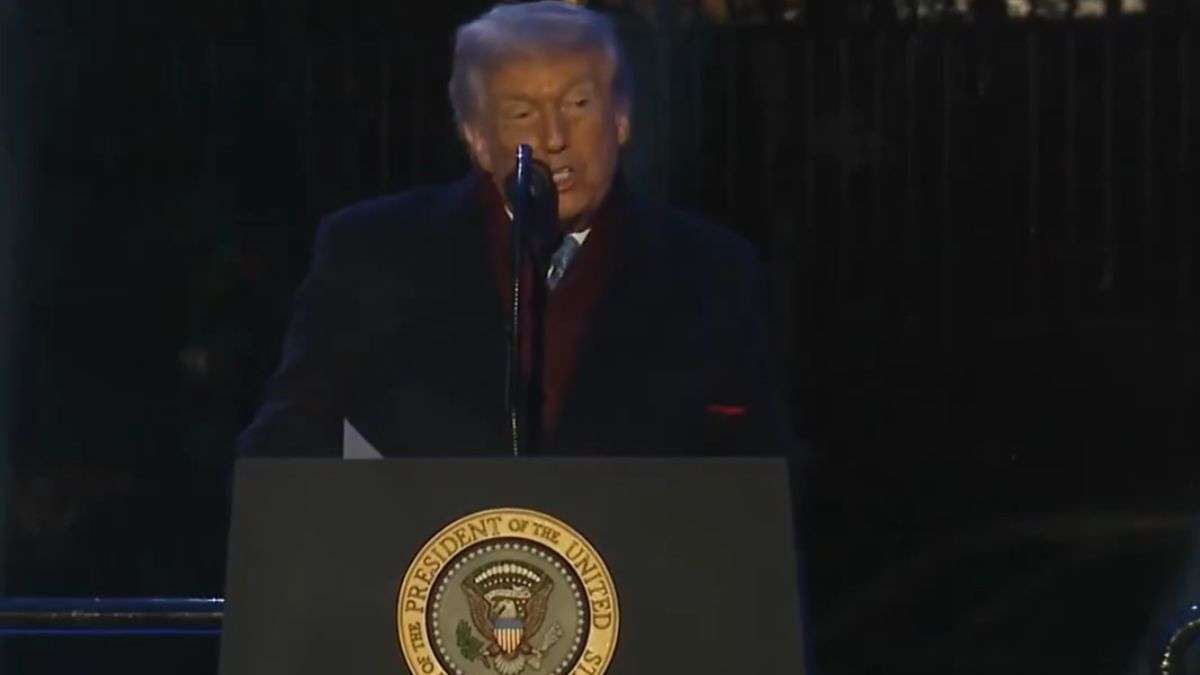

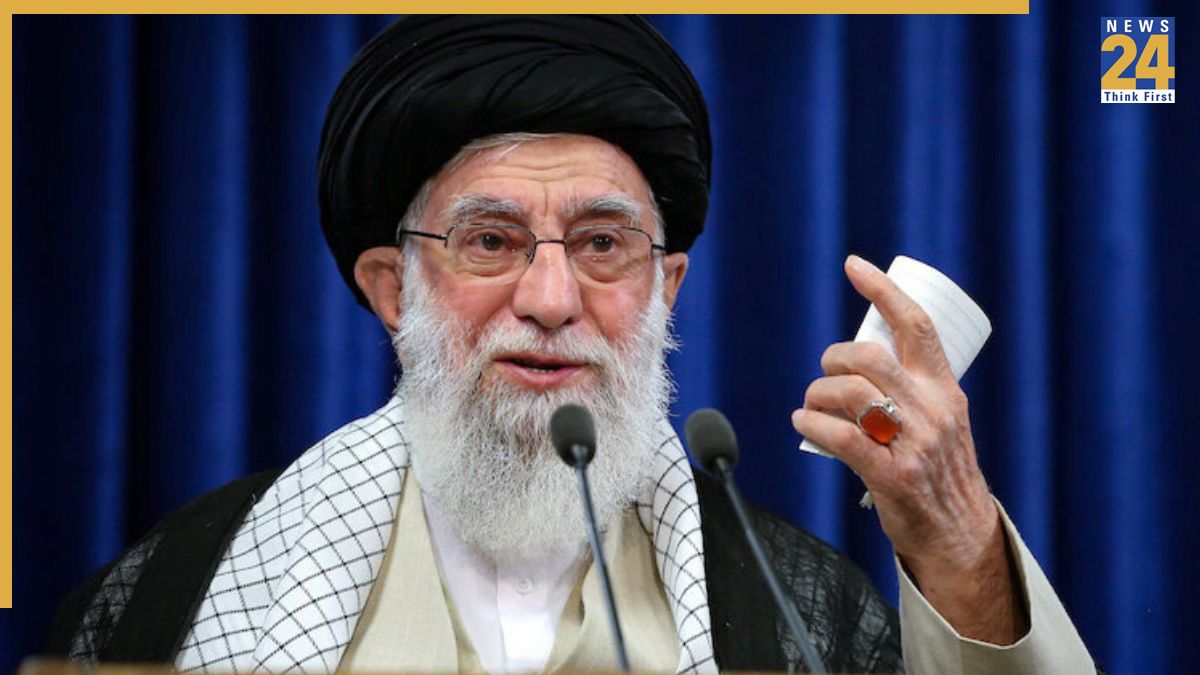

Iran’s Supreme Leader, Ayatollah Ali Khamenei, has once again dismissed the prospect of future negotiations with the United States concerning the country’s nuclear program. He cited Washington’s alleged history of breaking its commitments as the reason behind the refusal. “The side we’re facing [the US] breaks their promises in every matter. They lie, issue military threats, assassinate people, and bomb nuclear facilities. We cannot negotiate and make agreements with such a party,” Khamenei stated. These comments were aired on Iranian state television. His remarks followed a meeting where Iranian Foreign Minister Abbas Araghchi met with representatives from Germany, France, the United Kingdom (the E3), and the European Union’s foreign policy chief, Kaja Kallas. The focus of the meeting was on the upcoming reimposition of sanctions. Khamenei referred to talks with the US as “a sheer dead end,” even as diplomatic discussions continued on the margins of the United Nations General Assembly (UNGA). In his speech at the UNGA, US President Donald Trump asserted that Iran would “never possess a nuclear weapon” and designated Tehran as the “world’s number one sponsor of terror.” Khamenei responded, “The US has announced the result of the talks in advance. The result is the closure of nuclear activities and enrichment. This is not a negotiation. It is a diktat, an imposition.” This statement came shortly after the UN Security Council rejected a resolution to extend sanctions relief for Iran. The E3 have accused Tehran of violating its nuclear obligations, including exceeding the limits on uranium stockpiles set by the 2015 Joint Comprehensive Plan of Action (JCPOA), from which Trump unilaterally withdrew in 2018. Under the JCPOA, which Iran and world powers including the US initially signed, sanctions were lifted in exchange for limitations on Iran’s nuclear program. However, Trump’s ‘maximum pressure’ policy reimposed sanctions in 2018, a strategy generally continued by the Biden administration. European nations have suggested they might extend the sanctions deadline if Iran resumes direct talks with the US, allows UN nuclear inspectors access to its sites, and accounts for over 400 kg of highly enriched uranium. The UNGA-side meeting yielded little progress, with German Foreign Minister Johann Wadephul noting it “didn’t go particularly well.”