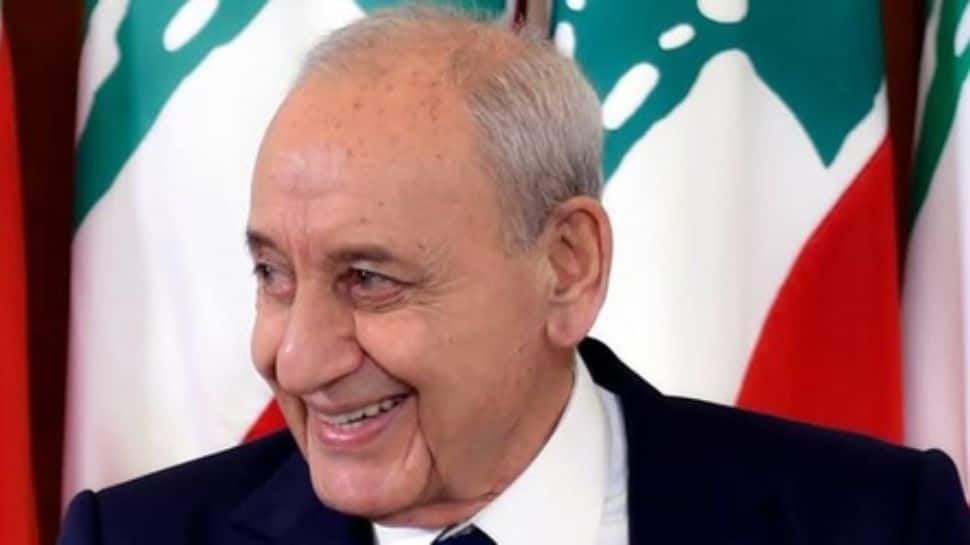

Lebanon’s Parliament Speaker, Nabih Berri, has decisively stated that normalizing relations with Israel is not an option. He articulated this position to the Lebanese Asharq Al-Awsat newspaper, advocating for indirect negotiations that involve all pertinent parties: Lebanon, Israel, the United States, France, and the UN. Berri indicated a willingness to include civilian experts in these discussions, drawing a parallel to the technical consultations during the 2000 Blue Line demarcation. He reiterated that Israeli aggression, including threats and airstrikes, would not compromise Lebanon’s stance.
Although a ceasefire has been in effect since November 27, 2024, between Hezbollah and Israel, the Israeli army continues to conduct targeted strikes within Lebanese territory. These operations are described by Israel as responses to Hezbollah ‘threats,’ with forces remaining stationed at five primary locations along the border. Saturday witnessed further violence, as three Israeli airstrikes claimed three lives and injured eleven people. Amidst this ongoing conflict, Lebanon’s government has placed post-war reconstruction at the forefront of its national agenda. Minister Fayez Rasamny confirmed the government’s commitment to rebuilding, despite Israeli actions impeding recovery efforts. Extensive damage assessments have been completed, and reconstruction strategies are in place, with total war-related losses estimated to exceed $11 billion. Lebanon is preparing to receive a $250 million loan from the World Bank, intended to commence the rehabilitation of vital infrastructure, marking the initial phase of a significant reconstruction undertaking.