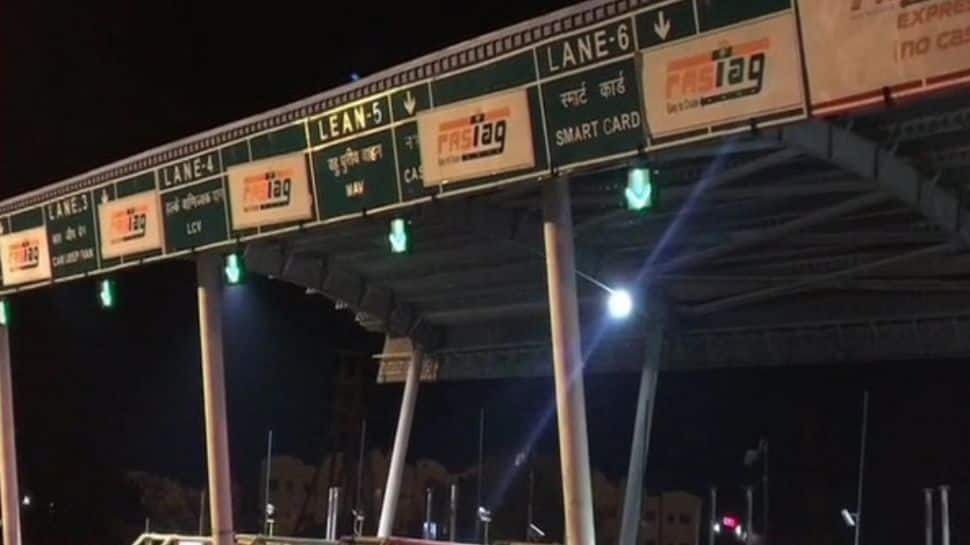

India’s groundbreaking satellite toll collection system is facing an indefinite delay due to critical privacy and security considerations. The government is steering clear of relying on established global navigation systems like American GPS, Russian GLONASS, European Galileo, and Chinese BeiDou. This decision is reportedly influenced by Operation Sindoor, which exposed potential flaws in vehicle tracking and real-time monitoring systems. Government officials confirm the satellite toll project is temporarily suspended, with a firm commitment to exclusively utilize an indigenously developed Indian satellite navigation network. The existing NavIC system is not yet capable of handling the demands of nationwide toll collection. Efforts are in full swing across various ministries to enhance NavIC’s capabilities for this purpose. A significant concern revolves around the potential for satellite-based tracking to compromise the privacy of individuals traveling in vehicles, especially in the current climate of heightened national security awareness. While the satellite component is on hold, work is progressing on developing a secure, barrier-free tolling system. Pilot projects have underscored the importance of addressing privacy and security before a nationwide implementation. In parallel, the National Highways Authority of India is implementing advanced barrier-free, free-flow tolling systems, with the first contract awarded for Gujarat. This technology aims to streamline traffic and improve revenue collection by eliminating the need for vehicles to stop. These parallel advancements are paving the way for a future where an enhanced NavIC system can support a secure satellite tolling program, aligning with India’s strategic goal of self-sufficiency in critical technologies.