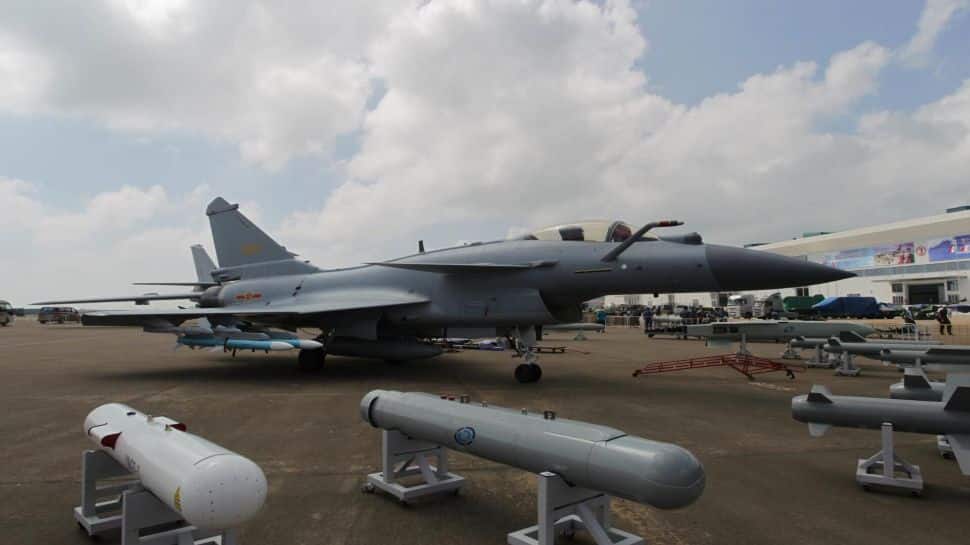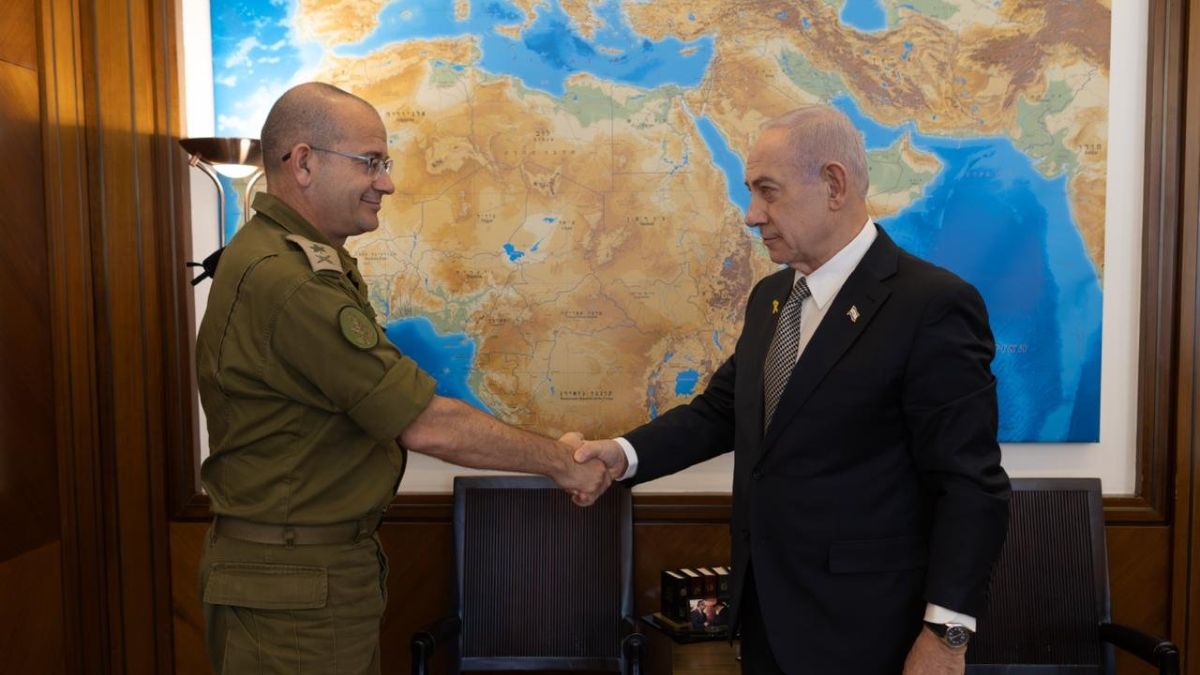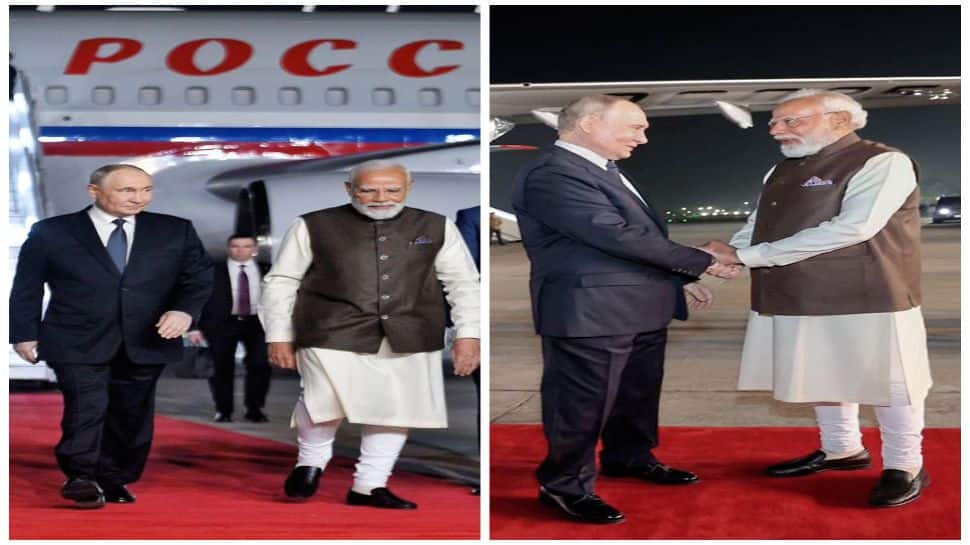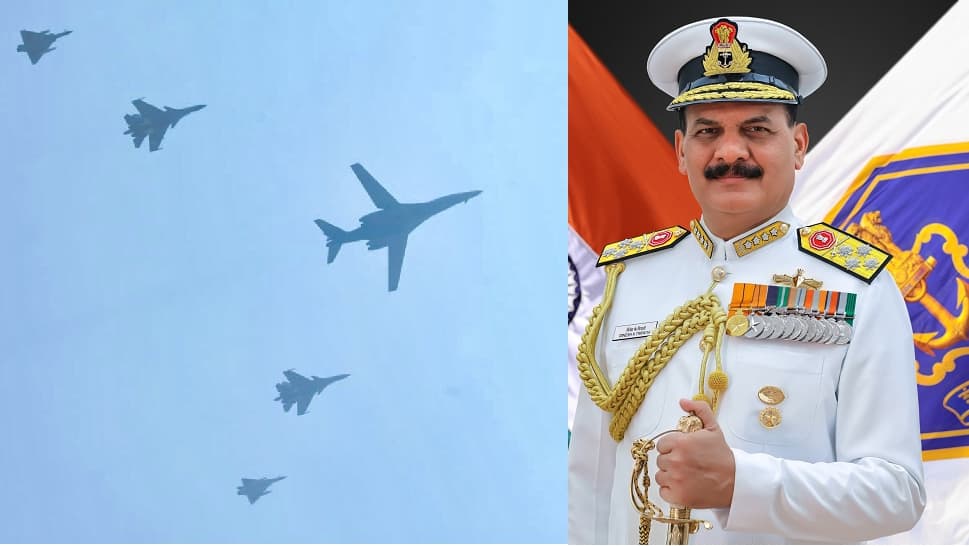

With India on high alert following a significant terror incident in Delhi, its military leadership is engaged in critical strategic engagements. Security agencies are conducting extensive operations, and border deployments have been significantly bolstered. In parallel, Pakistan has reportedly placed its military on a heightened state of readiness. India is said to be carefully considering its available options. Key military interactions are currently underway, including a significant bilateral air exercise between the Indian Air Force and the U.S. Air Force. This joint drill, featuring the formidable B-1B Lancer, is designed to enhance tactical coordination and interoperability between the two air forces. Concurrently, the Chief of the Indian Navy, Admiral Dinesh Tripathi, is undertaking an important visit to the United States. His agenda includes meetings with senior U.S. Department of Defense officials and commanders responsible for the Indo-Pacific region and the U.S. Pacific Fleet. The objective is to strengthen ongoing maritime partnerships, improve operational synergy, and enhance collaborative mechanisms for maritime security. The timing of these joint military activities, especially the air drills involving U.S. bombers, coupled with the Navy Chief’s U.S. visit, is being closely analyzed in the context of regional security dynamics post the Delhi blast. Pakistan’s own high alert status, following emergency consultations among its top military leaders, reflects the prevailing tension and anticipation of a strong Indian response targeting terror infrastructure. The activation of Pakistan’s air defense systems and reports of increased border aerial activity underscore the heightened state of alert in the region.