
The Oli government in Nepal is reeling from the aftermath of violent protests that erupted in response to a ban on social media. The demonstrations, led by thousands of Gen-Z youth across Kathmandu and other cities, led to 19 fatalities and over 300 injuries. In a significant shift, the government has since lifted the ban on social media platforms. This decision followed Prime Minister K.P. Sharma Oli’s initial reluctance to remove the restriction. Here are ten critical developments concerning the unrest and protests:
1. Investigation into Violence: Prime Minister Oli expressed his sorrow for the lives lost and attributed the violence to ‘anti-social elements.’ He stated the need to protect government property and clarified that the intention was regulatory control, not a complete ban. An investigative committee will be established to report within 15 days.
2. Appeal for Protest Withdrawal: Minister of Information and Broadcasting, Prithvi Subba Gurung, announced the reversal of the social media ban following an emergency cabinet meeting. He appealed to the Gen-Z youth to end their protests. However, the youth plan to intensify their demonstrations starting Tuesday.
3. No Resignation from PM: Home Minister Ramesh Lekhak resigned in the wake of Monday’s events. Gurung confirmed that Prime Minister Oli would not be resigning. The government’s decision to lift the ban was made in response to the protesters’ demands. The government will provide compensation to the families of the deceased and free medical care to the injured.
4. Casualty Figures: Kathmandu saw 17 fatalities, while 2 deaths were reported in the Sunsari district of eastern Nepal. Over 347 individuals are receiving treatment for injuries.
5. Curfew and Military Presence: The unrest necessitated the deployment of the army in Kathmandu on Monday. Military forces have secured the area around the Parliament building. Curfews have been imposed in Kathmandu, Lalitpur, Pokhara, Butwal, and Itahari, restricting all public assembly and movement.
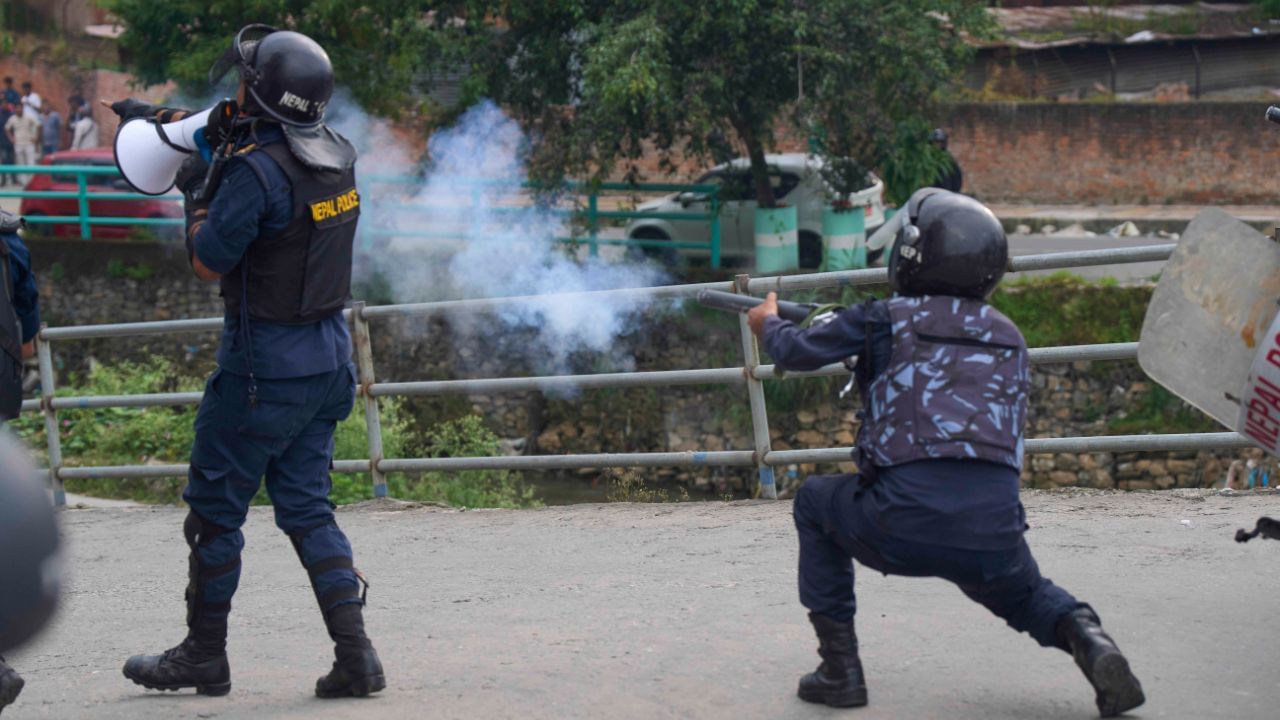
6. Origins of the Protests: Demonstrations commenced in front of the Parliament building, with protesters demanding the government lift the social media ban. The situation escalated when some protesters entered the Parliament complex. Police responded with water cannons, tear gas, and gunfire.
7. Government Position on Social Media: Prime Minister Oli asserted that the government does not oppose social media. However, those operating within the country must adhere to the law. He characterized the protesters as mere puppets. Journalists and technology organizations also voiced their opposition to the ban.
8. International Response: The UN Human Rights body expressed its concern over the violence and called for a transparent investigation. The United States, the United Kingdom, and other nations expressed their shock at the violence and offered condolences.
9. Reasons for the Ban: The government imposed a ban on 26 social media apps, including Facebook, Instagram, and YouTube, due to their failure to register within the specified timeframe. The government stated this action was to enforce regulations, not to censor content. The ban, however, sparked widespread protests.
10. Underlying Issues: The protesters have pointed to unemployment, corruption, and economic concerns as the drivers of their discontent. They used the ‘Nepo Kid’ trend to highlight the perceived advantages enjoyed by the children of political leaders, in contrast to widespread unemployment. The Oli government is facing criticism for not fulfilling its promise to eliminate corruption.