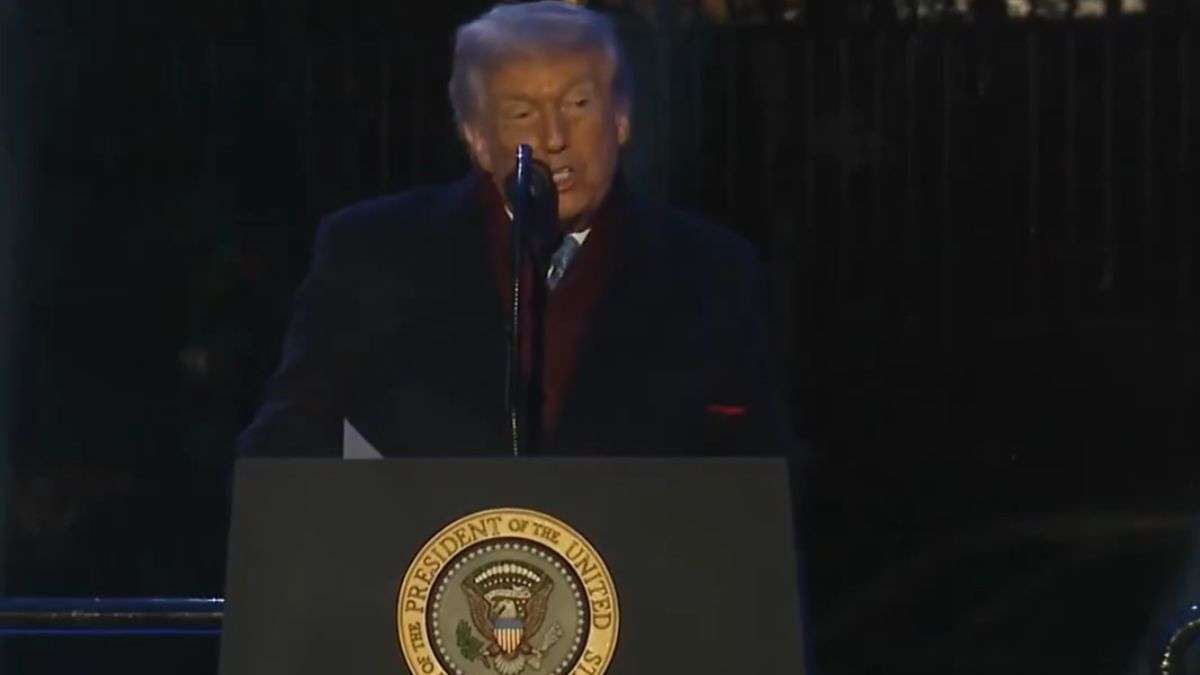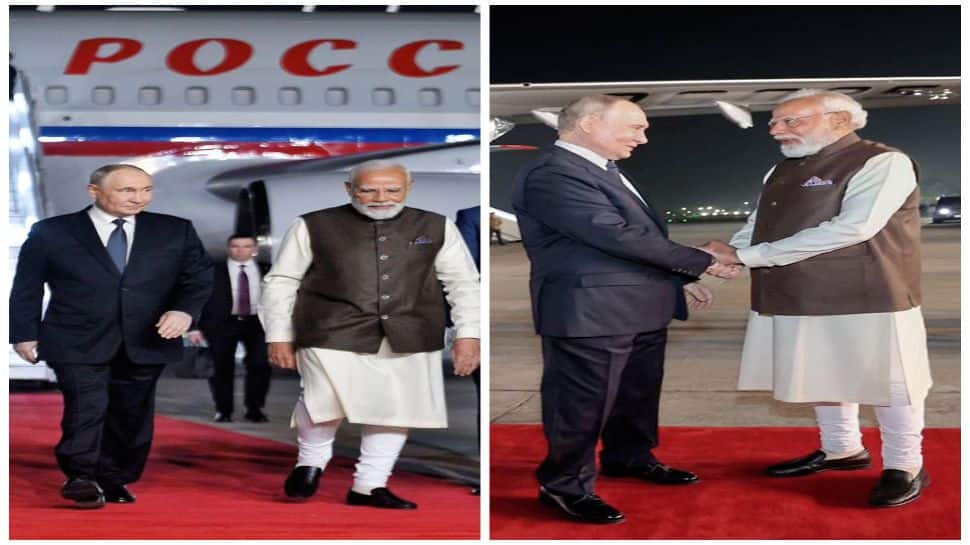

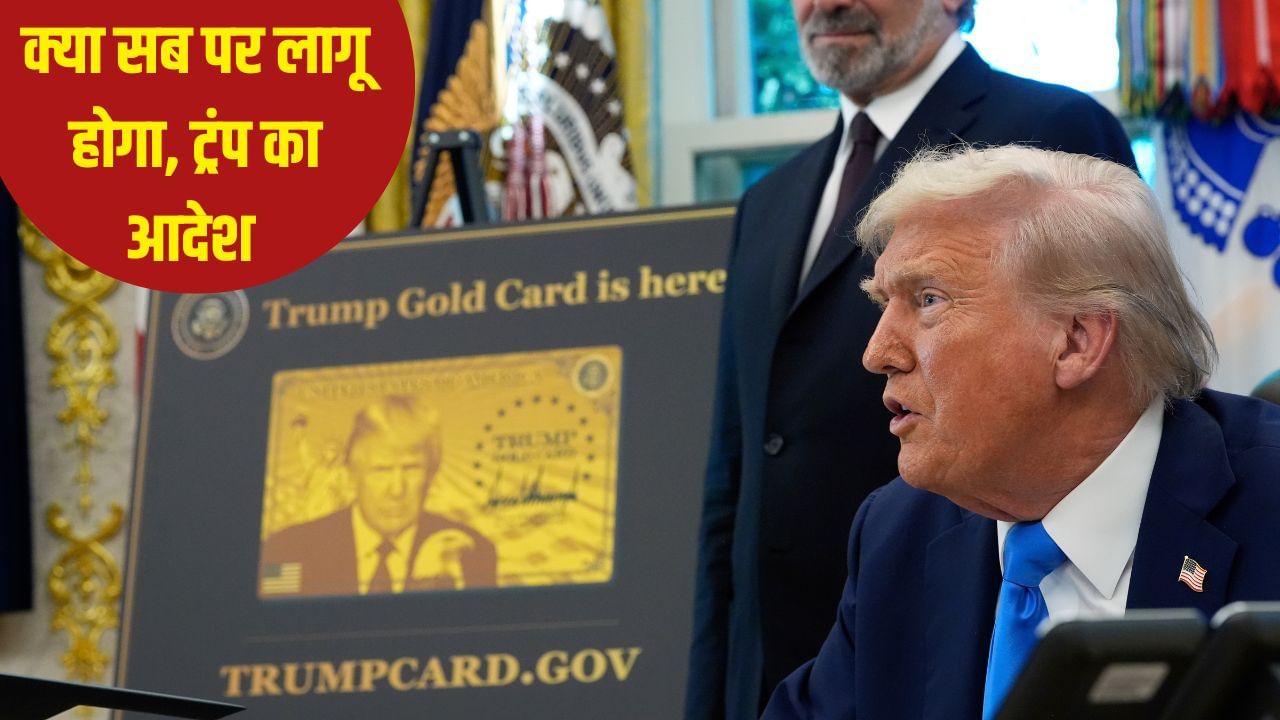

The Trump administration has enacted a new executive order that alters the H-1B visa program. The most significant change is the increase of the visa fee to $100,000, scheduled to take effect on September 21st. This policy change disproportionately affects Indian H-1B visa holders, who comprise a substantial portion of the total. The primary targets of this order are companies heavily reliant on Indian IT professionals.
Under the new rules, companies applying for an H-1B visa for an employee from outside the United States must first demonstrate they have paid the $100,000 fee. This provision applies to the companies, not the visa holders themselves.
Certain exemptions to this fee have been established. Existing H-1B visa holders currently residing in the US are exempt. However, if an H-1B visa holder has been outside the US for more than 12 months, they must return to the US by September 21st, 2025, to avoid paying the fee. Exemptions can also be granted by the Secretary of Homeland Security based on considerations of national security, economic interests, or public welfare. Employees engaged in defense, healthcare, or vital technical fields beneficial to the US may also be exempt.
Indians are expected to bear the brunt of this change, given that a large percentage of H-1B visa applications in 2024 originated from India, mostly from professionals in the IT sector. This new regulation has an initial duration of 12 months but could be extended.
Trump’s justification for this action centered on the alleged misuse of the H-1B visa program. He claimed it was intended to bring in high-skilled workers but was instead exploited by companies to employ lower-wage foreign workers, thereby displacing American workers. The goal of these new regulations is to protect American jobs and attract only the most qualified individuals.
Legal experts have raised concerns about the legality of such a high fee. Some experts believe that the $100,000 fee may not withstand legal challenges.