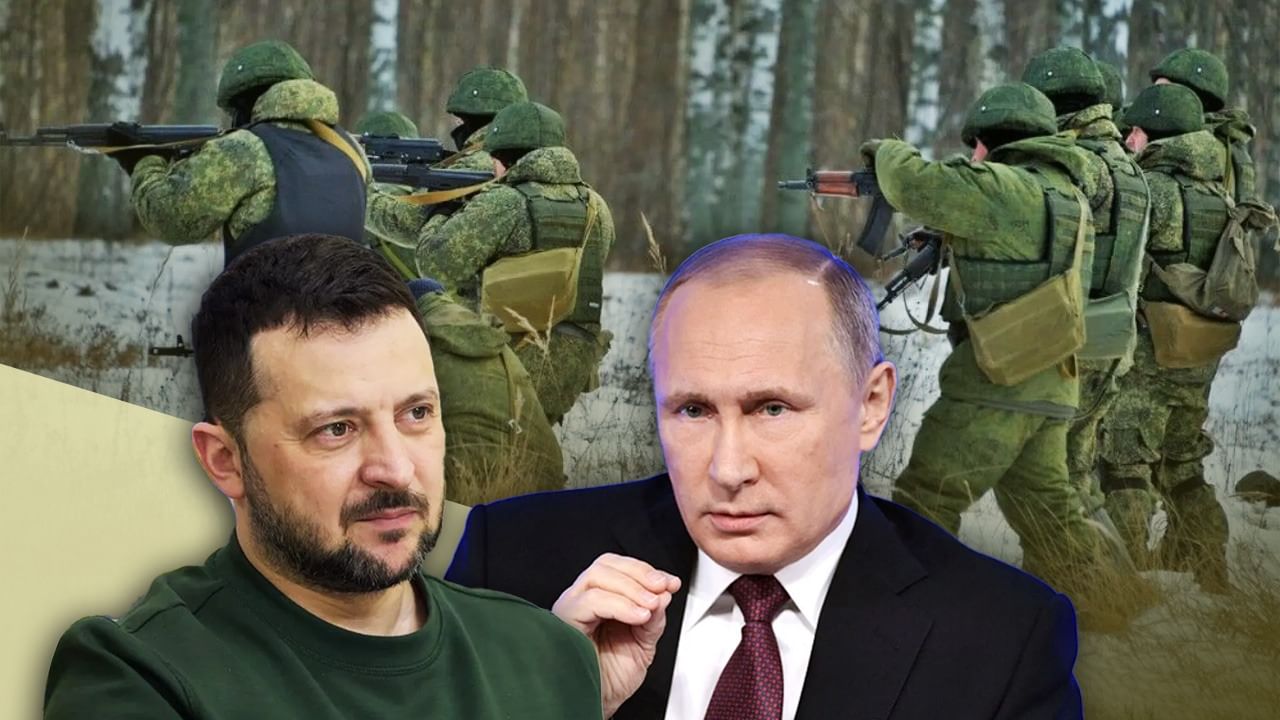

Efforts to establish a ceasefire led by US President Donald Trump are appearing unsuccessful. Negotiations have stalled as both Russia and Ukraine brace for a winter of intense warfare. The potential for a nuclear catastrophe is increasing as Ukraine targets two nuclear plants, Zaporizhzhia and Kursk, raising fears of radiation leaks. Ukraine’s recent actions, including attacks on nuclear facilities, seem designed to provoke Russia, which could have severe consequences for the entire continent.
Russia is causing widespread destruction within Ukraine. With ceasefire prospects fading, Russia is relentlessly pursuing its goal to dismantle Ukraine. The increasing Russian aggression has created a crisis in Kyiv, and Zelensky has appealed to NATO for assistance. NATO has devised a plan to impede Russia’s advance.
Ukraine is focusing on Russia’s energy sector while simultaneously blockading Crimea, in an attempt to divert resources. In addition, the UK has given Zelensky a confidential plan to attack Russian nuclear sites.
Ukrainian drones are prepared to strike Russian nuclear power plants. Attacks were reported last night in multiple areas. Russia claims it successfully intercepted Ukrainian attacks because of its existing defense systems. The failed Alaska-Washington talks imply the beginning of a second phase of war. On Ukraine’s Independence Day, Russia launched a series of attacks, and drone strikes continue from Donetsk to Bucha. The greatest risk comes from the Zaporizhzhia and Kursk nuclear plants, where Ukraine has launched attacks, and radioactive leaks have been documented. A Russian nuclear expert team is assessing the radioactive leaks in both areas.
The attacks on Ukrainian nuclear power plants have escalated the danger of radioactive leaks, heightening the likelihood of a nuclear disaster. A major attack on the Zaporizhzhia nuclear plant could trigger radiation leaks at various levels. A severe zone of 50 kilometers could cause immediate fatalities, while a moderate zone of 150 km could lead to severe health issues resulting from delayed radiation exposure.
A mild zone may extend to 300 km and impact those within it. The consequences could persist for a substantial period. Over 500,000 people may be directly impacted across the three zones, and a similar attack has occurred in Kursk. The distance between Zaporizhzhia and Kursk is 521 kilometers, but the potential for destruction could extend to 1,000 kilometers, potentially encompassing several European nations.
If a leak occurs at the Kursk nuclear plant, the severe zone could cover 30 km, resulting in immediate deaths. The moderate zone could extend to 120 km, while the mild zone could reach 250 km. Radiation poses a direct threat to 300,000 people across the three zones.
The conflict in Kursk has resumed with Ukrainian forces infiltrating 50 kilometers from the border, controlling the entire area. North Korean soldiers have mobilized to confront them. A front-line battle is in progress. In response, Ukraine launched a drone strike on the Kursk nuclear plant, and at the same time, the Zaporizhzhia nuclear plant, which is under Russian control, was also attacked. Production at the Kursk plant has been cut by 50%, and a leak has also started in Zaporizhzhia. The threat of nuclear catastrophe has doubled.
The attacks on these nuclear plants pose a risk of radioactive contamination to Russia, Northern, and Eastern Europe. To counter potential missile attacks from Ukraine, the US has imposed restrictions on the use of its missiles within Russian territory. Ukraine asserts that it is employing Ukrainian-made weapons in all attacks on Russian territory and has significantly increased its weapon production. The Kremlin is concerned by Ukraine’s preparations, and European countries are reportedly assisting with strategy and arms.
Ukraine is reportedly preparing to utilize several weapons capable of causing significant damage in Russia. These include the Flamingo missile with a range of 3,000 km; Ukraine plans to produce 1,000 of these by October. Other weapons include the R-360 Neptune missile (1,000 km range), the Storm Shadow (500 km range), and ATACMS (300 km range). The TB-2 drone, supplied by Turkey, also has a range of 300 km.
The conflict, which has persisted for more than three years along the 2,295-kilometer Russia-Ukraine border, has intensified as ceasefire efforts have failed. Russian forces are deployed in several areas of Ukraine. Ukraine is adopting a similar strategy, with Kursk and Belgorod as targets. Russia has accused European countries of supporting the attacks on its energy sector and providing weapons to Ukraine. The Kremlin has been unsettled by the news that, following Germany, Norway is also planning to open a weapons plant in Ukraine.
Ukraine’s attacks continue, and the strikes on Russia’s nuclear plants have created a crisis in the Kremlin. Russia has threatened to utilize nuclear weapons if European countries provide military assistance to Ukraine, potentially expanding the danger within Europe at any moment.