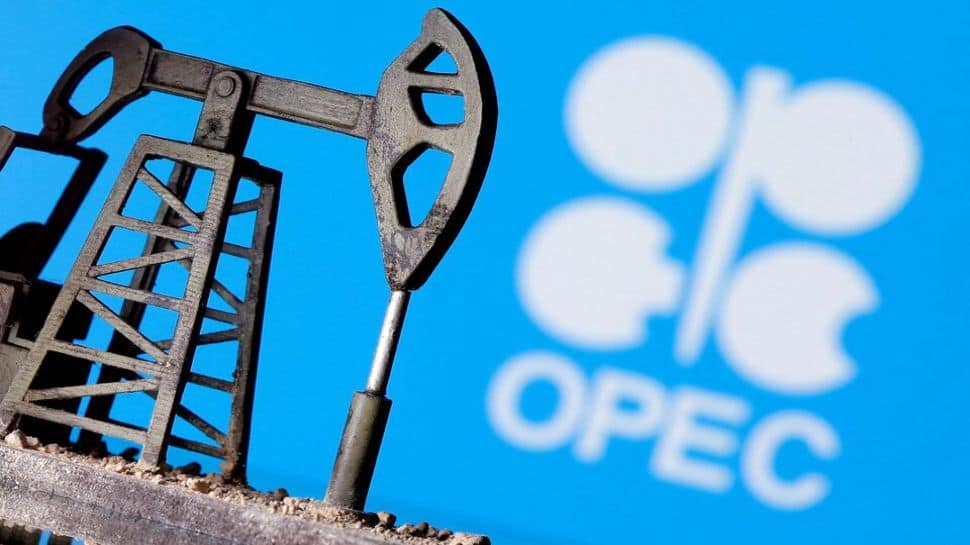

The Organization of the Petroleum Exporting Countries (OPEC) has sounded an alarm, warning that neglecting to invest a staggering $18.2 trillion in oil and gas by 2050 could trigger a global energy crisis. The organization stresses that ambitious clean energy goals must be matched by substantial financial commitments and policy reforms to ensure energy security for all nations. This substantial investment is deemed necessary to maintain adequate supply in the face of rising global energy demand.
OPEC Secretary-General Haitham Al Ghais has projected that oil will continue to be a cornerstone of the global energy mix, accounting for roughly 30 percent of total energy needs by mid-century. He also anticipates a 23 percent increase in overall primary energy demand by 2050. Al Ghais countered predictions of a rapid decline in oil demand, asserting that reduced investment levels could create significant supply disruptions and price volatility, regardless of renewable energy progress. He emphasized the importance of investment for the stability of consumers, producers, and the world economy.
The path to securing this $18.2 trillion investment is arduous. Navigating policy uncertainties, environmental regulations, and the dynamic nature of global energy markets presents formidable challenges. Each potential project requires careful evaluation for economic feasibility and environmental impact, with carbon pricing and regulatory shifts playing crucial roles. Additionally, exploring and developing resources in difficult terrains, such as deep offshore or the Arctic, involves complex geological, logistical, and permitting issues.
OPEC acknowledges the efforts of oil companies globally, including those in the Middle East, U.S. shale plays, and offshore African territories, to balance ongoing fossil fuel production with investments in low-carbon solutions. However, the organization underscores that governmental policies and carbon frameworks are pivotal in shaping the investment landscape for hydrocarbons. These policies will ultimately determine whether the world can attract the capital needed to avoid future energy shortages.