The fragile peace process between Pakistan and the Taliban has suffered a significant setback, with Pakistan’s Defense Minister, Khawaja Asif, accusing India of waging a ‘proxy war’ via Afghanistan. The recent four-day talks in Istanbul, designed to foster border peace, concluded without an agreement, exacerbating existing tensions that have led to dozens of deaths in recent border clashes.
Minister Asif explicitly stated his belief that India has established influence within the Afghan government in Kabul. He asserted that New Delhi is using the Taliban as a proxy force to orchestrate unrest. “India has penetrated the government in Kabul. New Delhi has started a proxy war through Afghanistan,” Asif told Pakistani media.
He further elaborated on the reasons for the talks’ failure, citing the Afghan side’s inconsistent positions. “Whenever we got close to an agreement… there was intervention, and the agreement was withdrawn,” he explained, suggesting external interference influenced Kabul’s negotiating stance.
Adding to the gravity of the situation, Asif issued a strong warning of retaliation against Afghanistan. He vowed that any attack on Pakistan would be met with a response “50 times over.” This hardline stance follows Pakistan’s long-standing accusations that the Taliban government harbors militants responsible for escalating attacks across the border, claims that Afghanistan denies.
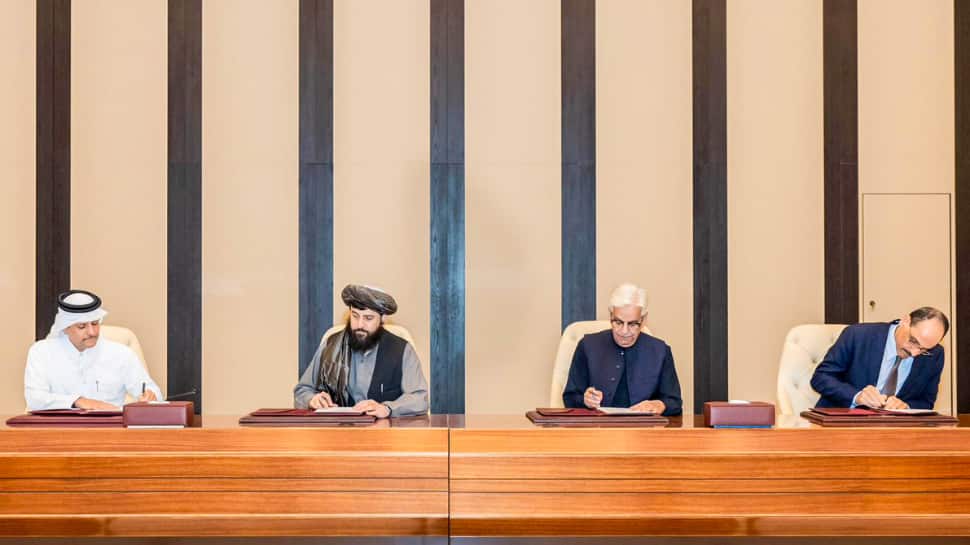
The Istanbul negotiations were a follow-up to earlier discussions in Doha, which had yielded a temporary ceasefire. These efforts were undertaken at the behest of international mediators, including Qatar and Turkey, aiming to provide a pathway to stability. However, with the current impasse, and reports indicating mutual blame for the breakdown, the prospects for lasting peace remain bleak.