
A clandestine “rate card” allegedly revealing the price of a Pakistani soldier’s life has plunged the nation’s military into a significant scandal, undermining its credibility. This unofficial document, purportedly shared within army corridors and leaked to the press, suggests a disturbing pay scale where soldiers’ willingness to fight is directly correlated with financial incentives.
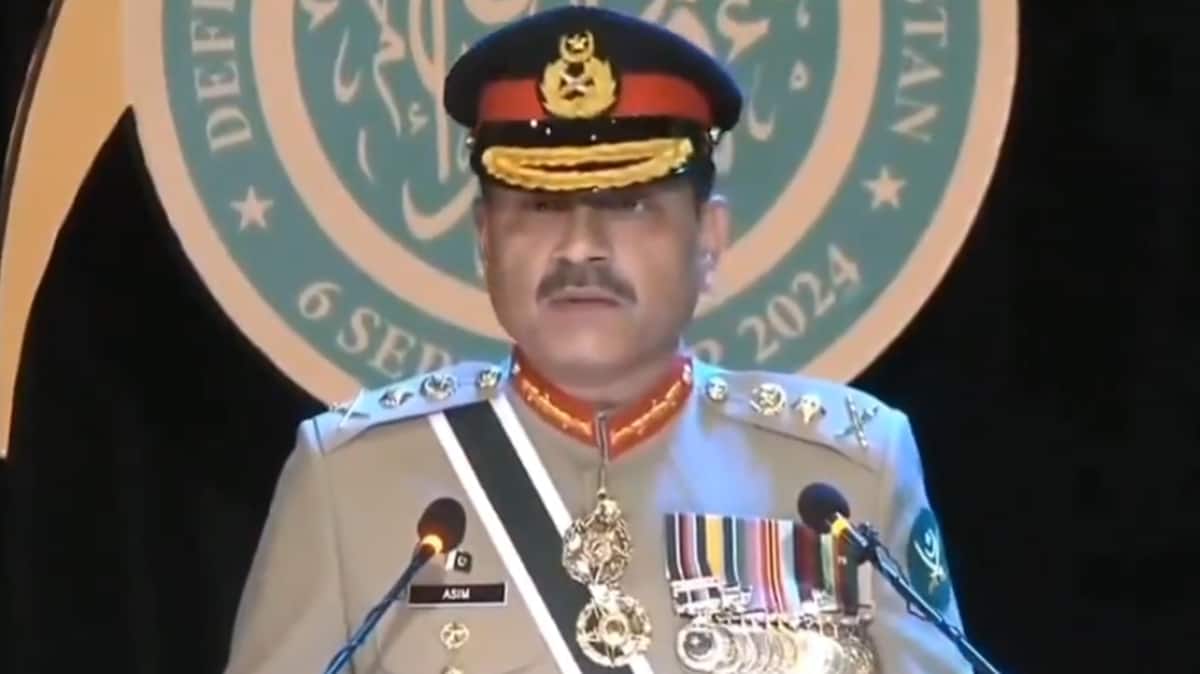
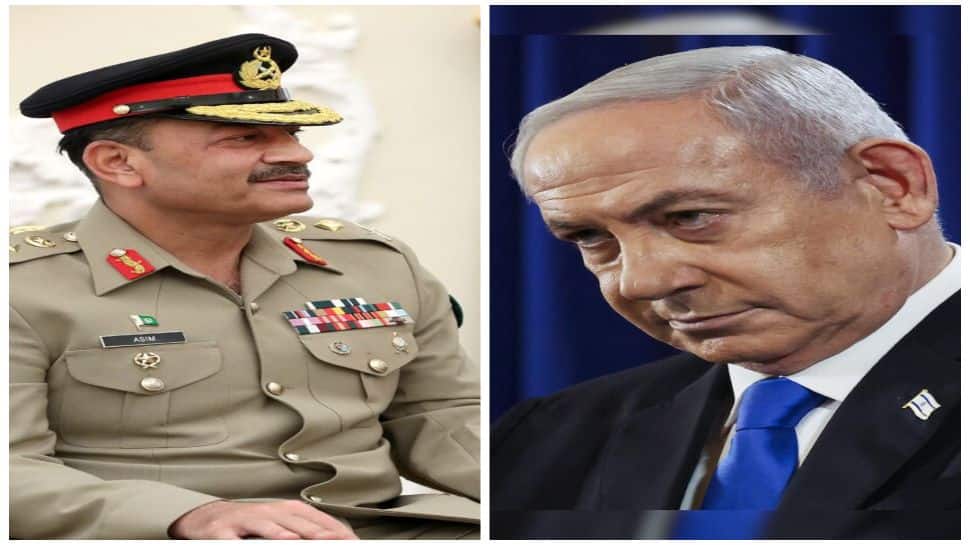
At the heart of the controversy is Army Chief General Asim Munir’s ambitious proposal to send approximately 20,000 troops to Gaza. The mission was designed for disarmament and stabilization, focusing on neutralizing Hamas fighters and securing weapons, rather than direct confrontation with Israeli forces. The aim was to elevate Pakistan’s global military profile. However, the plan encountered considerable internal pushback, with numerous soldiers reportedly refusing deployment citing ethical concerns and a lack of personal connection to the conflict.
General Munir attempted to overcome soldier reluctance and boost morale by offering a significant financial incentive of $10,000 per soldier. This initiative was reportedly met with a severe diplomatic rebuff. Through intermediaries, Israeli Prime Minister Benjamin Netanyahu conveyed that the maximum payment for a Pakistani soldier would be a mere $100. This offer was reportedly the lowest extended to any Muslim nation considered for the mission, representing a stark humiliation for the Pakistan Army, which has already faced criticism for alleged corruption and operational shortcomings.
The $100 per soldier offer presented General Munir with a critical juncture. Accepting such terms would invite domestic political fallout and compromise his promises, while rejecting them meant abandoning a high-profile international role. Israel’s stance is seen as a strategic calculation, potentially influenced by historical military events like the 1971 war. The Pakistan Army’s ongoing battles with domestic militant groups, which have resulted in substantial casualties, also contribute to this perception.
Many observers believe Israel’s offer was a frank assessment of the Pakistan Army’s capabilities, rather than solely a financial negotiation. The grand plan for international prestige has backfired, resulting in a diplomatic disaster. The “rate card” scandal has become a potent symbol of a military perceived to have lost its standing and honor. While official responses are guarded, emphasizing classified operations and personnel welfare, the incident has laid bare internal divisions and sparked a national conversation about the true value and integrity of Pakistan’s armed forces.