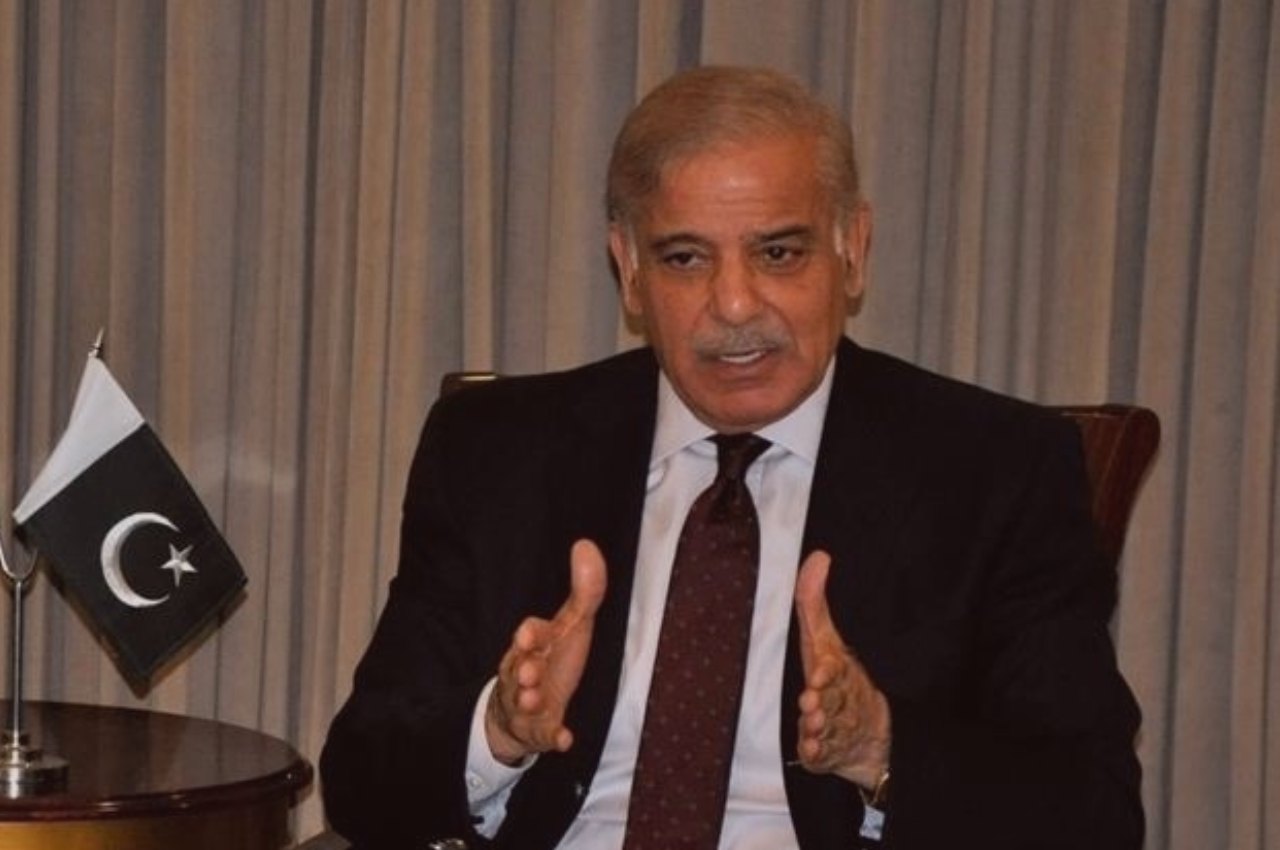

In a recent address, Pakistan’s Prime Minister Shahbaz Sharif asserted that any attempt by India to disrupt water flow to Pakistan would be viewed as a severe breach of the Indus Waters Treaty, necessitating a strong response. Speaking in Islamabad, Sharif firmly stated that Pakistan would not permit India to deprive it of its water resources. He further underscored the significance of water as a fundamental necessity for Pakistan, emphasizing that the nation would not compromise its rights under the treaty. The Indus Waters Treaty, signed in 1960 with World Bank assistance, is an agreement that allocates the Indus, Jhelum, and Chenab rivers to Pakistan and the Ravi, Beas, and Sutlej rivers to India. In the wake of the tragic Pahalgam terrorist attack, India has decided to put the treaty on hold until Pakistan unequivocally renounces support for cross-border terrorism. The treaty allows India to use 20 percent of the water from the Indus River System, while Pakistan has access to the remaining 80 percent. The historical context of the treaty includes periods of tension between the two nations, yet it has been a crucial framework for irrigation and hydropower development for over half a century. The treaty has also been criticized for its generosity towards Pakistan, especially when Pakistan has been accused of aiding terrorist activities.