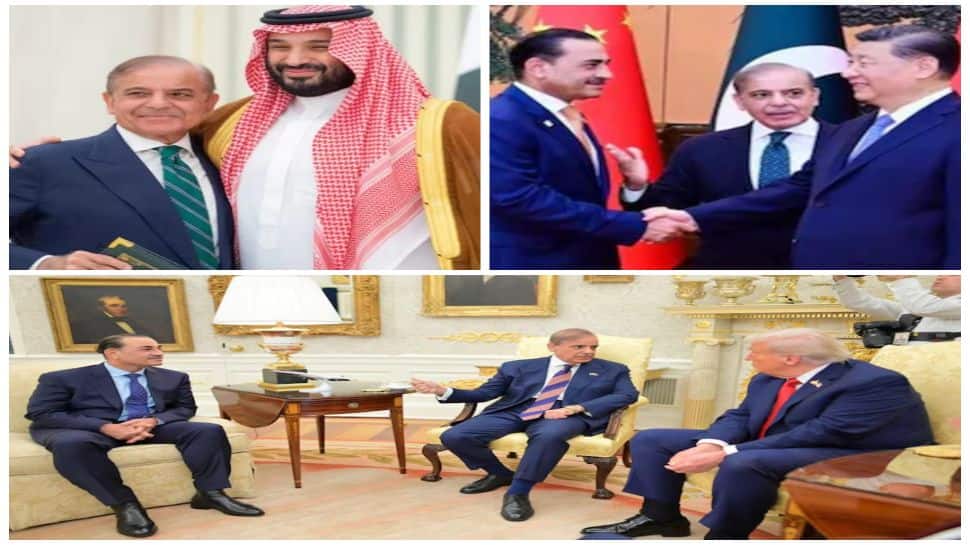

Pakistan’s foreign policy establishment has demonstrated remarkable agility in managing relationships with both the United States and China, two of the world’s leading powers. This sophisticated diplomatic strategy, orchestrated by both civilian leadership and the military, has drawn considerable attention. The nation has recently secured substantial new investments from China while simultaneously offering the US an opportunity to develop a key port facility in Balochistan. Adding to this complex web of alliances, Saudi Arabia has deepened its strategic ties with Pakistan through a new defense pact.
Analysts point to Pakistan’s unconventional approach to diplomacy as a key factor in its success. The country has artfully positioned itself to benefit from engagement with both superpowers, ensuring economic ties with the US without undermining its partnership with China, and vice versa. This strategic balancing act allows Pakistan to maximize its influence in an increasingly multipolar global arena.
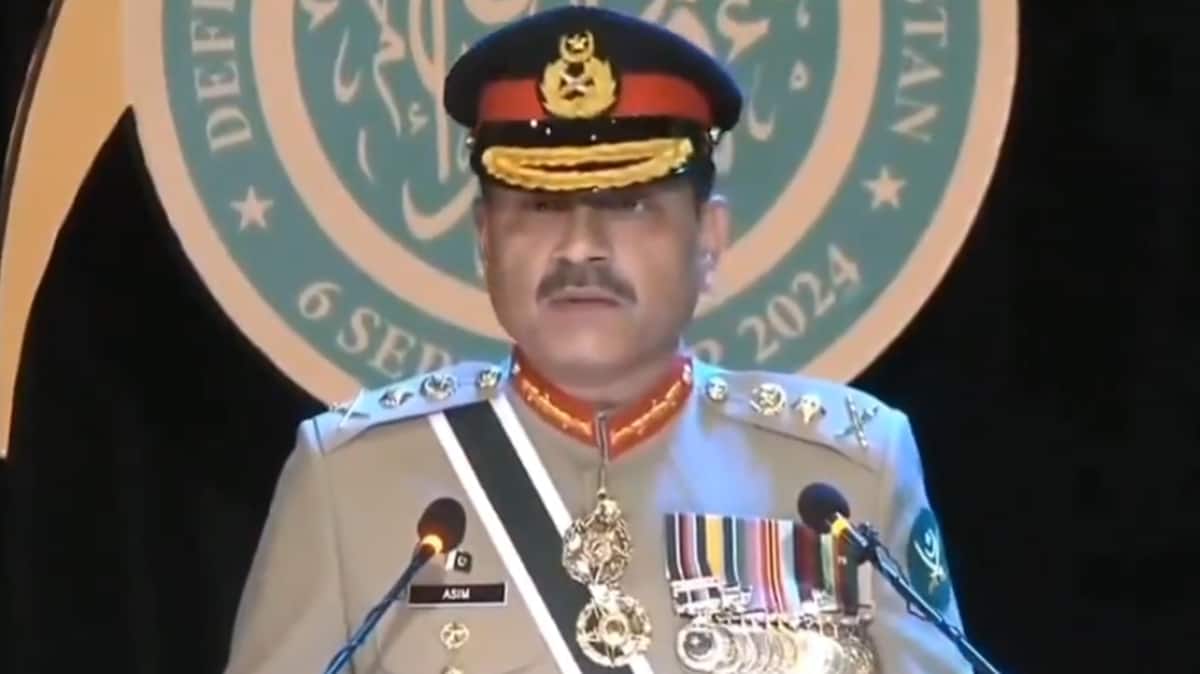
Prime Minister Shehbaz Sharif’s recent visit to Beijing yielded significant results, with China pledging $8.5 billion in new investments. This success highlights Pakistan’s skill in fostering Chinese partnerships while continuing to engage with the United States. Importantly, the strengthening of Pakistan’s relationship with Saudi Arabia has not created friction with Washington. Indeed, high-level interactions, including multiple meetings between President Donald Trump and Pakistan’s military chief General Asim Munir, underscore the nuanced nature of these relationships.
General Asim Munir holds considerable influence within Pakistan’s power structure, with the civilian government often operating under military guidance. This arrangement, termed a ‘hybrid government,’ allows Islamabad to pursue a consistent strategy of appeasing major global powers, including China and Saudi Arabia.
As part of this strategic outreach, Pakistan has proposed the development of a new port near Pasni in Balochistan, a region of immense strategic importance. This potential US-backed facility, located relatively close to the Chinese-operated Gwadar port, could offer access to Pakistan’s vast mineral resources and create a complementary economic corridor, diversifying strategic access beyond China’s primary routes.
Financial investments are a cornerstone of Pakistan’s strategy for growth and stability. Multi-million dollar deals are being finalized for resource development, including a significant agreement for mineral extraction in Balochistan. Major international financial institutions are also channeling funds into developing the region’s substantial copper and gold reserves.
However, the execution of these ambitious projects faces considerable hurdles, particularly in Balochistan, a region with a history of autonomy and resistance to central authority. Local opposition to foreign-backed development projects, from both China and the US, poses a significant challenge, exacerbated by ongoing security concerns and the designation of certain groups as terrorist entities.
Pakistan’s drive for economic expansion and strategic partnerships places its sovereignty under scrutiny. The nation relies on international financial institutions, maintains nuclear cooperation with Saudi Arabia, secures infrastructure financing from China, and grants mineral access to the United States. This intricate web of dependencies necessitates a careful balancing act.
Prime Minister Sharif and General Munir are recognized for their strategic acumen in leveraging national resources to manage international investment and influence while mitigating domestic risks. This complex diplomatic approach reflects Pakistan’s determination to navigate the challenges of a multipolar world and secure its future through economic development and strategic security.