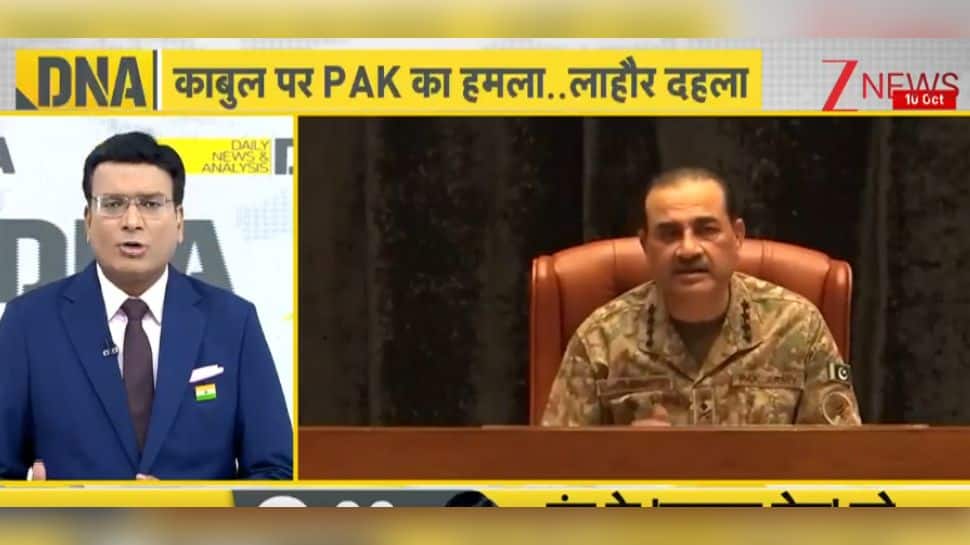

In a move that threatens to unravel regional stability, Pakistan’s military, under the command of Army Chief General Asim Munir, launched aerial assaults near Kabul last night. The Pakistani government stated the objective was to neutralize Tehrik-e-Taliban Pakistan (TTP) commander Noor Wali Mehsud, allegedly behind a recent fatal ambush of Pakistani security personnel. However, the narrative was quickly complicated by a TTP audio statement, purportedly from Mehsud, claiming he is alive, thus undermining the operation’s credibility. This airstrike is increasingly being viewed as a major miscalculation, putting Pakistan’s counter-terror strategy under severe examination. Afghanistan’s Taliban authorities have vehemently condemned the Pakistani action as a clear violation of their territorial integrity and have warned of retaliation, asserting that Pakistan will be held accountable for any civilian casualties incurred. The geopolitical ramifications are amplified by the ongoing visit of Afghan Foreign Minister Amir Khan Muttaqi to India, where he held talks with Indian External Affairs Minister S. Jaishankar. India has reiterated its focus on Afghanistan’s sovereignty and security, underscoring its intention to fully reopen its embassy in Kabul. Domestically, Pakistan is facing significant challenges, with internet services suspended in Islamabad and Rawalpindi due to large-scale demonstrations by the radical TLP group, whose march towards the US Embassy over the Gaza situation led to confrontations with security forces. The recent military offensive represents a significant strategic error.