

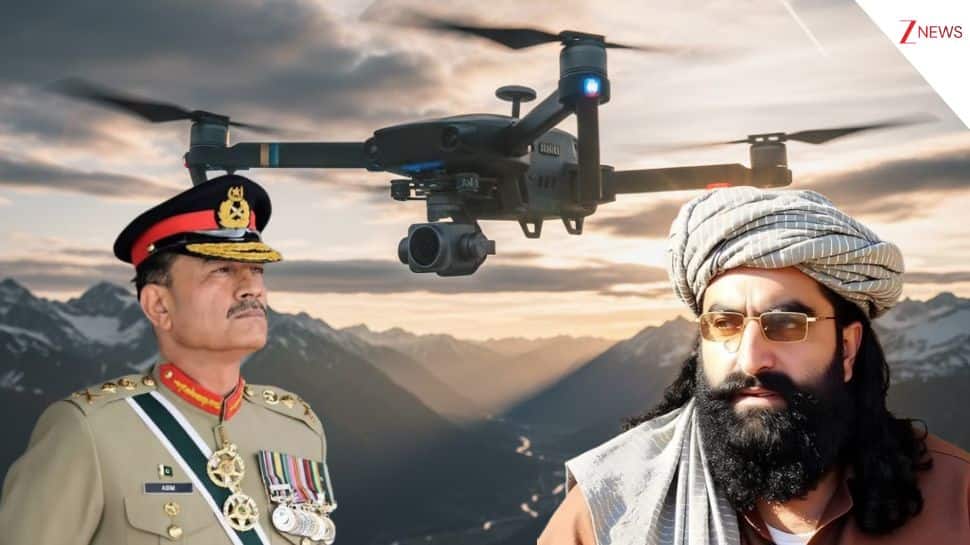
The security landscape in Pakistan faces a critical new challenge with the Tehrik-e-Taliban Pakistan (TTP) reportedly in the process of establishing its own air force. This ambitious project, aiming for completion by the end of 2026, represents a dramatic upgrade to the group’s offensive capabilities.
Recent internal restructuring by the TTP has led to the appointment of new zone commanders, with Ehsanullah EP taking the helm of the Southern Military Zone and Hilal Ghazi becoming Deputy Head of the Central Military Zone. The most startling announcement, however, is the formation of a dedicated air force unit under the command of Saleem Haqqani, signaling a new era of aerial terrorism.
The TTP’s air force is anticipated to leverage its existing expertise in quadcopter drone technology, with plans for significant enhancements. The group has already demonstrated this capability extensively, executing over 54 drone strikes this year in Khyber Pakhtunkhwa. These attacks, often using commercially available quadcopters equipped with explosives, have tragically impacted civilians and security forces.
The implications of a non-state actor developing an air force are profound. International norms strictly reserve air operations for national governments. The TTP’s determined pursuit of aerial power suggests potential access to sophisticated drone technology through clandestine means, raising concerns about global arms proliferation.
Compounding these worries are reports detailing the Pakistani military’s engagement in manufacturing civilian products such as biscuits and cornflakes. This perceived diversion of resources and attention stands in stark contrast to the escalating threat posed by the TTP’s burgeoning aerial capabilities, leaving many questioning the nation’s readiness to counter this evolving menace.