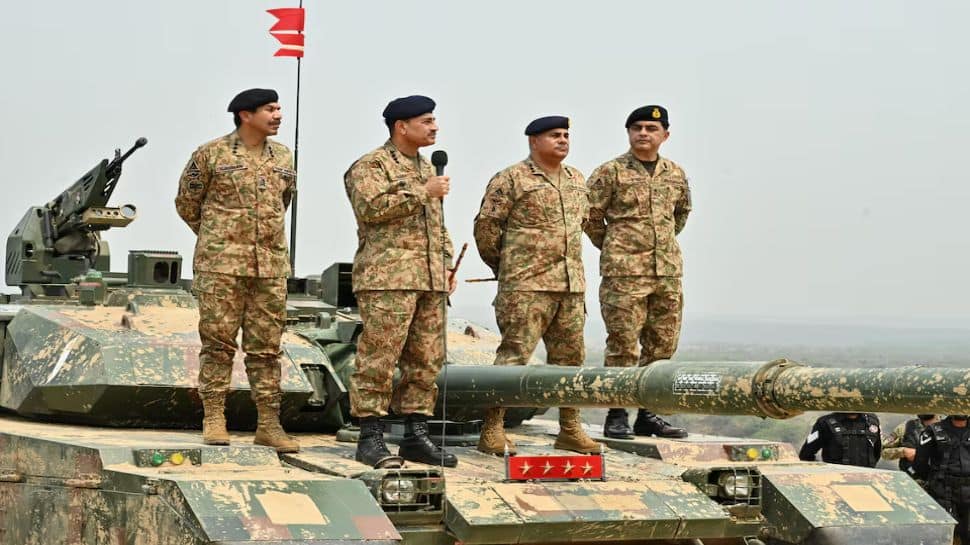

Pakistan’s strategic landscape is currently defined by a puzzling absence of clarity regarding its top military leadership. The deadline for appointing the nation’s first Chief of Defence Forces (CDF) has elapsed without official word, leaving Field Marshal Asim Munir’s exact position uncertain. This leadership ambiguity is a major cause for concern, with experts fearing that Munir could deliberately escalate tensions with India to bolster his standing. The potential for a deliberately provoked incident, even while his official status is in question, is a significant risk. The lack of clear command and accountability within the Pakistani military adds another layer of danger to this already precarious situation. Observers point to the civilian government’s perceived weakness as the primary reason for the stalled appointment process. It is believed that the military exerted considerable pressure to create the CDF position, which amalgamates the roles of Army Chief and overall defence force commander. A more robust civilian authority might have prevented such an extension of military power. Munir has already served a considerable portion of his initial term, and projections suggest he could remain in command for an extended period if current trends continue. While the Ministry of Defence has assured that the CDF appointment notification will be released soon, the delay is interpreted by many as a strategic maneuver. The constitutional amendment establishing the CDF role, superseding the previous Chairman Joint Chiefs of Staff Committee, was a significant institutional change. The failure to adhere to the expected timeline for its implementation, coinciding with the end of Munir’s term, has intensified regional security worries.