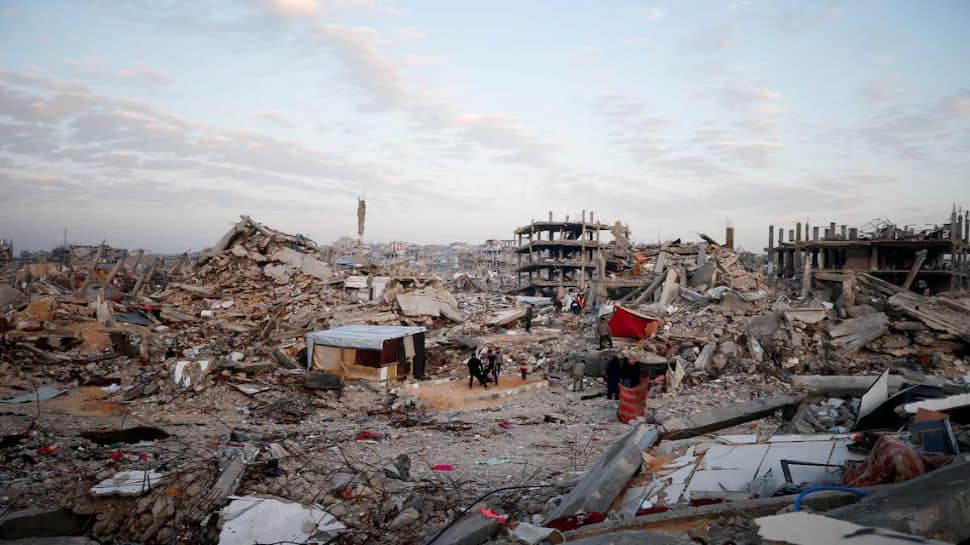

The monumental task of rebuilding Gaza has ignited a bitter feud among key Arab states, primarily between Qatar and the Saudi-led coalition (Saudi Arabia and the UAE). This conflict over Gaza’s post-war future reveals deep-seated rivalries and divergent visions for the Middle East.
Saudi Arabia and the UAE are not just looking at humanitarian needs; they are assessing the geopolitical landscape. Their stance is unequivocal: reconstruction aid is contingent on Hamas laying down arms and a recognized government taking charge. Until then, they maintain that not a single dollar will be committed to rebuilding the devastated enclave.
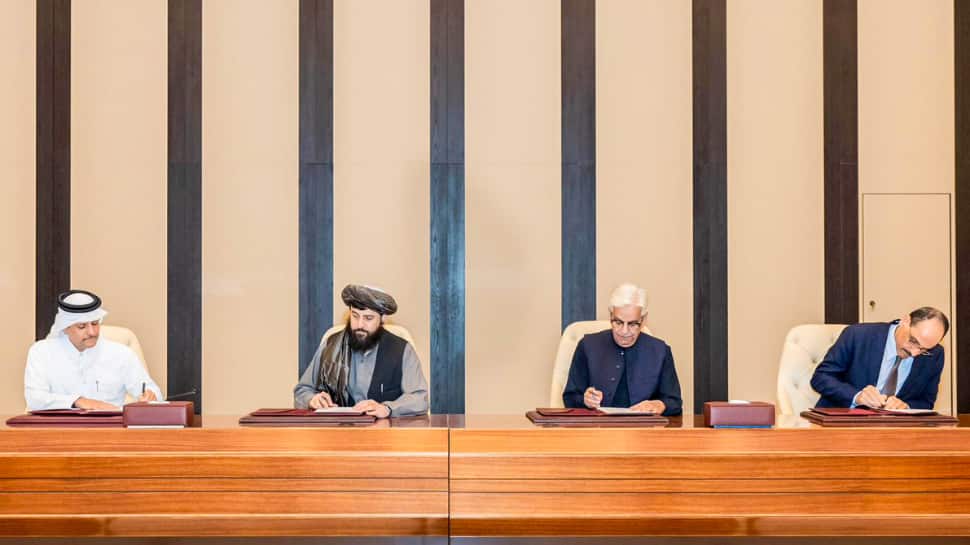
Qatar, however, has adopted a different trajectory, positioning itself as Gaza’s primary benefactor. Having provided sustenance, shelter, and advocacy for Gazans when international focus shifted, Doha is now urging for immediate reconstruction. Qatari officials argue that continued delays will only escalate human suffering and sow further instability across the region. Their long-standing engagement with Hamas and commitment to maintaining a positive relationship with the US underpin this policy.
For Saudi Arabia and the UAE, the risks of investing substantial funds in a perpetually unstable region are a major concern. Public opinion in both nations also weighs heavily, with a prevailing view that Hamas is an extremist group responsible for regional unrest. This sentiment reinforces their cautious approach to Gaza’s reconstruction.
Riyadh has clearly communicated that reconstruction funds will be released only when control of Gaza transitions to the Palestinian Authority or another legitimate international entity. The UAE, actively engaged in humanitarian operations, has signaled openness to joining a multinational security force contingent on Hamas’s disarmament. Abu Dhabi also seeks significant reforms within the Palestinian Authority, desiring greater oversight of its operations.
Qatar’s established role as a mediator and host to Hamas leaders complicates the situation. Doha is concerned about diminishing its diplomatic influence and strongly advocates for immediate rebuilding to prevent a descent into further chaos. This position has garnered favor in Washington, where Qatar is viewed as a valuable mediator. Even Israel has not entirely discounted Doha’s potential involvement.
However, Riyadh and Abu Dhabi view Qatar’s strategy as counterproductive, believing it would strengthen Hamas. This divergence was highlighted when Saudi and Emirati representatives were absent from a recent summit in Sharm el-Sheikh. Gaza’s reconstruction is no longer a symbol of Arab unity but a stark illustration of its disunity, leaving its people in limbo as regional powers engage in a contest for influence.